


 EN
 ไทย


Customers Also Purchased
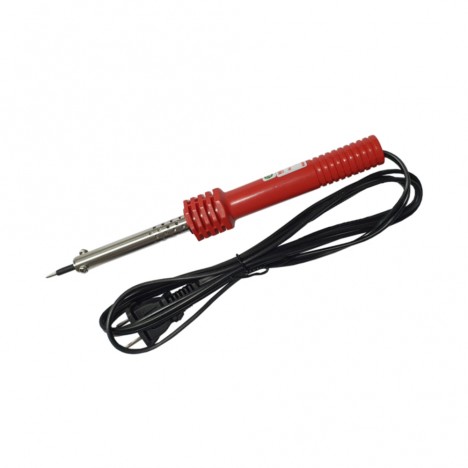
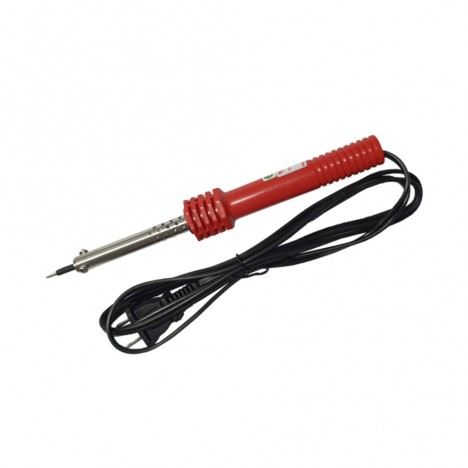
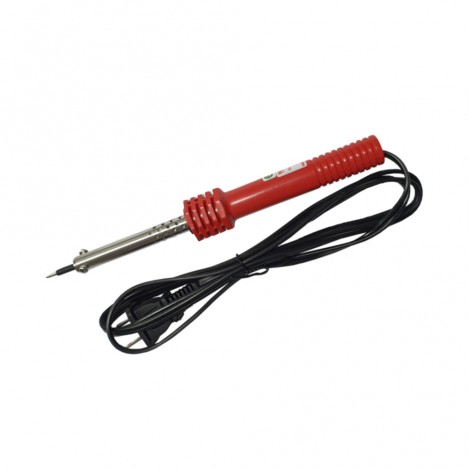
In this article, we will get to know what a soldering iron is, why it is an indispensable tool in many applications, and what it can be used for.
What is a soldering iron?
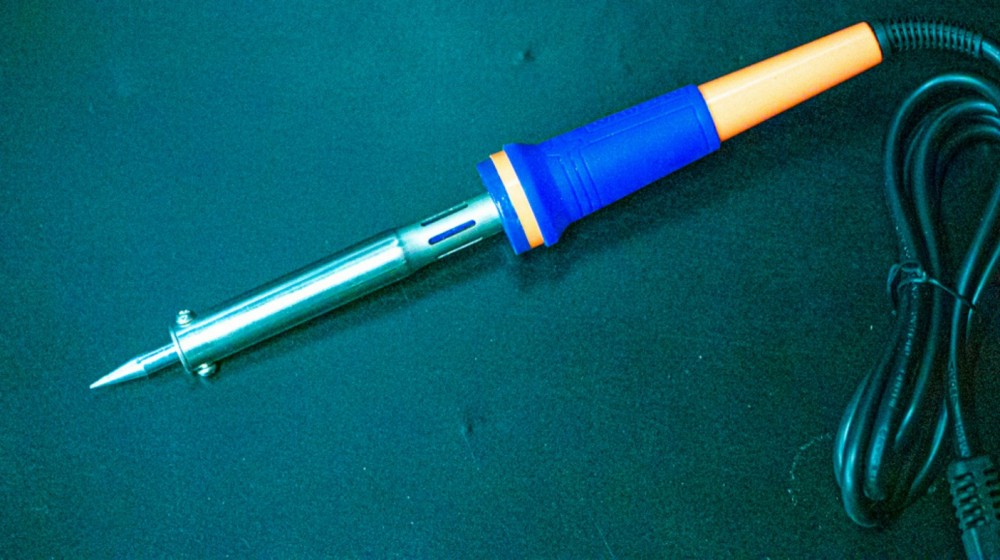
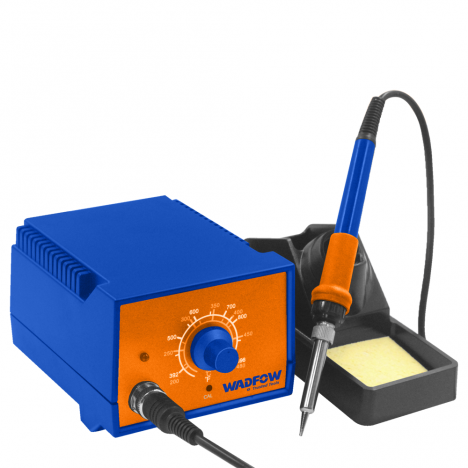
A soldering iron is a tool used to join materials by applying heat to melt solder, creating both electrical and mechanical connections between various parts. The soldering iron serves to supply the heat that melts the solder, allowing it to flow into connection points such as wires or circuit boards so that parts are joined securely and effectively. The heat used is around 200 - 450 degrees Celsius, which is sufficient to melt the solder without damaging the component parts.
Although called solder, it is actually a low-melting-point alloy such as tin or silver, available in both leaded and lead-free varieties. Solder or soldering alloy joins workpieces by wetting the material surface so that the materials bond together; it does not melt the workpieces themselves, thus avoiding deformation or melting of the parts. Soldering irons come in various models and sizes depending on the type of work and application, with some models offering adjustable temperature to work efficiently with different materials.
Main Components of a Soldering Iron
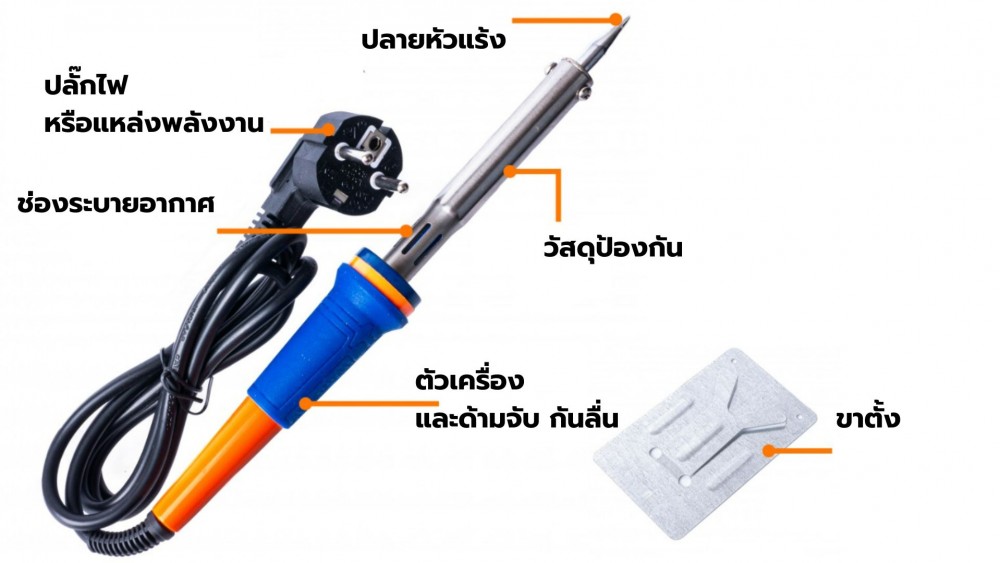
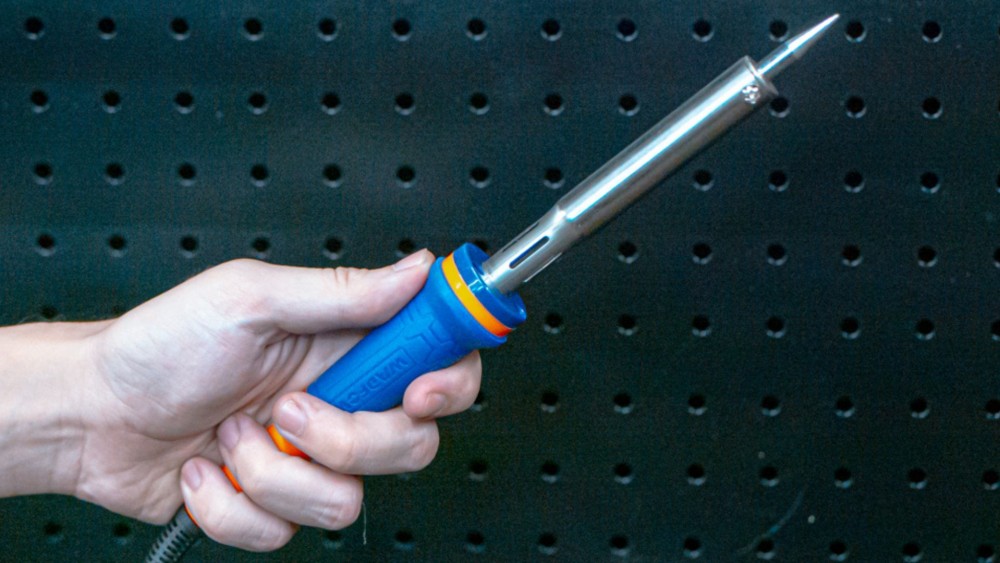
- Body/Case: Made of heat-resistant materials and often designed for an ergonomic grip. Some models may feature temperature control buttons on the body.
- Handle: Allows the user to hold the soldering iron securely and safely. Usually made of heat-resistant plastic or rubber to protect the user's hand from the heat transferred from the heating element.
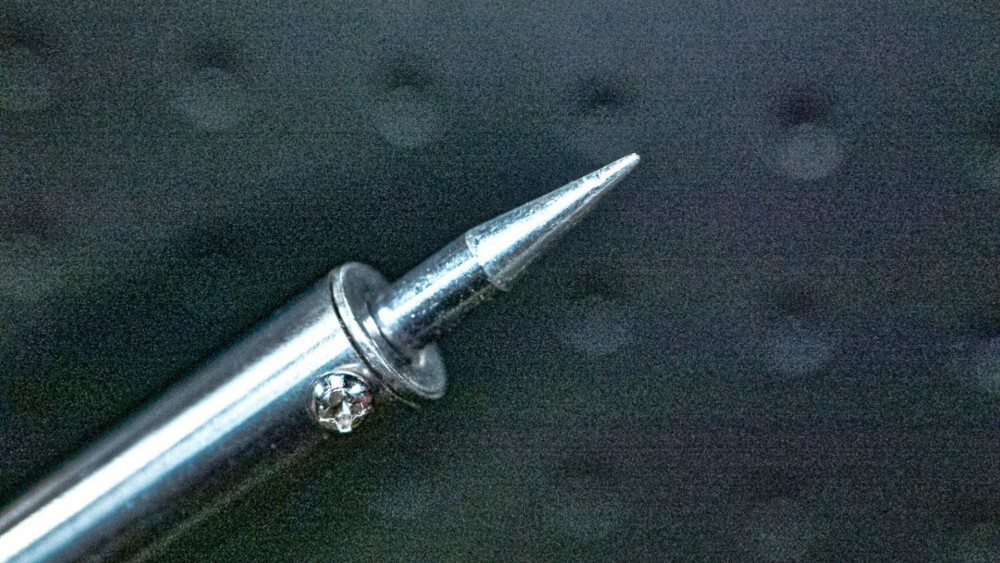
- Soldering Tip: The part that comes into contact with the material being soldered. Soldering tips come in various shapes—such as pointed, chisel/flat, or curved—depending on the type of work.
- Stand/Holder: Used to rest the soldering iron when not in use to reduce heat hazards and prevent accidents.
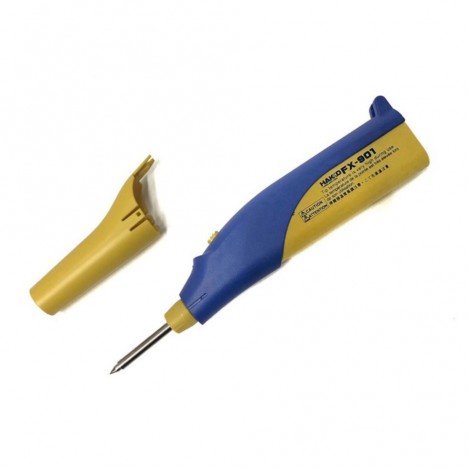
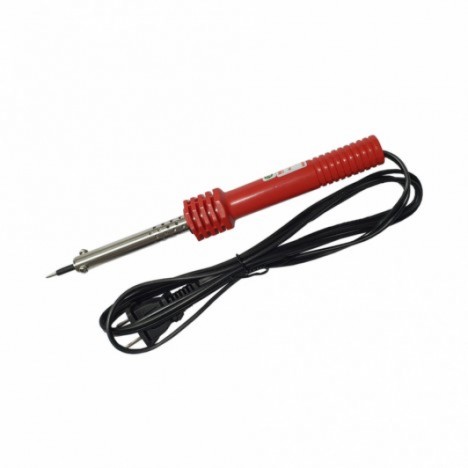
- Power Cord or Power Source: Supplies heat energy to the soldering iron. Electric soldering irons have a power cord connected to an electrical outlet, while gas soldering irons, which use gas to generate heat, feature a built-in small gas reservoir.
What is a Soldering Iron Used For?
A soldering iron is a highly versatile tool with a much wider range of applications than many people realize. To highlight its importance and flexibility, let's explore what a soldering iron is used for and the types of work it can do.
1. Electronics Soldering
Soldering in electronics is the most common application. A soldering iron is used to melt metal to join electrical circuit components or electronic devices, such as soldering wires to circuit boards and mounting components like resistors, capacitors, diodes, and more. This soldering ensures that circuits function as designed.
2. Repair Work
When repairing equipment with damaged circuit boards or broken wires, a soldering iron easily reconnects the disconnected points. Examples include fixing severed wires and repairing circuit boards in various appliances such as televisions, computers, or gaming consoles.
3. DIY and Craft Projects
Soldering irons are commonly used in DIY crafts, such as connecting wires in DIY lamps or building household electrical devices like wiring light bulbs. They are also used in electronic crafting projects, such as building DIY robots or custom-assembled computers.
4. Jewelry Making
Soldering is used in jewelry making to join various metal parts, such as necklace links, or soldering genuine gold in fine jewelry to ensure pieces are securely bonded.
5. Industrial Applications
Soldering irons are also used across various industries, such as automotive wiring connections, assembling large electrical appliances, and even joining metal components in various manufacturing sectors.
Why Use a Soldering Iron?
A soldering iron is essential in many fields for the following reasons:
- Soldering with a soldering iron is a quick way to join parts or perform repairs.
- Using solder provides a strong and stable connection between parts.
- Soldering irons are compact and designed to allow precise control over the soldering point.
- Soldering irons are typically small and lightweight, making them easy to carry and use.
Precautions when using a soldering iron
- Soldering irons reach high temperatures; handle with care to avoid injuries.
- Flux, which is coated on many types of solder wire, may contain hazardous chemicals; always use in a well-ventilated area.
- Avoid using in damp conditions and keep the tool away from children.
Conclusion
Soldering iron It is an essential and versatile tool used for everything from electronic circuits and appliance repairs to DIY projects and various industrial applications. Choosing the right soldering iron for the job will help you work efficiently and safely. Be sure to understand how to select the right tool and follow safety precautions to ensure successful results every time you use a soldering iron.