


 EN
 ไทย


Customers Also Purchased



Why Choose an Aluminum Ladder?
Before diving into the problems, let's look at why aluminum ladders have become a popular choice for various types of work:
Lightweight: Easy to move around without much effort
Rust-resistant: Usable in both damp and dry conditions
Versatile designs: Available in folding, extension/leaning, and multipurpose ladders
Affordable price: Great value for long-term use
With these features, aluminum ladders are well-suited for both household tasks and professional trade work. However, their use does come with minor issues you should watch out for.
5 Common Problems and How to Fix Them
1. Slippery surfaces causing ladder instability
Scenario: Placing the ladder on tiled, slippery, or uneven floors, causing the ladder to shift and become unstable.
Solution:
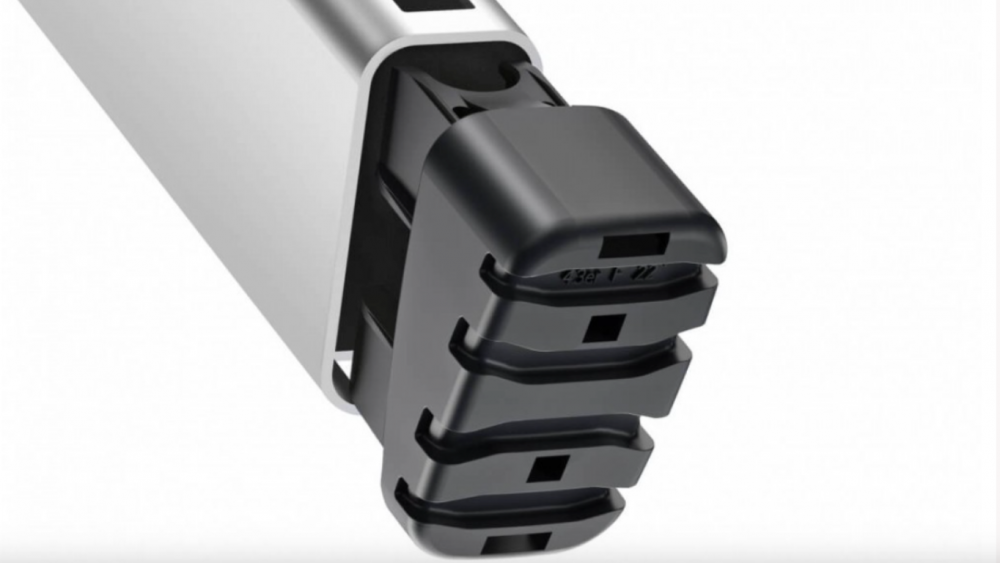
- Use anti-slip rubber pads on the ladder legs, or purchase a ladder equipped with anti-slip rubber feet.
- If the surface is uneven, support it with non-slip material.
- Always check the ladder placement before climbing to ensure the ground surface is flat and stable.
2. Feeling wobbly when climbing up or down the ladder
Scenario: While climbing the ladder, you may feel it wobble or become unstable, especially when used on uneven surfaces.
Solution:
- Check that the ladder legs are fully extended and positioned stably.
- If the surface is uneven, use leveling pads or find a flat area.
- Check the joints or hinges for any loose points.
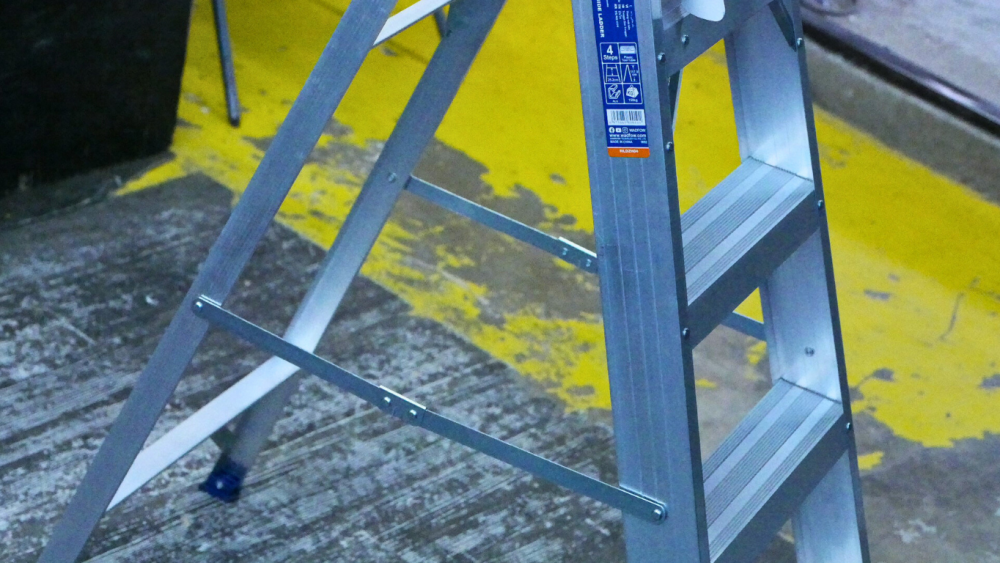
3. Squeaking noise while climbing the ladder
Scenario: Every time you climb up or down the ladder, an annoying squeaking sound is heard; it may stem from dry or degraded joints.
Solution:
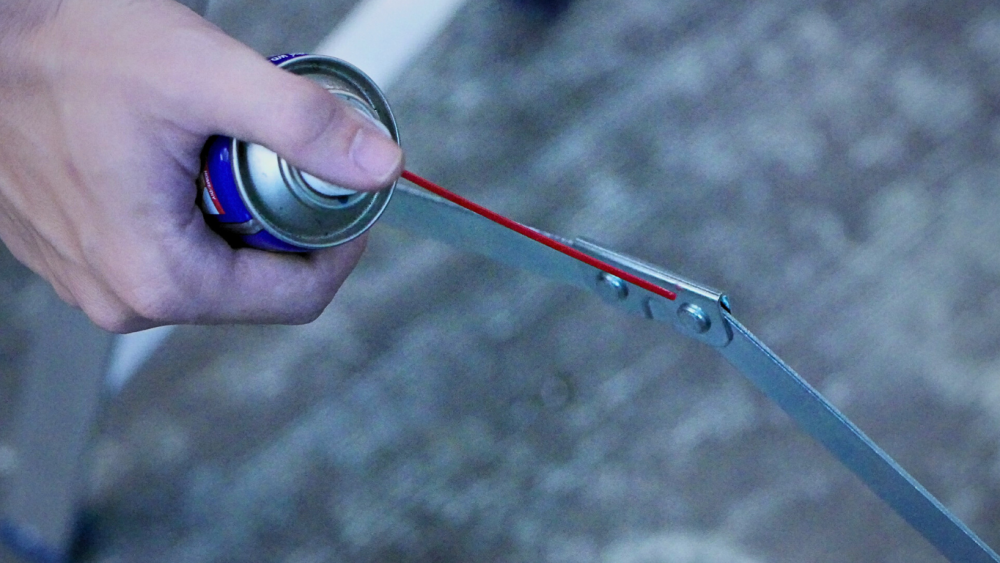
- Apply a lubricant (such as WD-40) to joints or hinges to help reduce friction that causes noise.
- Check if nuts and screws are tightened sufficiently.
- Store the ladder in a clean, dry place to reduce wear and tear.
4. Slipping while climbing up or down the ladder
Scenario: Smooth, slippery ladder rungs or improper shoe soles, increasing the risk of accidents.
Solution:
- Apply anti-slip tape on ladder rungs to increase traction.
- Wear shoes with non-slip rubber soles while using the ladder.
- Avoid climbing the ladder when the soles of your shoes are wet.
5. Problem: Ladder damaged or deformed from improper use
Scenario: Exceeding the weight capacity or placing the ladder on unsuitable ground may cause the ladder to bend or become damaged.
Solution:
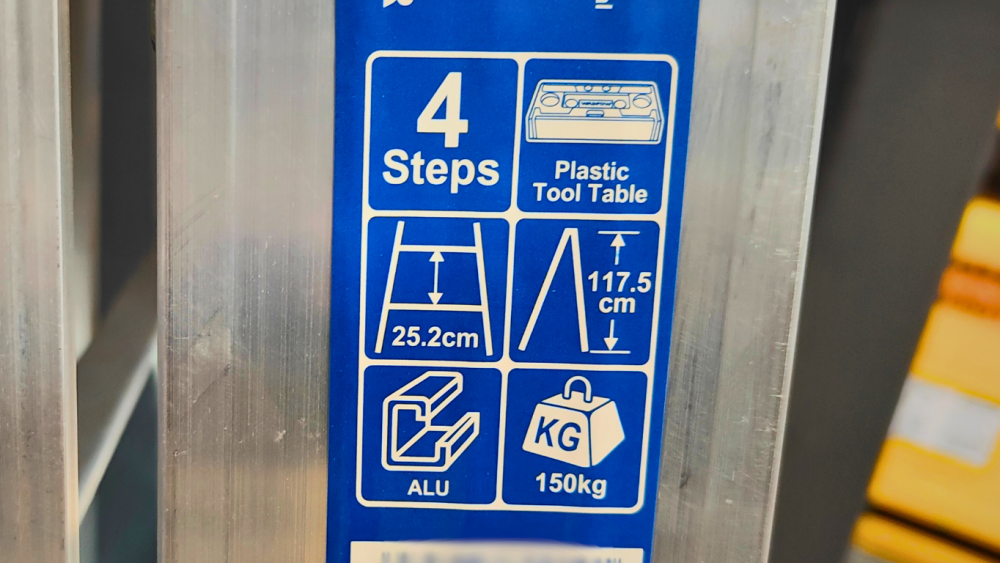
- Check the maximum weight capacity, which is usually indicated on the ladder.
- Avoid uses that require carrying heavy equipment on the ladder.
- If the ladder is damaged or deformed, stop using it immediately and consider replacing it for safety.
Additional Precautions for Beginners
- Do not use ladders near electrical sources, especially ladders with metal structures.
- Avoid using ladders in windy areas, such as outdoors without any support.
- Always check the ladder's condition before use to see if there are any cracks or damaged spots.
Long-Term Ladder Maintenance
- Clean the ladder after use, especially when there are oil stains or dirt.
- Store the ladder in a shaded and dry place to prevent moisture or corrosion.
- Periodically apply lubricating oil to joints and hinges to prevent wear and tear.
Conclusion
Even though a Aluminum Ladders Although it is an easy-to-use tool, for beginners, preparation and knowing how to troubleshoot potential issues will help you work more safely and confidently.
Don't forget! Caring for your ladder and using it properly not only extends its service life, but also helps prevent unexpected accidents.
What kind of problems have you encountered? Share your experiences and tips with us!