


 EN
 ไทย


Customers Also Purchased


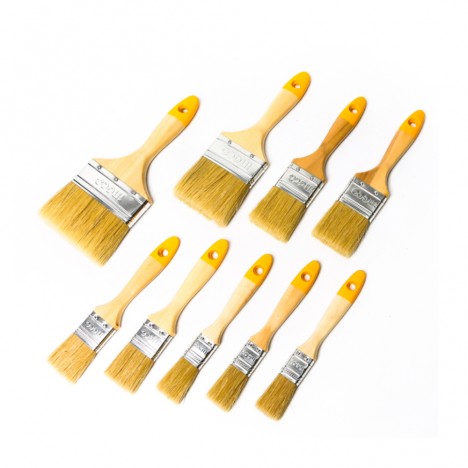

Has this ever happened to you? After finishing a painting project, your trusty paintbrush that used to handle so smoothly turns into a clump of stiff bristles because you forgot to clean it immediately after use. When you go to use it again, the bristles are so hard it's practically unusable, making you think you have to throw Paint Brush it away… But wait! There's no need to spend money on a replacement, because that seemingly ruined brush can easily be brought back to life like new. This article will show you techniques to revive stiff brushes back to softness, helping you save both time and money, along with tips on how to care for your paintbrushes so they last for years to come.
1. Why does a brush become stiff? The root causes you need to know
Has it ever happened that you simply forgot to clean a paintbrush for just a single day, but when you needed it again, you found the once-soft brush completely stiff and unusable? A stiff paintbrush usually stems from these main causes:
- Dried paint on bristles: Paint left on bristles hardens into a tight clump once dry, causing the bristles to become stiff and clump together.
- Not cleaning the brush immediately: If you leave the brush sitting too long, the paint will dry further, making it much harder to wash out.
- Improper storage: Storing the paintbrush in an overly dry environment, or failing to wash all the paint out thoroughly.
The result is clumped, rigid bristles that may even lose their shape, rendering the brush incapable of applying paint smoothly and effectively.

2. Clean paintbrushes like a pro: easily tackle every type of paint
2.1 Water-Based Paint: Easy job, simple to clean
Water-based paint is the easiest to clean off, provided you wash it immediately after use.
Cleaning steps:
- Use clean water: Dip the brush into warm water and shake it gently.
- Use soap or dishwashing liquid: Rub it into the bristles to remove paint stains.
- Comb the bristles: Use a small comb to comb through the bristles and clean deeply lodged paint.
- Rinse again: Rinse with clean water again until you are sure all the paint is gone.
“A simple technique is to wash the brush in the same direction as the bristles to reduce deformation and ensure thorough cleaning.”
2.2 Oil-based Paint: Even stubborn paint can be removed
Oil-based paint requires specific solvents because the paint does not dissolve in water, such as thinner or turpentine.
Cleaning steps:
- Soak in thinner or turpentine: Pour the solvent into a container, soak the brush for 10 - 15 minutes, and gently swirl/shake the paintbrush to release the paint.
- Wipe with a cloth or tissue: Wipe away any remaining residue cleanly.
- Wash with soap/dishwashing liquid: To remove residual odors of thinner or turpentine.
- Rinse again with clean water until the bristles are soft and clean.
“Don't forget to wash paintbrushes in a well-ventilated area to avoid inhaling thinner fumes, and wear gloves to prevent skin irritation.”
2.3 Acrylic Paint: Dries quickly, but fixable
Acrylic paint dries quickly, making it adhere more firmly than watercolor/latex paint, so it must be washed immediately.
Cleaning steps:
- Soak in warm water mixed with vinegar: Soak the paintbrush in warm water mixed with vinegar for about 10 minutes.
- Scrub with a toothbrush: Use an old toothbrush to scrub away stubborn paint.
- Wash again with soapy water: Rub soap onto the bristles and rinse thoroughly with clean water once more until clean.
3. Revive stiff brushes back to softness! Easy tips that really work
3.1 Hot vinegar
Just 10 minutes in hot vinegar, and you will see hardened paint come off easily, and the bristles will start returning to their original softness like new.
- Heat vinegar until warm
- Soak the paintbrush in vinegar for 10–15 minutes
- Use a comb or your fingers to gently loosen the bristles and remove hardened paint
3.2 Olive Oil or Vegetable Oil
Olive oil found in the kitchen can also be a great helper. In addition to restoring bristle softness, it also helps lubricate the bristles for smoother use next time
- Apply oil generously onto the bristles
- Gently massage until the bristles begin to soften
- Wash with soap and clean water to remove oil residue
3.2 Specialized Paint Stripper / Brush Cleaner
For excessively stiff paintbrushes, specialized brush cleaner is a final option that solves the problem quickly with immediate results
- Soak the paintbrush in paint cleaner for 10–15 minutes or as indicated on the label
- Wipe off paint residue with a cloth
- Rinse again with clean water and soap

4. Tips to Store and Maintain Paintbrushes for Long-Lasting Use
4.1 After Washing the Paintbrush
- Use your hands or paper to reshape the bristles back to their original form
- Hang the paintbrush with bristles pointing downward to dry completely. If there is no hook, try using a large binder clip on the handle and resting it on the rim of a glass or container to prevent the bristles from resting on the surface
4.2 Long-Term Storage
- Wrap bristles with plastic wrap to protect against dust
- Store in a dry, well-ventilated place
4.3 Taking a Break During Paintbrush Use
- Wrap the bristles with plastic wrap or aluminum foil.
- Store the brush in the freezer to prevent the paint from drying.

Paint Brush A stiff brush or stubborn paint isn't the end of the line for your brush! With the right method, you can easily restore a paintbrush to be soft as new! Just washing it immediately after use and storing it properly is the key to helping your brush last long and be worth every single satang.
Remember that washing the brush immediately after use and storing it properly are the keys to helping your brush last long, making it worth every baht you spent.
Give these tips a try, and you'll realize that having a clean and soft-as-new brush isn't difficult at all! Are you ready for your next project?