


 EN
 ไทย


Customers Also Purchased


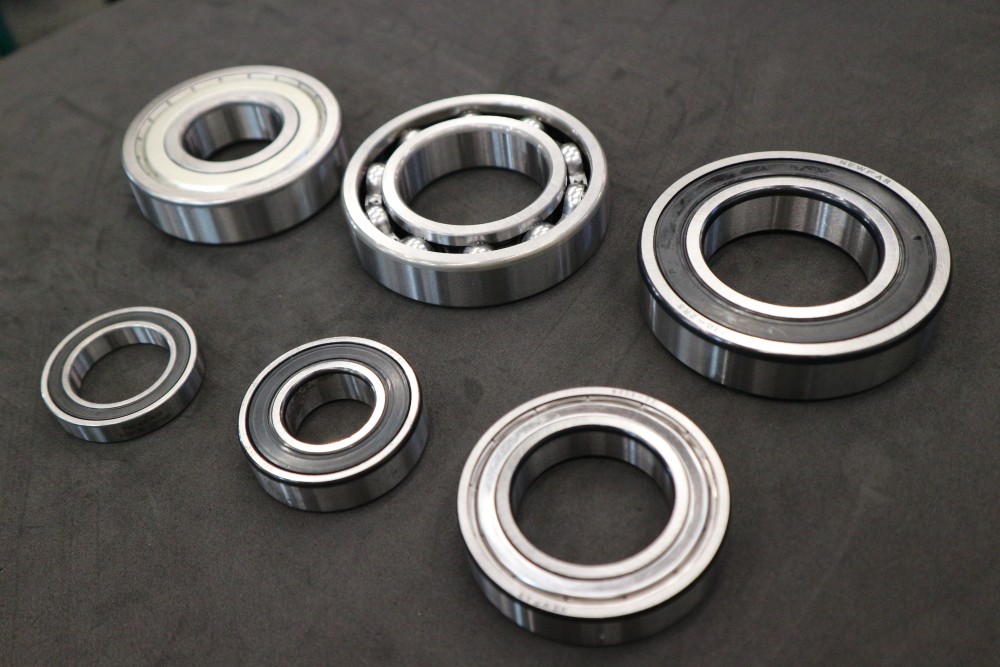
Have you ever wondered why machinery that hasn't been in service for long starts making abnormal noises? Or why equipment meant to last for years fails prematurely? One of the reasons might stem from Ball bearing a small part that cannot be overlooked! This article will explore the 5 most common mistakes in bearing usage, along with solutions to maximize performance and extend service life as long as possible.
 1. Incorrect Installation
1.1 The Problem
Improper bearing installation, such as applying excessive impact force or misalignment, can cause immediate bearing damage or prevent it from operating at full efficiency.
1.2 The Impact
- Bearings may suffer wear or deformation right from the start of operation, resulting in abnormal noise and machinery vibration.
- The overall system may not perform at full efficiency, and damage may occur to other components, such as shafts or gears.
- Shortened service life
1.3 How to Avoid
- Use specialized bearing installation tools, such as bearing pullers/installers, to avoid unnecessary impact forces.
- Check and ensure proper alignment of the shaft and housing before installation.
- Avoid using hammers or direct impacts that could deform the bearing rings.
1.4 Case Study: Issues from Improper Installation
In 2023, an automotive parts manufacturing plant reported an issue with abnormal noise on the production line. Upon inspection, it was found that newly installed bearings had not been properly aligned, causing shaft deflection and leading to bearing failure within just 2 weeks.
References
- ISO 15243: Rolling Bearings — Damage and Failures — Terms, Characteristics, and Causes
- SKF Bearing Installation Handbook
2. Inadequate or Improper Lubrication
2.1 The Problem
Using the wrong type of grease or lubricating oil, or inadequate lubrication, can lead to high temperatures and bearing wear.
2.2 Impact
- Material wear and tear
- Improper lubrication, such as using unsuitable oil, can result in an insufficient lubricating film strength, causing direct metal-to-metal friction.
2.3 How to Avoid
- Select lubricating oil or grease according to the bearing type and operating conditions, or follow the manufacturer's manual regarding factors such as rotational speed, temperature, and load.
- Inspect and relubricate regularly, but avoid overfilling as it can cause excessive resistance.
- Use automatic lubrication systems in applications requiring high precision.
2.4 Case Study: Inadequate Lubrication Issues
At a high-rise building construction site, a crane was rotating slower than normal. Engineers found that the lubricant used on the bearing was unsuitable for high temperatures. Once replaced with a high-temperature synthetic lubricant, the problem was resolved.
References
- ISO 281:2007: Rolling Bearings — Dynamic Load Ratings and Rating Life
- NSK Lubrication Guide
3. Operation under Unsuitable Conditions
3.1 The Problem
Operating bearings in environments with dust, moisture, or chemicals without proper protection can cause damage to the bearing contact surfaces.
3.2 Impact
- Bearings exposed to dust, moisture, or chemicals may suffer from corrosion and dirt accumulation, leading to wear and rough rotation. This may require halting machinery for repairs or bearing replacement, causing operational downtime.
3.3 How to Avoid
- Use bearings designed for specific environments, such as dust-resistant or stainless steel bearings.
- Install protective seals against dust, water, and chemicals around the bearing.
- Regularly clean equipment, machinery, and work areas.
3.4 Case Study: Issues from Operation under Unsuitable Conditions
A frozen food manufacturing company found that the bearings in their conveyor belts corroded rapidly due to moisture from ice and saline steam. After switching to special stainless steel bearings and installing protective seals, the bearing lifespan increased more than 3 times.
References
- ISO 683-17: Heat-Treated Steels, Alloy Steels, and Free-Cutting Steels — Part 17: Ball and Roller Bearing Steels
4. Overloading
4.1 Problem
Using bearings in applications with loads or rotational speeds exceeding their design specifications can cause damage.
4.2 Consequences
- Excessive load causes premature bearing failure, such as cracked or deformed balls or rings.
- Increased heat generated from friction may cause grease or oil film to degrade more rapidly.
4.3 How to Avoid
- Select bearings with load capacities suitable for the application.
- Check actual operating rotational speed and load against the bearing's rated specifications.
- Consider using roller bearings or special bearings for heavy-load applications.
4.4 Case Example of Overloading Issues
A metal recycling plant used a small shredder for heavy scrap metal, resulting in frequent bearing breakage. After switching to roller bearings, this problem was resolved.
References
- ISO 76: Static Load Ratings for Rolling Bearings
- Timken Bearing Selection Guide
5. Neglecting Maintenance
5.1 Problem
Failing to inspect bearing conditions or perform maintenance on schedule can lead to unforeseen damage.
5.2 Consequences
- Bearings that are not regularly inspected can develop issues without being noticed, such as abnormal noise, seized rotation, or oil leakage.
- Minor issues can escalate into major problems requiring a complete system overhaul.
5.3 How to Avoid
- Establish a maintenance schedule and inspect bearings regularly, such as checking for noise or vibration.
- Use monitoring equipment, such as temperature and vibration measurement tools, to predict problems before damage occurs.
- Check the condition of the lubricant and change it as appropriate.
5.4 Case study of problems caused by neglecting maintenance
In a paper mill, bearings were not inspected as scheduled, resulting in machine downtime. Implementing a vibration detection system effectively reduced the problem.
References
- ISO 17359: Condition Monitoring and Diagnostics of Machines
Conclusion
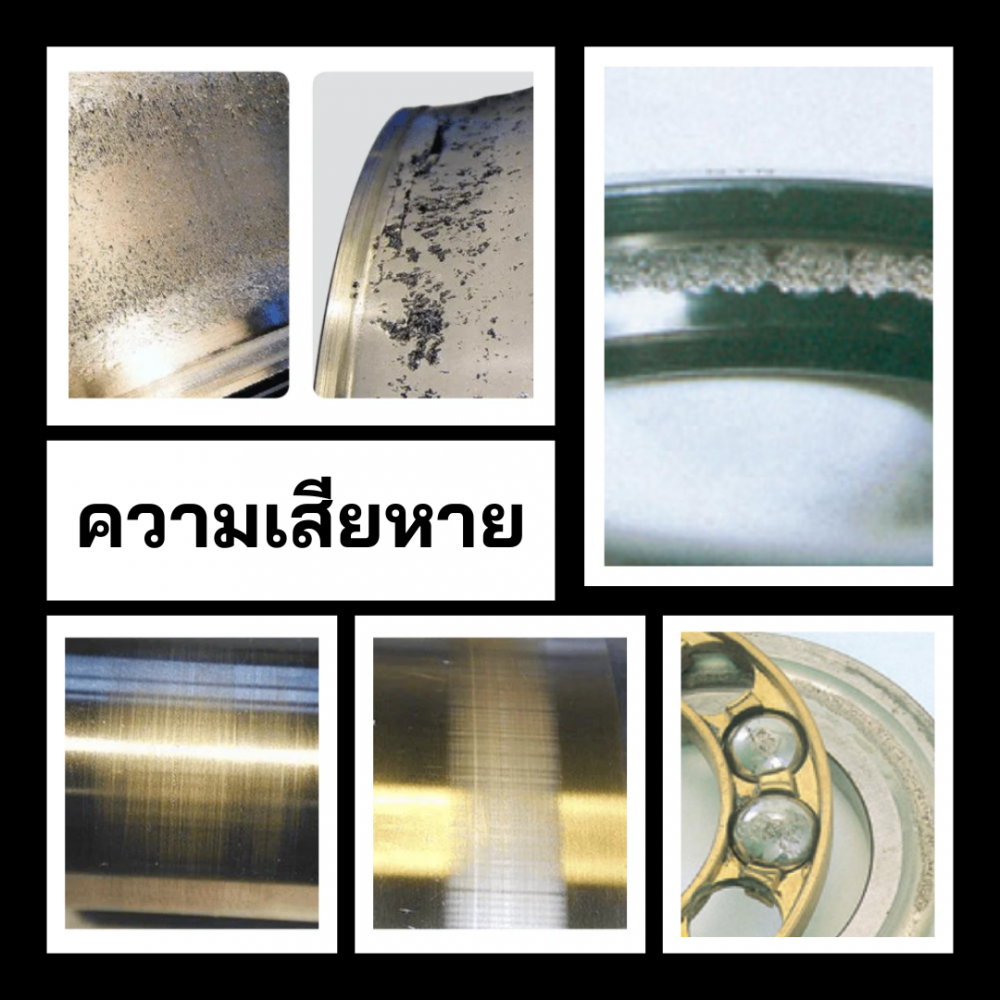
Ball bearing Bearings are an essential component that helps machines and equipment run smoothly and efficiently. However, mistakes in installation, operation, or maintenance can impact the entire system. By avoiding these errors—such as installing them properly, selecting the right lubricant, managing the operating environment, and performing scheduled maintenance—you can increase bearing performance, extend service life, and eliminate unnecessary expenses.
Remember that a bearing operating at peak efficiency not only keeps machinery running smoothly, but also delivers cost-effective results in the long run—improving machine efficiency, ensuring production continuity, and reducing operational costs. Therefore, paying attention to these small details is the key to success in using bearings.