


 EN
 ไทย


Customers Also Purchased


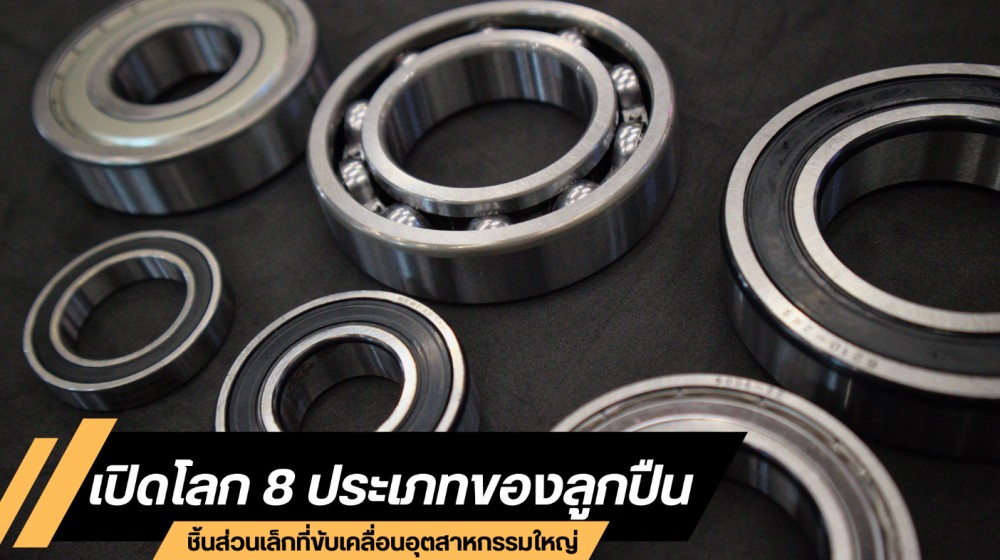
Ball bearing Bearings are vital mechanical components that help reduce friction and enhance the smooth movement of various parts. Whether used in small devices or large industrial machinery, choosing the right bearing can boost efficiency, lower costs, and extend the system's service life.
This article will introduce you to the 8 primary types of bearings, complete with their properties, key considerations, and applications across various industries.
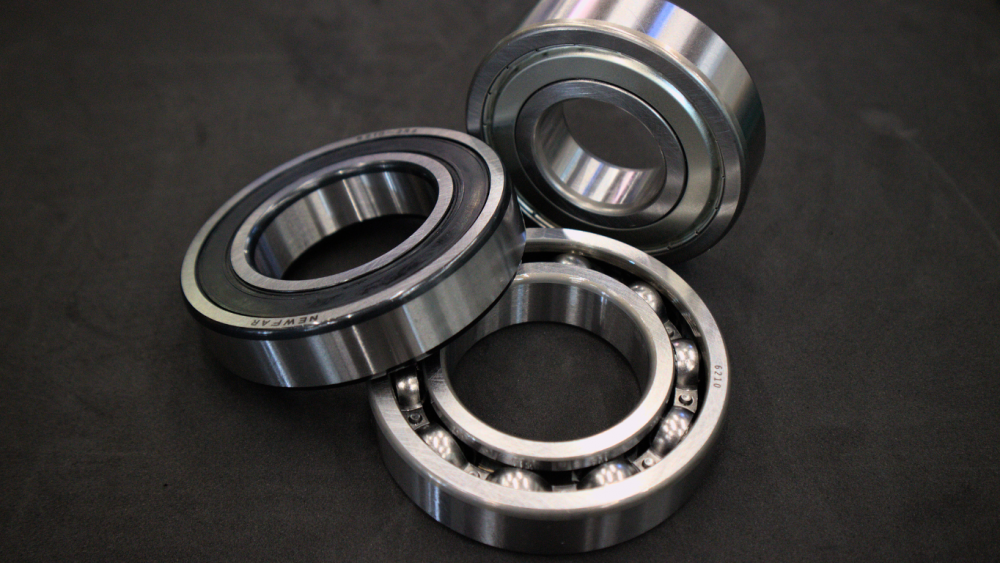
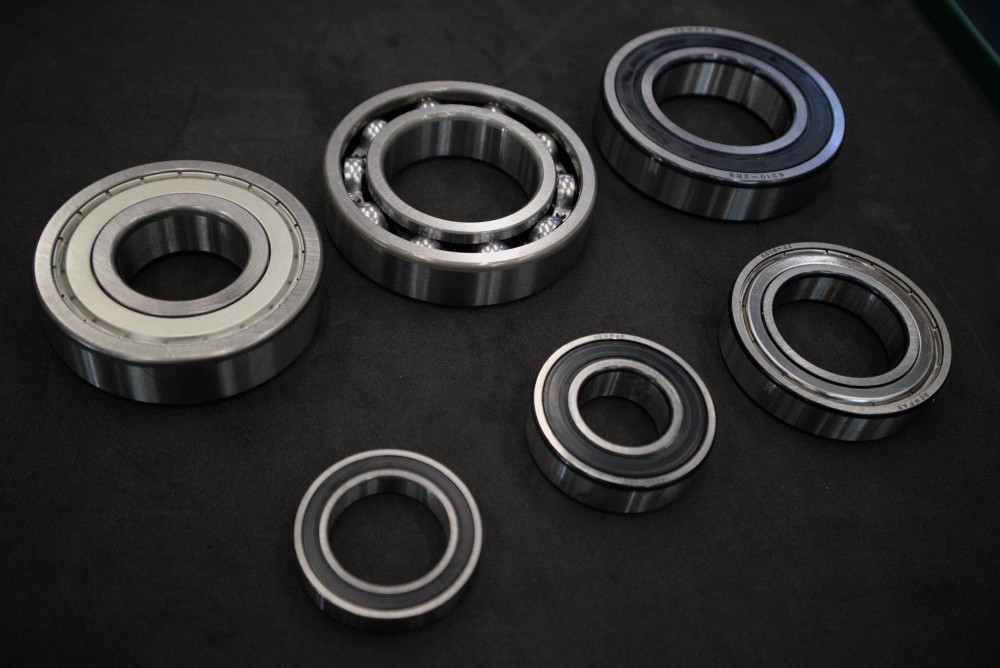
1. Ball Bearings
This type of bearing uses spherical balls that roll between bearing races to accommodate high speeds, low friction, and smooth movement. They are commonly used with various electric motors.
Features:
- Low friction, ideal for high-speed applications
- Supports both axial and radial loads
- Compact structure, lightweight
Things to consider:
- Not suitable for excessively high radial or axial loads
Typical Applications:
- Automotive Industry: Used in engines, wheels, and steering systems
- Electronics Industry: Used in electric motors, fans, and hard drives
- Industrial Machinery: Used in general machinery such as pumps and conveyor systems
- Agricultural Industry: Used in small agricultural machinery
- Home appliances: Used in washing machines, vacuum cleaners, and small electrical devices
2. Roller Bearings
This type of bearing uses rollers shaped like cylinders or other geometric profiles that can handle high radial loads, but rotate slower than ball bearings.
Features:
- Supports very high radial loads
- Some models can support axial loads
- Accommodates misalignment
- Robust, resistant to impact and vibration
- Various roller shapes, such as:
5.1 Cylindrical: Handles radial loads well
5.2 Tapered: Handles both radial and axial loads
5.3 Spherical: Accommodates misalignment and handles combined loads well
Things to consider:
- Lower operating speed compared to ball bearings
- Larger in size and heavier than ball bearings
Typical Applications:
- Heavy industry: Used in mining machinery, steel foundries, and construction work
- Automotive industry: Used in gearboxes, truck wheels, and drivetrains
- Agricultural industry: Used in heavy-duty agricultural machinery, such as tractors
- Manufacturing industry: Used in conveyor systems, crushers, and presses
 3. Needle Bearings
This type of bearing uses long, thin needle-like rollers, typically used in tight spaces and provides good load capacity.
Features:
- High load carrying capacity
- Excellent radial load capacity
- Available in both ring and ringless designs
- Lightweight and compact in size
- High precision, helping reduce vibration and enhance efficiency in complex systems
Things to consider:
- Not suitable for applications requiring high axial load support
- Requires proper lubrication
Typical Applications:
- Automotive industry: Used in transmissions, clutches, and drive shaft systems
- Machinery industry: Used in power tools, construction machinery, and general mechanical equipment
- Agricultural industry: Used in agricultural machinery requiring smooth movement in confined spaces
- Medical industry: Used in devices requiring precise movement and lightweight design
4. Plain Bearings or Slide Bearings
This type of bearing has no balls or rollers, instead relying on sliding contact between moving surfaces, especially in applications requiring linear motion.
Features:
- Simple and durable structure
- Supports high loads, particularly static loads
- High efficiency in systems requiring slow motion
- Some types feature self-lubricating materials, such as PTFE (Teflon)
Things to consider:
- Not suitable for high-speed applications
- Insufficient lubrication may lead to faster wear and tear
Typical Applications:
- Construction industry, such as loaders and cranes
- Automotive industry, such as undercarriages and suspension systems
- Agricultural industry, such as agricultural machinery
- Factory machinery, such as conveyor systems
5. Thrust Bearings
This type of bearing is specifically designed to support axial loads.
Features:
- Capable of effectively supporting loads applied parallel to the axis of rotation.
- High precision and reduces axial friction.
Things to consider:
- Not suitable for high radial loads.
- Installation requires precision and correct axial alignment.
- Space constraints; in some cases, it may require more space.
Typical Applications:
- Automotive industry: Used in clutch systems, transmissions, and parts that withstand axial thrust.
- Aerospace industry: Used in rotating systems requiring high axial load support and precision.
- Heavy industrial machinery: Used in crushers, lathes, and high-pressure pumps.
- Energy industry: Used in turbines, generators, and conveyor systems.
- General machinery: Used in systems with axial thrust, such as screw and piston systems.
6. Magnetic Bearings
Magnetic bearings are a technology that uses magnetic fields to support rotation instead of traditional mechanical components, reducing friction and increasing efficiency in high-precision machinery, such as CNC systems or medical devices.
Features:
- Reduces friction and wear.
- Supports extremely high rotational speeds.
- Resistant to corrosion and chemicals.
- Provides high-precision control and supports real-time position adjustment.
- Operation in diverse environments, such as vacuum conditions, extreme high temperatures, and extreme low temperatures
Things to consider:
- High initial cost and requires a complex magnetic control system
- Must be used in systems with a stable power source
Typical Applications:
- Energy industry: used in wind turbines, generators, and pumps in nuclear power systems
- Aerospace industry: used in motion systems requiring precision and light weight, such as satellite guidance systems
- High-speed machinery: used in compressors, high-speed motors, and vacuum pumps
- Medical: used in medical instruments that require cleanliness and zero vibration, such as blood centrifuges
- Process industry: used in systems requiring high safety and stability, such as chemical plants or natural gas processing facilities
 7. Hydrodynamic Bearings
This type of bearing uses fluid pressure to support loads occurring between two parts rotating or moving relative to each other, using fluid pressure (typically oil) to create a lubricating film between the bearing surface and the shaft or rotating component.
Features:
- Effectively reduces wear and tear
- Supports high loads
- Durable in harsh environments, such as operating in high or low temperatures
Things to consider:
- Requires a consistent and suitable lubrication system
- Complex design and installation
- Manufacturing and installing hydrodynamic bearings carries a higher cost than standard bearings
Typical Applications:
- Energy industry: used in steam turbines, gas turbines, and generators
- Aerospace industry: used in turbo systems and jet engines
- Heavy industrial machinery: used in crushers, pumps, and large machinery that must withstand heavy loads
- Automotive industry: used in engines requiring dynamic lubrication
- Marine Industry: Used in marine engines and drive shaft systems
8. Ceramic Bearings
Bearings that use high-strength ceramics, such as silicon nitride (Si3N4), to manufacture the balls or rollers, offering greater wear resistance than conventional steel bearings.
Features:
- Lightweight
- Supports lubrication-free operation
- Supports very high-speed operation
- Resistant to corrosion and high temperatures
Things to consider:
- Brittle and higher in cost compared to metal types
Typical Applications:
- Aerospace Industry: Used in systems requiring high precision and operating under high-temperature or oil-free conditions
- Automotive Industry: Used in engines, turbocharger systems, and high-speed components
- Electronics Industry: Used in high-speed motors, magnetic control systems, and semiconductor equipment
- Medical Industry: Used in equipment requiring high cleanliness, such as surgical instruments or centrifuges
- Energy Industry: Used in wind turbines and power systems requiring a long service life
Conclusion
Ball bearing There are diverse types that cater to various industrial applications—from supporting heavy loads to reducing friction in high-speed rotating machinery. Selecting the right type of bearing directly impacts the efficiency and service life of machinery across different industries. Understanding the types and properties of each bearing is therefore essential for effective selection in industrial applications.