


 EN
 ไทย


Customers Also Purchased


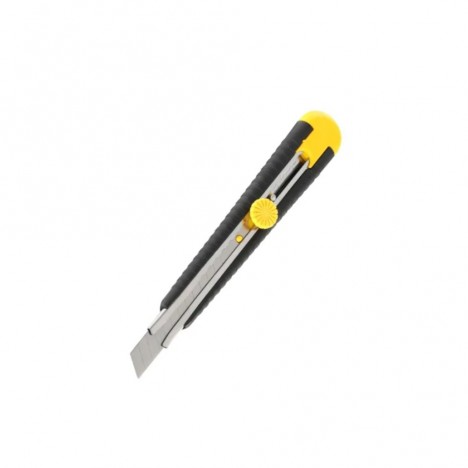
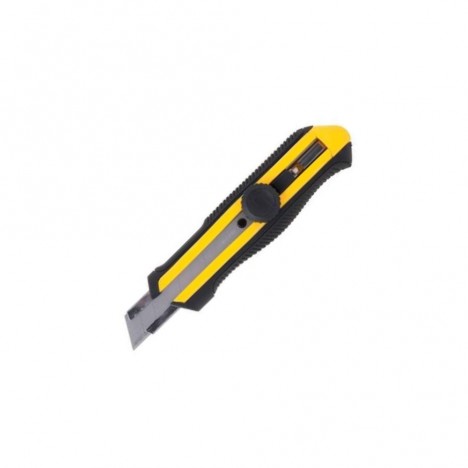

A utility knife is a versatile tool designed for scoring, cutting, and slicing various materials as needed—such as paper, fabric, foam, and more. Utility knives are compact, lightweight, easy to use, and highly portable. In fact, Blade Cutter there are many types available to handle different cutting tasks. But which one do you really need? Let me help you find the answer in this article. Let's go!!!


Types and Applications of Utility Knives
Utility knives come in a variety of types and sizes. Choosing the right utility knife for the job will make your work easier and deliver better results.
Utility Knife
Standard utility knives are designed for general-purpose use. The knife body features a long, straight blade with an angled tip, paired with a handle made of plastic, stainless steel, or aluminum. It incorporates various functional parts, including a blade slider, a pocket clip with a built-in blade snapper for quick replacement, and various operating mechanisms.
Mini Utility Knife
Mini utility knives, or pocket-sized cutters, are smaller than standard utility knives, typically measuring around 6–7 cm in length. This type of knife is designed to be extra compact, allowing you to carry it around easily, store it without taking up space, and grab it quickly for agile use.
Heavy-Duty Utility Knives
Heavy-duty utility knives feature a thick, ultra-sharp blade, usually made of rust-resistant coated metal that can withstand considerable pressure. The handle and components are exceptionally rugged and durable, boasting heat resistance, impact resistance, and a long service life. They are commonly used for cutting tough materials such as drywall, plywood, carpeting, and more.

Choosing a Utility Knife to Match Your Style
Price
Utility knives come in a wide price range, from budget options under a hundred THB to premium models costing thousands. If you want a knife that will last for years, a higher-end utility knife is usually the better choice. Built-in safety features will also raise the price, but they are typically well worth it to prevent injuries while you work.
Safety
Different types of utility knives offer various safety features depending on the manufacturer. Look for safety elements like self-retracting blades and secure locking mechanisms, and remember to replace dull blades frequently. Make sure to pick the right knife for the job and follow safe operating guidelines.

Durability
Durability correlates directly with cost. Utility knives built to last will be more expensive than cheaper alternatives. Classic gray metal utility knives are inexpensive and extremely durable. On the other hand, if you have many workers using utility knives, handing out cheap disposable cutters may be a better option than trying to track and manage more expensive, heavy-duty knives.
Style
What will you use the utility knife for? For cutting film and opening boxes, a hook knife or T-cutter will reduce the risk of damaging the product. Heavy-duty applications, such as cutting carpet, require a sturdy utility knife with standard blades. Choose a style that suits your work.
Ergonomics
Does the utility knife fit your hand? How much cutting control does the utility knife give you? If you use a utility knife to open boxes occasionally and precision isn't critical, a simple plastic utility knife is sufficient. However, if you use a utility knife frequently and need more precision, such as marking cut lines or cutting materials to exact dimensions, an ergonomic handle will make a significant difference in both comfort and control of the utility knife.
Select Blade Cutter to suit your application