


 EN
 ไทย


Customers Also Purchased


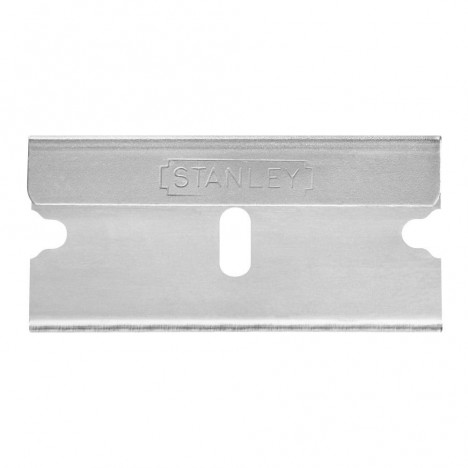
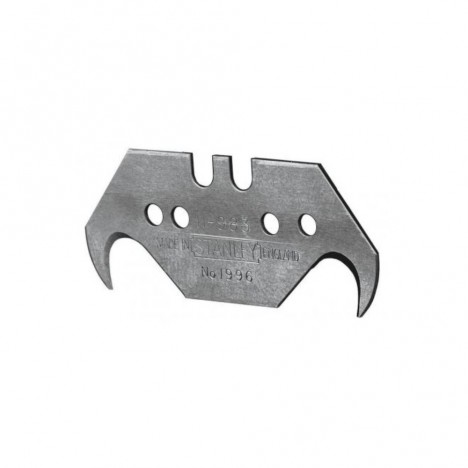
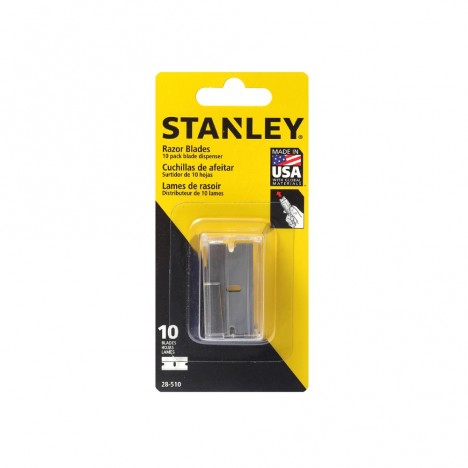
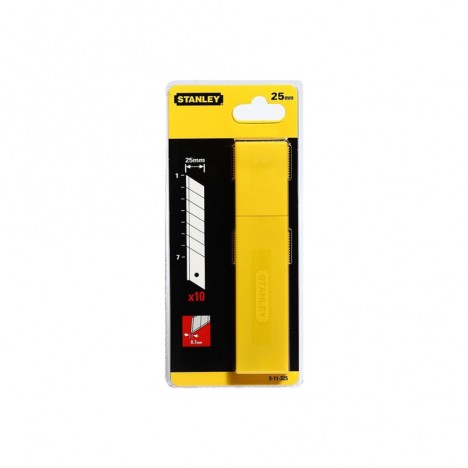
Utility knife blades, or general-purpose blades, are indispensable tools for cutting, trimming, and slicing various materials. However, because there are Cutter Blade a wide variety of options available, it is essential to understand their differences, applications, and safety measures in order to choose the right blade for your needs. This comprehensive guide delves into utility knife blades, covering types, uses, maintenance tips, and creative applications. Whether you are a DIY enthusiast, a professional craftsman, or simply looking to make an informed purchase, this article has something for everyone.
Applications of Utility Knife Blades
Utility knife blades are ideal for cutting materials such as leather, plastic, foam board, cardboard, and paper. When trimming wallpaper to fit or cutting excess carpet, these utility knife blades are useful for trimming the edges of various materials. In addition, utility knife blades are excellent for scoring materials such as wood, plastic, or drywall, making it easy to snap along the scored line. Utility knife blades are essential for precision work, as their design allows for accurate cutting of materials like fabric, paper, and foam.
About Utility Knife Blades
Utility knife blades are commonly used in many industries, especially in those related to construction, crafting, and hobbies. Common utility knife blades come in 2 blade widths: 9 mm and 18 mm, with 22 mm and 25 mm being less commonly used.
Snap-off utility knife blades have small segments that can be snapped off to reveal a fresh, razor-sharp cutting edge. A blade typically consists of 8–13 snap-off segments. For daily precision cutting, a snap-off knife is an extremely valuable tool.

Size Differences of Utility Knife Blades
9 mm Utility Knife Blades
9 mm utility knife blades are ideal for detailed work, crafting, various hobbies, and unpacking packages. This type of utility knife blade is particularly suited for cutting thin materials such as paper, cardboard, wallpaper, leather, vinyl, and film. In addition, 9 mm utility knife blades are often used by advertising businesses for applying vinyl sheets, vehicle wrapping, windows, and other items for precise cutting.
18 mm Utility Knife Blades
18 mm utility knife blades are used in everyday life and by professionals for cutting wallpaper, corrugated cardboard, wood flooring, drywall, and polyurethane. Therefore, choosing the best utility knife blade for you can be both easy and challenging. We will provide recommendations on how to choose the best knife below.
22 and 25 mm Utility Knife Blades
Utility knife blades with widths of 22 mm and 25 mm are considered less commonly seen utility knife blades. In some cases, wider utility knife blades are preferred due to their greater thickness and higher wear resistance. For example, the typical thickness of 9 mm and 18 mm utility knife blades is 0.40 and 0.50 mm, respectively.

Utility Knife Blade Materials
Utility knife blades are usually made from 2 types of materials: carbon steel or stainless steel. Each material offers different advantages and disadvantages depending on your cutting requirements.
Carbon Steel Utility Knife Blades
Carbon steel utility knife blades are known for their sharpness and durability. These utility knife blades can maintain their edge longer than stainless steel, making them suitable for heavy-duty applications. However, carbon steel utility knife blades are more prone to rust and corrosion, so they may not be ideal for use in humid environments.
Stainless Steel Utility Knife Blades
Stainless steel utility knife blades are more resistant to rust and corrosion, making them suitable for use in humid environments. Although not as sharp as carbon steel blades, stainless steel blades still deliver excellent cutting performance and durability.
Conclusion
Understanding the different utility knife blades is essential for getting the right tool for your specific job. From standard utility knife blades for general cutting tasks to those designed for specialized applications, familiarizing yourself with the different types, materials, and optimal uses of utility knife blades allows you to enhance your utility knife's versatility and tackle any cutting task with confidence.
Frequently Asked Questions (FAQs)
How often should utility knife blades be replaced?
The frequency of replacing utility knife blades depends on the type of material you cut and how often it is used. Generally, utility knife blades should be replaced when they become dull or damaged to ensure sharp, precise cuts and prevent potential injuries.
Can utility knife blades be sharpened?
Some utility knife blades can be sharpened using a blade sharpener or whetstone. However, this process can be time-consuming and may not yield the desired results for all types of utility knife blades. In most cases, replacing the blade when it becomes dull is more efficient and cost-effective.
Are utility knife blades interchangeable?
Many utility knife models are designed to accept multiple types of utility knife blades, allowing you to easily switch blades to suit your cutting needs.
Select Cutter Blade to suit your specific application