Welding various metals together using
Welding machine MIG or TIG welding offers numerous advantages, from high speed to delivering fine, exquisite finishes. Yet alongside these benefits, there is one crucial factor that both novice and professional welders must keep in mind: airborne fumes or vapors generated from metal welding. This is especially true when welding non-ferrous metals such as aluminum, which is commonly welded using MIG or TIG machines. In this welding process, the generation of fumes—which can be hazardous to the body, including the brain and nervous system—is unavoidable. These vapors can pose different health hazards depending on the level of exposure. Let us explore these vapors, the dangers of fume inhalation, and how to protect yourself from these hazards.
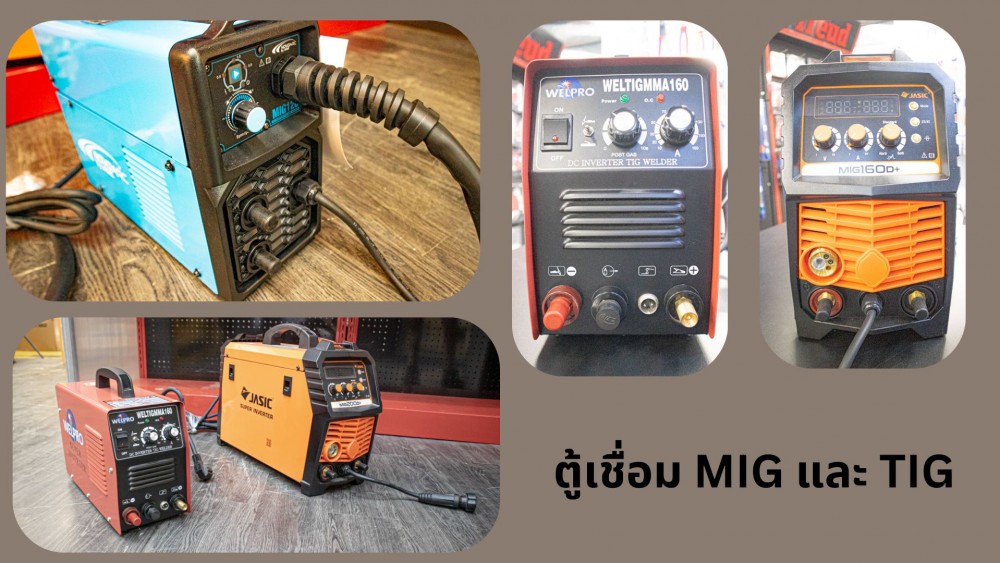
Fumes from welding with welding machines
Thermal processes like welding produce ultrafine (submicron) particles that can penetrate deep into the lungs and be absorbed into the body through the respiratory system. For example, aluminum welding fumes consist of aluminum and aluminum oxide particles, along with other alloying metals present in aluminum alloys such as copper, zinc, magnesium, silicon, manganese, and lithium. Although some fumes originate from the base metal electrode, most come from the consumables used during welding, such as the filler wire melted to join metals together.
Tungsten Inert Gas (TIG) welding and Metal Inert Gas (MIG) welding are commonly used methods for welding light metals like aluminum. Each method produces different types of fumes and carries various distinct health risks:
- Most fumes from MIG welding originate from consumables; consumables for non-ferrous metals often contain small amounts of other elements such as silicon, magnesium, zinc, or other metals.
- TIG welding uses tungsten electrodes, which produce tungsten fumes that operators may inhale during the welding process.
In addition, MIG and TIG welding of aluminum typically generates large amounts of ozone gas from the reaction between ultraviolet radiation produced by the arc and oxygen in the air. Welding aluminum with silicon-bearing aluminum filler metals often produces extremely high ozone levels. Aluminum welding fumes may also contain other gases, including carbon dioxide, carbon monoxide, and nitrogen dioxide.
Health Risks from Welding Fumes
Exposure to fumes and oxides from welding machines affects the body both acutely and chronically, ranging from respiratory illnesses to neurological damage. Acute symptoms from welding fume exposure include irritation of the eyes, nose, throat, and lungs. There is also a condition known as "Metal Fume Fever," an acute flu-like illness caused by inhaling metals and metal oxides, characterized by coughing, chills, and muscle aches. Long-term exposure can cause various chronic conditions, such as pulmonary diseases that may include asthma. Manganese, commonly found in MIG welding fumes, can cross the blood-brain barrier and potentially cause neurological disorders. Exposure to tungsten vapors during TIG welding can lead to lung disease as well as chronic symptoms such as irritation of the eyes, skin, nose, and respiratory tract. Additionally, ozone gas generated during welding also contributes to the symptoms mentioned above.
For maximum personal safety, welding machine operators should keep airborne concentrations below designated exposure limits, especially for common substances such as aluminum (no more than 1 mg/m³), manganese (no more than 0.2 mg/m³), ozone (0.05–0.10 ppm depending on workload), tungsten (no more than 3 mg/m³), and zinc oxide (no more than 2 mg/m³), based on the most stringent ACGIH standards.
Combustion Risks from Welding Fumes
Beyond the health impacts of welding fumes, welding machine operators should consider the risk of flammability, which can lead to fires. It is generally believed that welding fumes are non-flammable because the material has already been oxidized during the welding process. However, scientific studies have shown that in many cases, welding fumes contain a mixture of both oxidized and unoxidized materials. Unoxidized aluminum dust can generate sparks or explode under certain conditions. For this reason, testing welding fumes for explosive potential is recommended, including the Kst and Pmax values (known as the explosion index). If welding fumes are found to be combustible, appropriate preventive measures must be implemented.
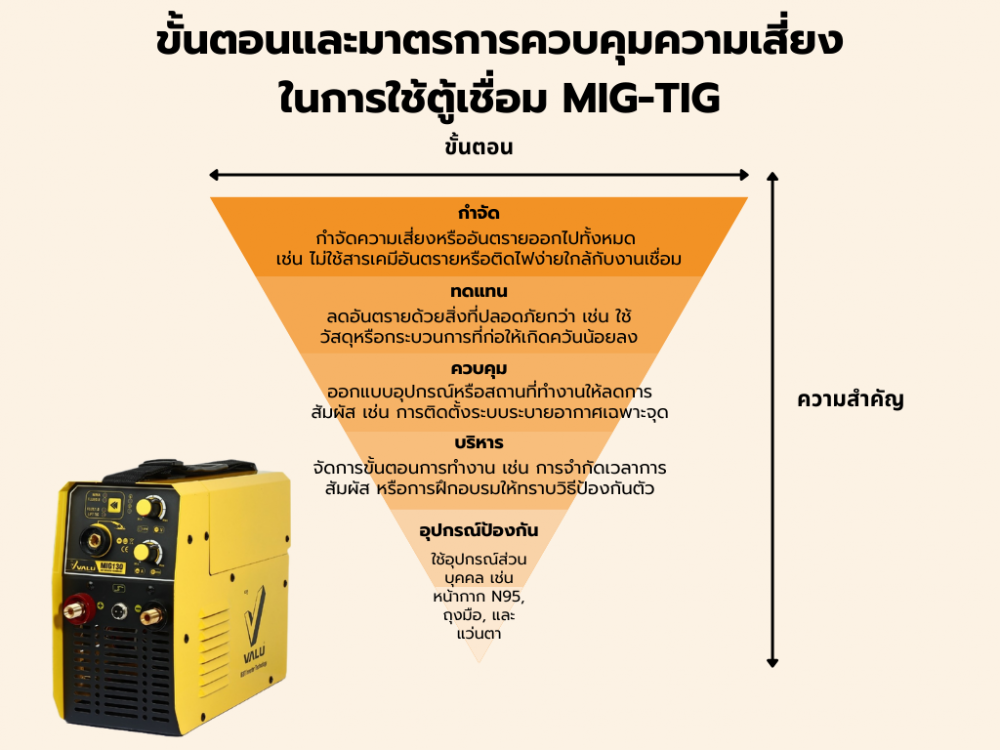
Protecting Yourself from MIG - TIG Welding Fumes
To protect yourself from vapors and fumes generated by welding machines—especially when welding non-ferrous metals like aluminum, which may contain various hazardous substances—follow these recommendations:
1. Use good ventilation systems
When operating welding machines in enclosed or poorly ventilated areas, install an effective ventilation or fume extraction system to help reduce the accumulation of fumes and airborne hazards, and extract fumes immediately after welding is completed.
2. Wear protective equipment
- Respirator equipped with filters for metals and chemicals, such as filters for heavy metals or airborne toxins
- Safety goggles to prevent eye irritation
- Gloves and skin-protective clothing to avoid contact with fumes and hot metal
- Welding helmet capable of protecting against UV exposure from the welding arc
3. Inspect and test welding fumes
Welding fumes should be tested to assess explosion risks and hazardous substances mixed within the fumes, particularly where unoxidized aluminum dust is present, which may pose hazards. Key parameters to check include the deflagration index (Kst) and maximum explosion pressure (Pmax).
4. Avoid direct contact
Avoid being near the welding point while welding is in progress to prevent direct exposure to hazardous airborne substances.
5. Use an efficient dust collection system
Invest in quality cleaning equipment, such as industrial vacuum cleaners or air purifiers. Maintain and check them regularly to ensure the cleaning tools operate efficiently and can quickly remove dust and fumes.
Implementing protective measures for yourself and the environment against welding vapors not only reduces health risks, but also lowers the potential risk of explosions or sparks that could lead to a fire.
Conclusion
Welding with a welding machine offers many advantages, including speed and precision of the finished work. However, welding also produces fumes or vapors that are hazardous to health, especially when welding non-ferrous metals like aluminum. These vapors consist of metal particles and gases that cause acute irritation as well as chronic health problems, such as lung disease and neurological damage. For safety, keep air quality within standard limits, use efficient ventilation systems, wear appropriate protective equipment, and regularly inspect the work environment. These measures not only help reduce health risks, but also help prevent fires and explosions that can be caused by flammable vapors.


 EN
 ไทย