


 EN
 ไทย


Customers Also Purchased


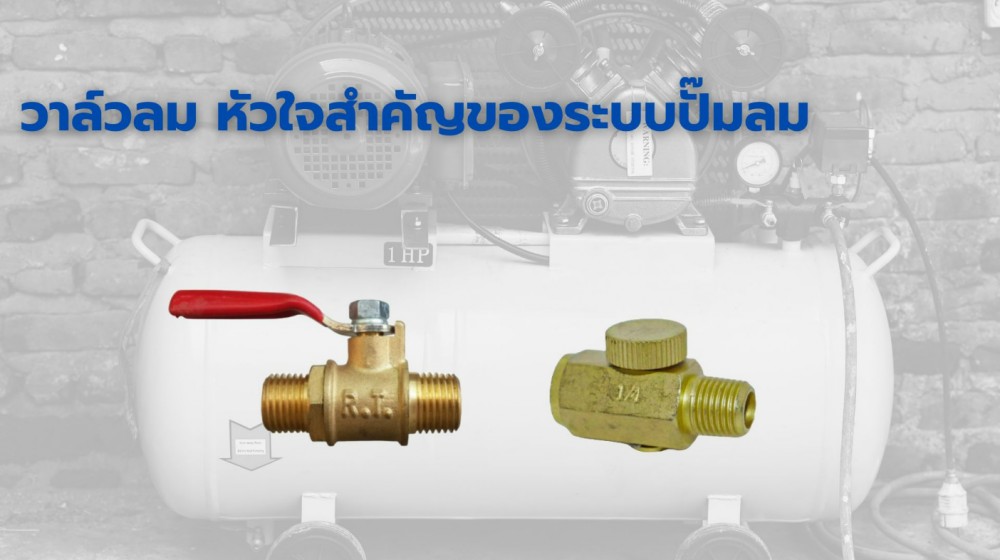
What is an Air Valve?
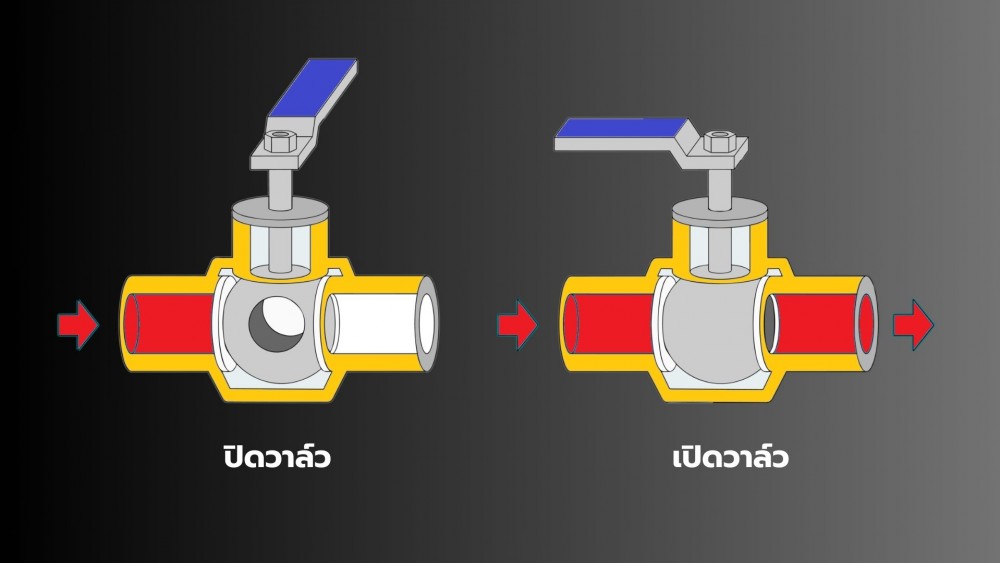
An air valve is a ball valve used to control the flow of gas by utilizing a spherical ball with a hole through the center as the control mechanism. It rotates 90 degrees, or a quarter-turn, aligning the bore with the pipe or passage to allow air to pass through, and turning back to block the hole and stop the flow immediately when fully closed. It can also be adjusted to regulate volume and pressure, similar to water faucets and valves. This mechanism allows users to quickly and easily control the shut-off and pressure in an air compressor system.
Importance of Air Valves in Compressed Air Systems
In a compressed air system, the air valve is the heart that controls the flow of air through pipes and various equipment. Installing an air valve in a compressed air system allows for efficient airflow management and enables control over several factors, such as:
1. Pressure Control
An air valve can rotate up to 90 degrees, which provides maximum pressure opening, but airflow pressure can also be reduced by adjusting the handle angle downward. Adjusting the air pressure to the desired level is therefore easy, and crucially, it prevents over-pressurization that could damage equipment.
2. Quick Shut-off
Air valves are designed for instant open/close operation with an intuitive 90-degree turn. This makes them ideal for applications requiring fast response times, such as immediately shutting off flow when an issue arises.
3. Reducing Energy Loss
Air leaks result in lost energy and wasted resources. Using air valves with high-quality seals helps minimize leakage and improves overall energy efficiency.
The Compressed Air and Gas Institute (CAGI) recommends that selecting proper equipment in an air compressor system, including installing air valves in appropriate locations, helps reduce pressure drop and potential leakage issues.
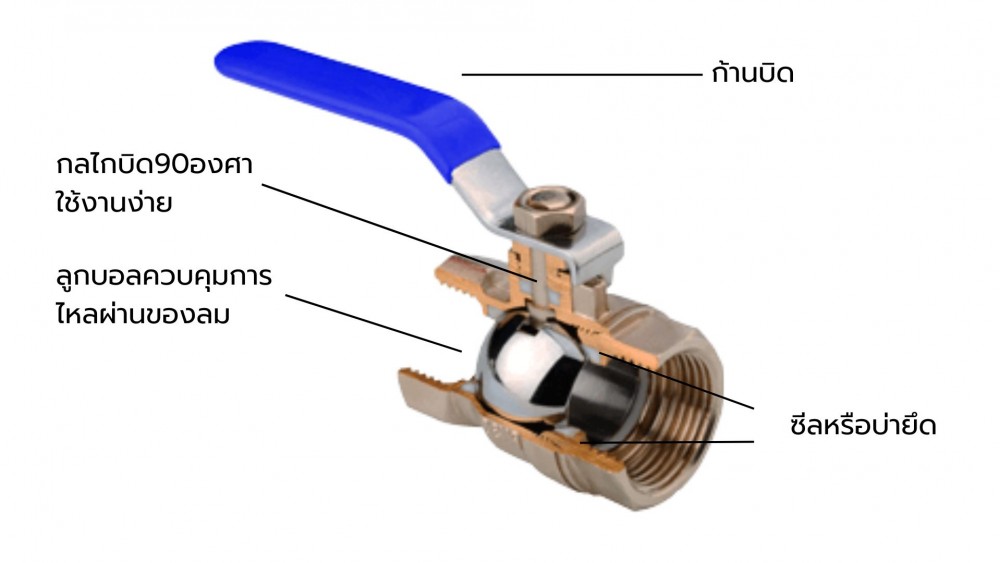
Essential Features of an Air Valve for Air Compressors
Selecting the right air valve for a compressed air system involves considering several features to ensure efficient and safe operation, as follows:
1. Pressure- and Corrosion-Resistant Materials
Air valves used with air compressors are typically made of stainless steel or brass to prevent corrosion and extend service life. Brass is suitable for compressor systems with moderate pressure and less demanding environments, such as general air compressors, being more affordable but less resistant to chemicals and moisture than stainless steel.
2. Tight Seals
Air valves should feature high-quality seals or seats to prevent air leaks. Seal materials play a crucial role in preventing air leakage in the system. A popular material for pneumatic ball valve seals is Teflon (PTFE), which offers wear resistance, high-pressure tolerance, and low friction. Choosing the right seal material helps minimize leaks and extends the valve's lifespan.
3. Air Valve Size
The size of the air valve should be selected to match the pipe size of the compressor system. If the air valve is too small, it may cause high flow resistance within the system. Conversely, an oversized valve may cause the system to consume more energy than necessary. Choosing the appropriate size ensures maximum system efficiency.
4. Suitability for High-Temperature or Chemical Environments
If the pneumatic system operates in an environment with high temperatures or chemicals that could damage materials, selecting an air valve resistant to these conditions will help extend the system's service life, such as choosing materials that withstand corrosion and high temperatures.
Maintenance of Air Valves for Air Compressors
Maintenance of air valves in compressed air systems should be performed regularly to reduce wear and extend service life, with key steps including:
1. Inspect for Leaks
Inspect the air valve and seals for any signs of leakage. If leaks are detected, replace or repair them immediately.
2. Clean the Air Valve
Dust and debris can accumulate and obstruct the valve's operation. Regular cleaning ensures smoother operation and helps preserve the material for longer use.
3. Test Operation
Check the opening and closing mechanism of the air valve to ensure it functions properly, especially ensuring that rotation is smooth and not stiff.
Conclusion
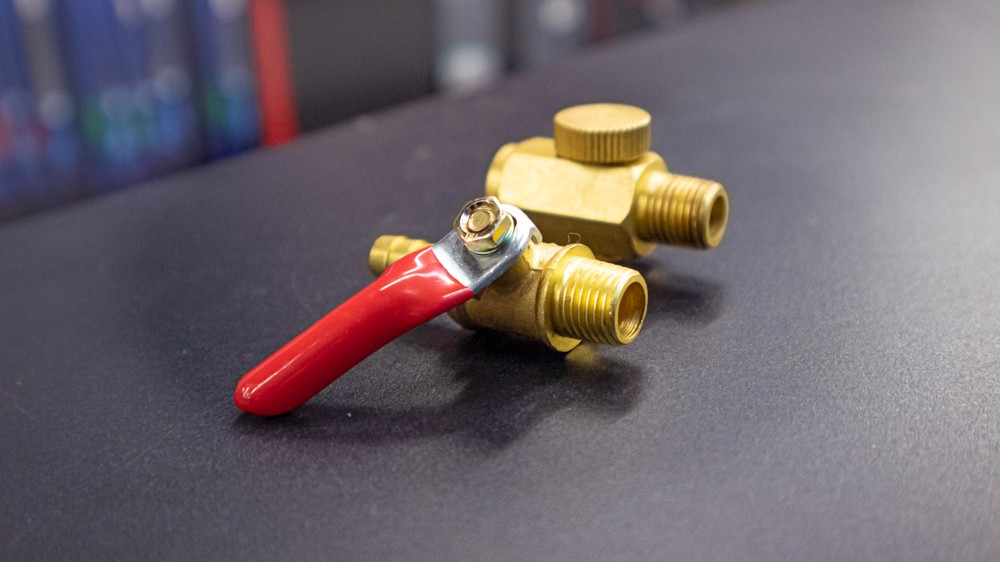
Air valves are a vital component of any air compressor system. Choosing the right air valve and performing proper maintenance will enhance the compressed air system's efficiency, reduce energy loss from leaks, and extend equipment lifespan. Investing in high-quality air valves is a worthwhile investment that ensures stable, smooth, and safe system operation.
SelectPneumatic Valveto suit your needs