


 EN
 ไทย


Customers Also Purchased


Fortunately, specialized respiratory protective equipment is available. A chemical respirator mask is personal protective equipment (PPE) designed to protect users from inhaling hazardous chemicals, keeping themsafe while working. However, not all chemical respirator masks are created equal. Different work environments require different levels of protection. This article will guide you through the various types of respirators, their use cases, and key differences.

Key Components of a Chemical Respirator Mask
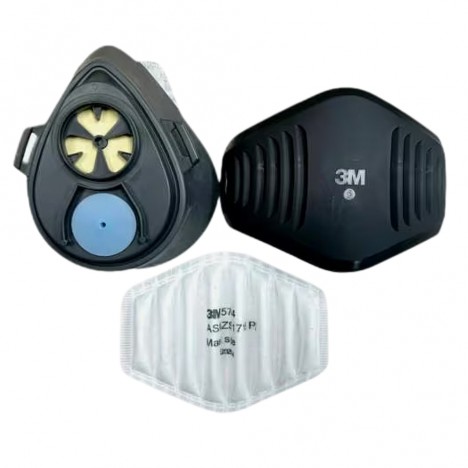
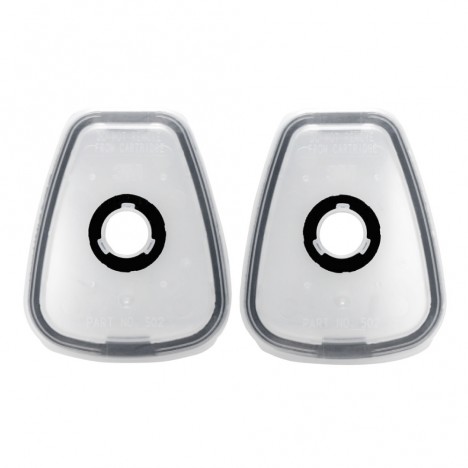
- Filter/Cartridge: Used to filter out hazardous particles and chemicals, usually replaceable when full or expired.
- Exhalation Valve: Facilitates easier breathing by releasing exhaled air from the mask.
Types of chemical respirators
Chemical respirator masks, like all personal protective equipment (PPE), come in multiple types, various sizes, and offer different protection factors.
Half-Face Chemical Respirator Mask
The half-mask facepiece is typically made of silicone and nitrile rubber that is soft on the skin. It comes with adjustable head straps to fit your face comfortably. The chemical respirator mask features well-ventilated filter cartridges that facilitate easy breathing. This type of chemical mask should be used in conjunction with safety glasses to enhance effectiveness. It is typically suitable for construction, cleaning work, etc.
Full-Face Chemical Respirator Mask
This type of chemical respirator mask includes filter cartridges and an integrated face shield for full-face protection. It is designed to be worn for extended periods without discomfort, feeling relatively breathable. This type of chemical mask is suitable for applications requiring high safety levels, such as welding, metal grinding, etc.
Supplied-Air Chemical Respirator Mask
This type of chemical respirator consists of a facepiece, breathing tube, and air filter unit. Some chemical respirator models are also designed to be battery-powered, offering resistance to heat and cold. In addition, it effectively controls the airflow rate, making it suitable for job sites with heavy dust and chemical vapors. It is commonly used in chemical laboratories, petrochemical plants, oil and gas industries, etc.
Choose the type of Safety Masks before use. There are several types you need to know about prior to use, with each type suited to different hazards and chemical concentration levels.