


 EN
 ไทย


Customers Also Purchased

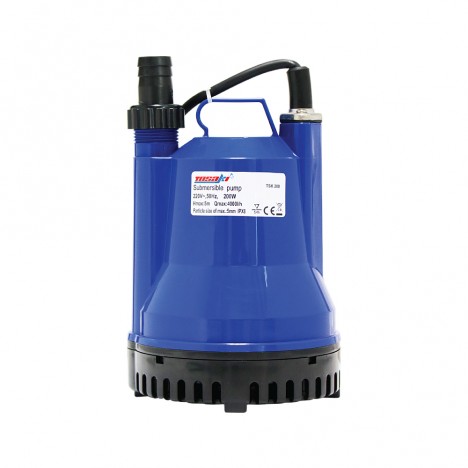
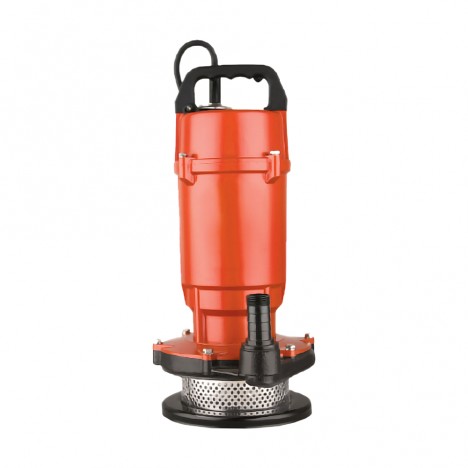
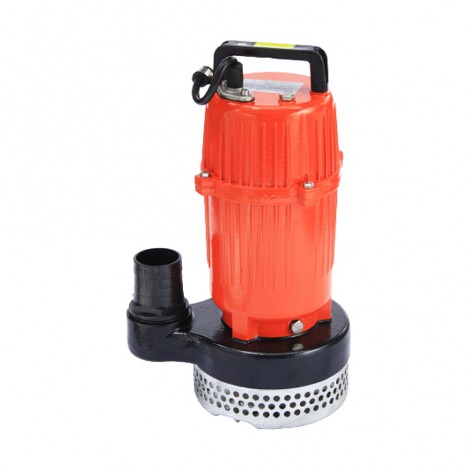
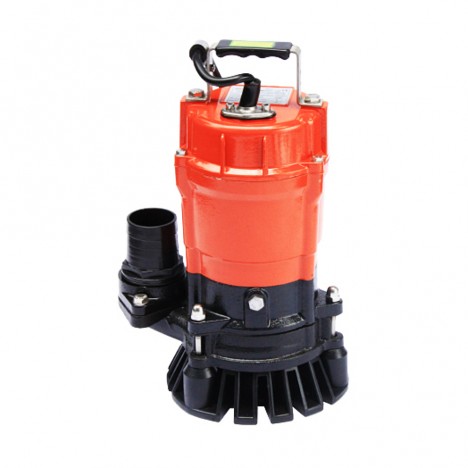
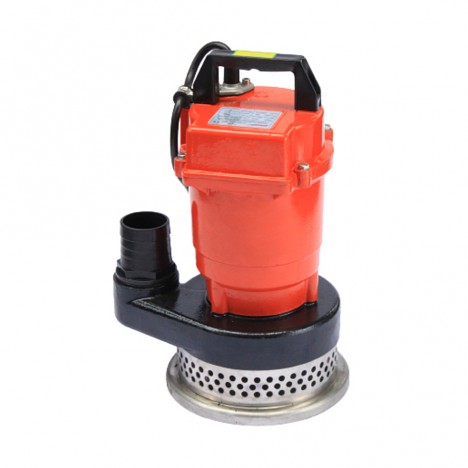
Learn everything about submersible pumps, from how they work, advantages, and precautions to choosing the right pump—answering every question before making a purchase.
submersible pumps , also known as a Submersible Pump, is one of the most popular devices used in agriculture, household chores, or general water pumping. But for those who have never used one, you might wonder how a submersible pump works and which type is suitable for your application. In this article, we will answer all your questions about submersible pumps to help you understand them better.
People searching for information on "submersible pumps" often want to know how to use them, their suitability in various situations, and factors to consider before buying. This article aims to meet those needs by thoroughly explaining how to choose and use a submersible pump safely.
Table of Contents
- What is a Submersible Pump?
- How a Submersible Pump Works
- Types of Submersible Pumps
- Advantages of Using a Submersible Pump
- How to Choose the Right Submersible Pump for Your Job
- FAQ: Using Submersible Pumps
- Conclusion
- Frequently Asked Questions (FAQs)
What is a Submersible Pump?
Submersible Pump is a water pump that can be completely submerged in water, uniquely designed to operate underwater without damage. It is ideal for draining water from flooded areas, ponds, swimming pools, or wastewater tanks. A submersible pump has a built-in electric motor sealed to prevent water leakage, enabling it to pull water up efficiently by using water pressure to push water up through the pipe. In addition, submersible pumps come in various sizes and types to suit different needs, such as pumping clean water, drainage, or sewage.
How a Submersible Pump Works
How a Workssubmersible pumps operates using a well-sealed electric motor to prevent contact with water. The motor rotates an impeller inside the pump casing, creating pressure to draw water in through the inlet and push it out through the discharge pipe. Submersible pumps can operate even when submerged underwater because they are specifically designed to withstand underwater conditions. For instance, when you need to draw water from a well, a submersible pump can be placed directly into the well to continuously pump water through the pipe. Or during a flood in areas like basements, a sewage submersible pump can be submerged in the water to pump it out efficiently, drying the area quickly.
Types of Submersible Pumps
This type of pump can be submerged directly into the water or liquid to be pumped, making it ideal for applications requiring water extraction from groundwater sources, wells, ditches, or storage tanks. In addition to high-efficiency pumping capability, submersible pumps come in a variety of designs to suit different applications.
Categorized by Body Material
- Plastic Body Submersible Pump A submersible pump with a lightweight plastic body is typically used for applications requiring easy portability, such as garden watering or draining swimming pools. The plastic body offers a certain level of resistance to water corrosion, but is not suitable for environments with harsh chemicals or high temperatures.
- Stainless Steel Body Submersible Pump Submersible pumps with a stainless steel body resist corrosion and heavy-duty use. Suitable for use in saltwater environments or chemical-laden water, they can be used efficiently in industrial applications, agricultural work, or well pumping.
- Cast Iron Body Submersible Pump The body is made of cast iron, offering exceptionally high strength and durability. Suitable for pumping water in heavy-duty environments or jobs requiring high pressure resistance. Used in industrial applications or draining large-scale floodwaters.
- Aluminum Body Submersible Pump The body is made of aluminum, lighter than cast iron yet still highly durable. Easy to use and convenient to move. Suitable for construction work, domestic use, or areas requiring frequent water pumping.
Categorized by presence of a float switch
- Submersible Pump with Float Switch Comes with a float switch that automatically controls the on-off operation based on the water level. Suitable for applications requiring continuous water level control, such as wells, pools, or storage tanks.
- Submersible Pump without Float Switch Requires manual on-off control. Suitable for jobs requiring precise control, such as pumping water in confined spaces or when the user requires operational flexibility.
Each type of submersible pump is designed for specific applications. Choosing the right pump will help increase work efficiency and reduce potential issues.
Advantages of Using a Submersible Pump
1. Deep-water pumping efficiency
submersible pumps Capable of being submerged directly into the water or fluid to be pumped, making it ideal for deep water sources such as groundwater wells or large storage tanks. For example, on agricultural farms requiring water to be pumped from deep wells to irrigate crops, submersible pumps can operate efficiently and continuously even in very deep water sources.
2. Easy to install and use
Submersible pumps are designed for easy operation: simply place the pump in the water source and connect it to the electrical system, without requiring complex installation like other types of pumps. For example, in residential homes requiring water to be pumped from a rooftop storage tank, a submersible pump can be used to quickly distribute water to various areas within the house.
3. Durability
Because submersible pumps are designed to be submerged directly in water, they are resistant to damp environments and can operate in conditions with water or liquids. For example, when pumping water out of a flooded basement, a submersible pump can operate in water without causing damage to the unit.

How to Choose the Right Submersible Pump for Your Job
Selecting the right submersible pump for your application is essential for efficient and time-saving pumping operations. How to choose a submersible pump should be considered based on several factors, such as:
Type of water to be pumped
You should consider whether you are pumping clean water or wastewater. For clean water, such as water from wells or swimming pools, choose a clean water submersible pump designed for pumping water free of debris. However, if you need to pump wastewater or contaminated water, such as pumping from a treatment pond, choose a sewage submersible pump equipped with a strainer and capable of handling foreign objects well.
Depth of Water Source
The depth of the water source to be pumped is an important factor. You should choose a pump capable of pumping water from an appropriate depth. Deep well submersible pumps are capable of operating in deep water sources and delivering water over greater distances compared to standard submersible pumps.
Example - If you need to pump water from a deep artesian well, you should choose a deep well submersible pump that can efficiently handle pumping at significant depths.
Flow Rate and Water Pressure
Water flow rate and water pressure are other factors to consider. If you need to pump a large volume of water in a short time, you should choose a submersible pump with a high flow rate. However, if you need to pump water to a distant location or to a higher elevation, you should choose a pump with high water pressure to effectively deliver the water to its destination.
Example - In the case where you need to pump water to a rooftop water tank or an elevated area, you should choose a submersible pump with high pressure to deliver water as needed.
FAQ: Using Submersible Pumps
How Long Can a Submersible Pump Run Before Needing to Rest?
The duration a submersible pump can run continuously depends on the pump's specifications and operating conditions. However, generally, submersible pumps can operate continuously for several hours if there is adequate cooling, as most pumps of this type are cooled by the water flowing through them, which helps reduce heat buildup in the motor.
However, running a submersible pump continuously for too long without resting may adversely affect the motor or internal components. In general, it is advisable to rest the pump periodically after 4-6 hours of continuous use to allow the motor time to cool down, or refer to the manufacturer's manual for recommended rest intervals for that specific model. If the pump is operating under light conditions, such as pumping clean, debris-free water or water that is not at a high temperature, it can run continuously for longer periods.
Can a Submersible Pump Be Left Submerged Permanently?
Submersible pumps can be safely left submerged in water if they are designed for continuous submersion. This type of pump is engineered to operate underwater, and being submerged helps cool the motor efficiently.
However, leaving a submersible pump submerged in water without operating it for extended periods may lead to the buildup of sediment or grime on the pump body, which can affect future performance. Therefore, you should inspect the pump's condition and clean it periodically if it remains unused for a long time. For pumps equipped with a float switch to control operation, leaving them submerged is not an issue, as the float switch automatically shuts off operation when the water level drops too low.
Conclusion
A submersible pump is an essential tool for water pumping tasks in many situations, whether pumping water from wells, ponds, or draining floodwaters. Choosing the right submersible pump for your specific job is therefore extremely important. We hope this article helps you make an informed decision when purchasing a submersible pump that meets your needs.
Other Articles
- How to Choose the Right Submersible Pump for Your Needs
- Did You Know? The Benefits of Solar Submersible Pumps
FAQs
Can Submersible Pumps Be Used in Seawater?
Some submersible pump models made from corrosion-resistant materials can be used in seawater, but you should carefully check the pump's specifications first.
How Often Do Submersible Pumps Need Maintenance?
Most submersible pumps do not require frequent maintenance, but the condition of the motor and power cord should be inspected at least 1-2 times a year.
What Is the Lifespan of a Submersible Pump?
The lifespan of a submersible pump depends on usage and maintenance; generally, it can last for several years if used properly.