


 EN
 ไทย


Customers Also Purchased


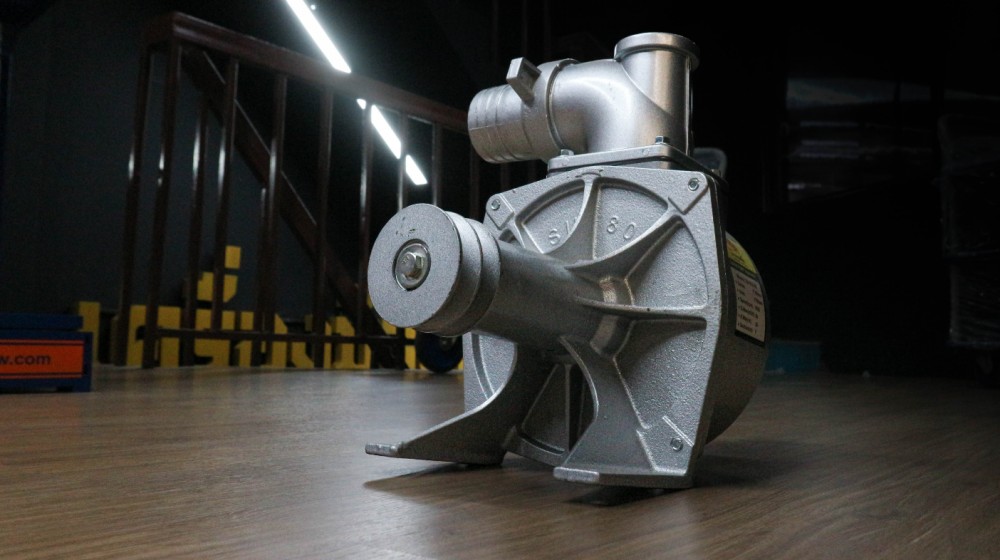
Learn how to install a bare shaft pump properly for both heavy-duty and general applications, covering steps, techniques, and precautions for maximum efficiency and a long service life.
Bare shaft pumps are essential equipment across many industries, but improper installation can lead to major problems. Let's learn how to install a bare shaft pump correctly to ensure your pump operates at peak efficiency and has an extended service life.
This article details how to properly install a bare shaft pump for efficient operation in both heavy-duty and general applications. It explains clear, comprehensive installation procedures, including the selection of appropriate tools and equipment, critical precautions during installation, and post-installation system inspection methods to ensure the bare shaft pump runs smoothly with a long lifespan.
Table of content
1. Importance of Proper Bare Shaft Pump Installation
Proper installation of a bare shaft pump is essential for equipment performance and service life. Improper installation can lead to various problems affecting both the short and long term.
First, proper installation enhances pump operating efficiency. When the pump is properly installed, water or fluid delivery runs smoothly, achieving the desired flow rate while consuming less energy.
Second, good installation reduces wear and tear on internal pump components. When the pump is in a correct and stable position, it reduces stress on the shaft, seals, and other parts, extending equipment lifespan and lowering maintenance and spare parts replacement costs.
Third, correct installation reduces vibration and noise. A poorly installed pump may generate excessive vibration, which not only causes noise but can also damage surrounding structures and piping systems.

2. Equipment and Tools Required for Installation
InstallingCentrifugal Pumps Unitefficiently and safely requires appropriate equipment and tools. Below is a list of essential equipment and tools you need for basic installation work.
1. Open-End Wrench Used for tightening and loosening bolts to secure the pump to the base. An open-end wrench is an indispensable basic tool for bare shaft pump installation.
2. Spirit Level This tool helps ensure the pump is installed on a proper level plane. Level installation reduces vibration and improves pump operating efficiency.
3. Measuring Tape Used to measure distances between the pump and other equipment, as well as to verify that the installation position matches the blueprint.
4. Rubber Mallet Used for carefully adjusting the pump position on the base without damaging the pump body.
5. Screwdriver Used for tightening small screws on various pump components, such as covers or control panels.
These 5 tools and equipment are the most fundamental for installing a bare shaft pump. General technicians can easily find and use them without requiring special skills.
Bare Shaft Pump Installation Steps
Installation Centrifugal Pumps Unit is a process that requires expertise and must be performed carefully and step-by-step according to proper procedures to ensure the pump operates efficiently and safely for operators during use. The installation steps are as follows:
1. Area and Equipment Preparation - Ensure that the installation area is strong enough to support the weight of the pump and motor. Prepare necessary tools such as bolts, wrenches, gaskets, oil seals, etc. Inspect for any damage or defects, and read the installation manual to understand the procedures and requirements.
2. Baseplate Installation - Install the pump baseplate on the installation surface, ensuring that it is level without any tilt. Secure the baseplate firmly with bolts to prevent movement during operation.
3. Pump-Motor Alignment - Place the pump on the prepared baseplate and secure it firmly with bolts. Next, place the motor on the baseplate and fasten it securely. Then, use a dial indicator to align the pump and motor to minimize misalignment.
4. Coupling Installation - The shaft coupling must support the torque and operating speed used in the system. Install the shaft coupling between the pump and motor. Rotate the shaft by hand to check for binding; if any occurs, rectify it before starting operation. Ensure all bolts are tightened securely and not loose, as negligence could lead to hazards during operation.
5. Piping and Electrical Connections - Connect the water inlet and outlet pipes to the pump using gaskets and oil seals to prevent leaks. Route and connect the wiring to the motor according to the manufacturer's manual, prioritizing safety above all.
6. Testing and Final Checks - Start the pump and motor for a test run. First, verify that there are no abnormal noises or vibrations. Next, check that the water pipes and joints have no leaks. If necessary, fine-tune the alignment between the pump and motor to ensure optimal performance.
Techniques for Heavy-Duty Installation
Heavy-duty installations, such as large pumps or heavy industrial equipment, require special techniques and processes to ensure safety and installation efficiency. Assess potential risks during heavy installations, such as falling, unbalanced movement, or accidents from lifting equipment. Select appropriate lifting gear—such as cranes, hoists, slings, or forklifts—capable of supporting the equipment's weight and dimensions. Check the structural integrity of the installation area and the path of the lifting equipment to prevent accidents.
Installation Precautions
In installing Centrifugal Pumps Unit to ensure safe and efficient installation, inspecting the strength and flatness of the installation surface is crucial; an unstable base can prevent the water pump from operating at full capacity and cause hazards as mentioned earlier. In addition, shaft alignment between the pump and motor must be carried out meticulously, because misaligned shafts can cause vibrations and damage to the pump itself as well as other equipment. Securing the shaft coupling and various bolts must be done properly to ensure they are tight, preventing connected parts from coming loose during operation. Furthermore, verify that the piping and electrical systems are connected correctly to prevent leaks and electrical short-circuit hazards. Testing the pump before actual commissioning is an essential final step to ensure the pump operates perfectly without issues arising during real-world use.
Conclusion
Proper installation of a bare shaft pump is key to good operating performance and a long service life. By following the aforementioned steps, paying attention to details, and keeping various precautions in mind, you can install a bare shaft pump with confidence for both heavy-duty and general applications. Don't forget that regular maintenance will also help extend the pump's lifespan.
Other related articles - What is an End Suction Bare Shaft Pump? How is it used?
FAQs
How does a bare shaft pump differ from other types of pumps?
- A bare shaft pump features an overhung shaft without end support, providing high flexibility and making it well-suited for applications requiring good adaptability.
Are specialized tools required to install a bare shaft pump?
- Generally, no, but for heavy-duty applications, additional vibration measurement tools may be required.
How often should pump operation and vibration be checked?
- It should be inspected every 3–6 months or according to the manufacturer's recommendations. For heavy-duty applications, more frequent inspections may be necessary.
What should be done if abnormal noise is detected from the pump after installation?
- You should check alignment, bolt tightness, and vibration. If the issue persists, consult a qualified technician to help evaluate the problem.