


 EN
 ไทย


Customers Also Purchased



How to deodorize safety shoes and clean them properly
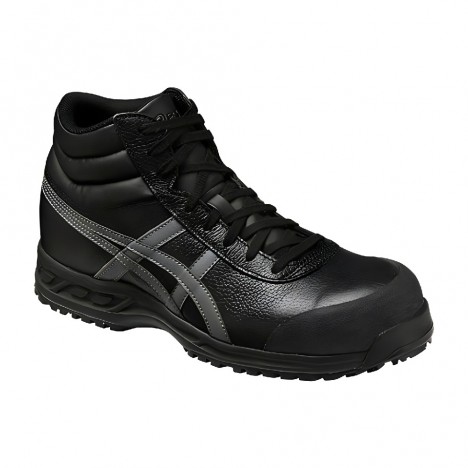
Safety shoesare essential equipment for protecting workers' feet from workplace hazards. However, regular use can lead to unpleasant odors and dirt. Here are methods to properly deodorize and clean safety shoes to extend their lifespan and maintain their protective performance.
Causes of odors in safety shoes Odors in safety shoes are often caused by moisture and sweat accumulated inside, creating an ideal environment for bacteria and fungi to thrive. Sweat produced by the feet during a full day of work can generate significant unpleasant odors.
Using deodorizing products If odors persist in safety shoes, deodorizing products should be used, such as foot deodorant powders or deodorant sprays, which effectively help reduce unpleasant smells. Additionally, deodorizing sachets can be placed inside shoes to absorb foul odors.
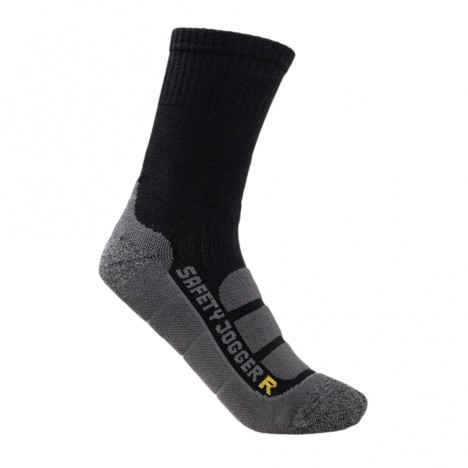
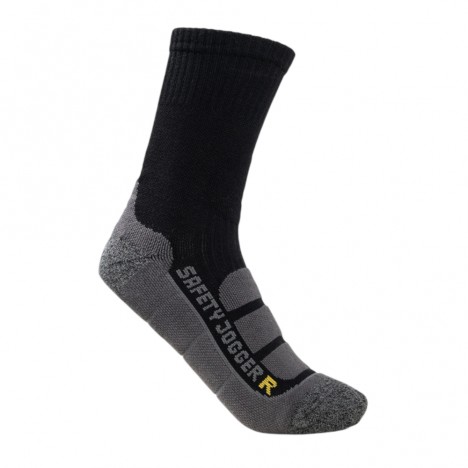
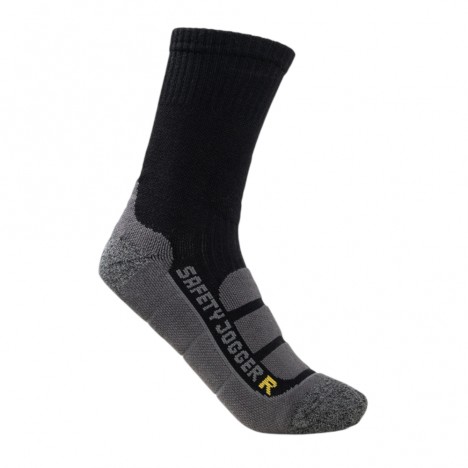
Safety shoe maintenance To keep safety shoes in good condition, they should be stored in a dry place,and cool area. Avoid wearing the same pair every day to allow the shoes time to air out. Wear socks made of breathable materials to reduce moisture inside the shoes.
Using natural methods to eliminate odors
In addition to using commercial deodorizers, natural methods can also be used, such as:
- Placing tea bags or activated charcoal in the shoes
- Sprinkling baking soda inside the shoes and leaving it overnight to absorb unpleasant odors
- Pomelo or lemon peels, which are also highly effective at eliminating odors
- Newspaper: a simple and economical method, as newspaper excels at absorbing both moisture and foul odors
Replacing shoes when necessary
Regularly inspect the condition of your shoes. If you find persistent odors that cannot be resolved or if the shoes begin to deteriorate, consider replacing them with a new pair for proper cleanliness and good hygiene.
Additional tips
During work, rest your feet periodically to allow them to breathe. Additionally, wash your feet with soap and water after removing your shoes to remove sweat and accumulated dirt. Proper careSafety Shoefree from unpleasant odors not only keeps the shoes in good condition, but also keeps your feet clean and promotes good hygiene.

Proper Cleaning of Safety Shoes
To prevent bacteria and fungal buildup, regularly remove the insoles and wash them with soapy water. Additionally, use a brush to clean the inside of the shoes to eliminate any remaining dirt.
1. Remove the insole: Take out the shoe lining/insole to clean it separately. The lining can be washed by hand or in a washing machine.
2. Use a brush: Use a soft-bristled brush to clean the insoles and the interior.
3. Mild soap: Use mild soap to clean various parts of the shoes, avoiding harsh chemicals.
4. Rinse with clean water: Rinse the shoes with clean water to remove soap residue.
5. Air dry: Dry the shoes in the shade or in a well-ventilated area. Avoid direct sunlight to prevent shoe deterioration.
With proper care and cleaningSafety Shoedone correctly, it will not only help prevent unpleasant odors, but also extend the lifespan of your shoes and keep your feet safe in any situation.
Cleaning safety shoes depends on the materials used to make them.
1. Leather Shoes
- Use a brush or a damp cloth to remove dirt stains.
- Air dry at room temperature; avoid high heat.
- Apply shoe polish of the same color as the shoes for maintenance.
- Apply leather conditioner to increase softness and prevent drying out.
2. Suede Shoes
- Use a natural bristle brush to brush away dust once the shoes are dry.
- Use fine sandpaper or a brass suede brush for stubborn stains.
- Use soapy water for general stains; rinse thoroughly to prevent water marks.
3. Synthetic Canvas Shoes
- Clean with soapy water
- Allow dirt to dry before removing
- Air dry in a well-ventilated area, away from heat sources
Cleaning Precautions
- Use a soft-bristled brush to prevent scratching
- Avoid using harsh chemicals, such as bleach or alcohol
- Let shoes dry naturally; do not use hair dryers or other heat sources
Proper care and maintenance of safety shoes helps extend their lifespan, preserve protective performance, and keep the wearer comfortable throughout the workday.
Conclusion
Care and CleaningSafety Shoeis essential and should not be overlooked. In addition to preventing unpleasant odors, it also extends the shoes' lifespan and maintains the wearer's foot health. Furthermore, shoes should be dried in the shade or in a breezy area to prevent deterioration. Simple methods can be used, such as using tea bags, baking soda, odor-absorbing insoles, and airing them out in mild sunlight.