


 EN
 ไทย


Customers Also Purchased
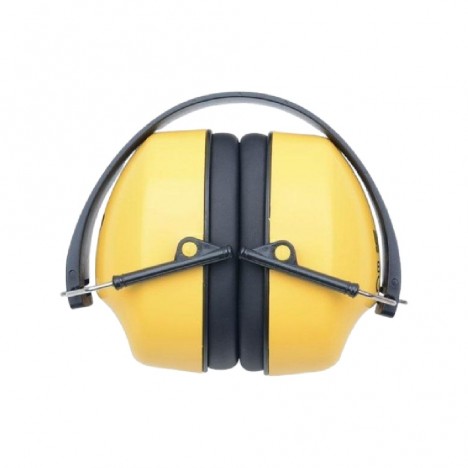
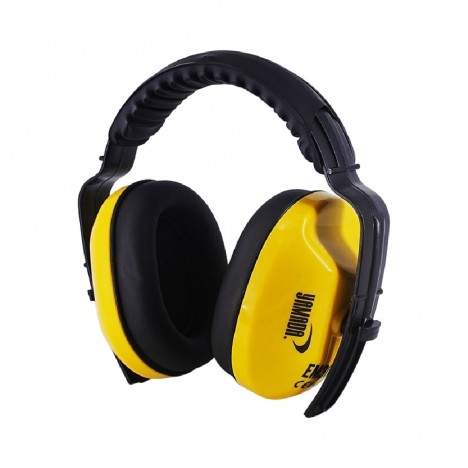
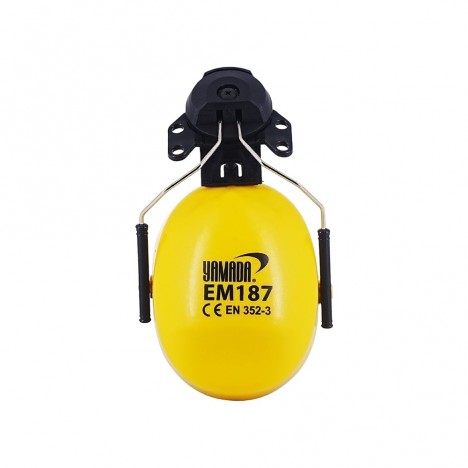
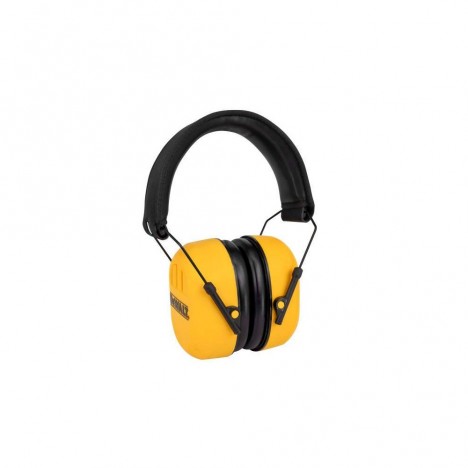

Hearing protection devices, also known as Earmuffs are essential personal protective equipment (PPE) for many people working in consistently noisy industries. Exposure to excessive noise can cause tinnitus or hearing loss. It is crucial to choose the right earmuffs. To help you select what best fits your needs, here is a guide to choosing earmuffs for use.
What are Earmuffs?
Earmuffs are personal protective equipment (PPE) shaped like over-ear headphones that can be adjusted to fit. They are used to protect against extreme noise levels, designed to safeguard ears from noise pollution by reducing excessive sound. Noise levels in a work area of 85 dB or higher are already considered hazardous to our ears.
The Noise Reduction Rating (NRR) of the device is a theoretical evaluation that assesses the protection provided by a given device. The rationale behind rating each hearing protector relates to OSHA and EPA requirements for product safety and reliability. The rating enables users to evaluate the noise attenuation capability in a given work environment.

Features of Earmuffs
Typically, the outer shell is made of rigid thermoplastic, and the interior contains sound-absorbing foam. This foam increases air resistance, absorbs sound waves, and reduces the amplitude of waves entering the ear. The foam ear cushions around the edges work in the same way and conform to the shape of the wearer's head. This fit ensures complete protection around each ear. An adjustable headband provides a snug fit without causing discomfort during extended use.
Electronic models may feature functions such as volume control, Bluetooth connectivity, and built-in communication systems. Some models feature a foldable design for easy storage and portability.


When do you need to wear earmuffs?
Benefits of using hearing protection equipment: protects hearing, reduces the risk of noise-induced hearing loss and tinnitus during work, and ensures compliance with occupational safety regulations in noisy work environments.
Reduces ambient noise interference, improves concentration and work efficiency. Beneficial for both work and recreational activities, noise-reducing earmuffs are suitable for a wide range of industrial applications and are available in various designs to meet specific needs and preferences.
dB levels from lowest to highest
- 30 dB: approximately a typical whisper
- 80 dB: workplace noise
- 90 dB: operating various tools such as grinders and cutters
- 95 dB: operating tools like power drills, sound of wood saws
- 115 dB: auditory nerves after hearing noise in a football stadium; may cause partial nerve damage within 30 seconds
- 120 dB: if you go to concerts frequently, this is it—your auditory nerves can be damaged
- 125 dB: may cause ear pain, such as from firecrackers
- 140 dB: extremely severe, can cause immediate hearing nerve damage, such as gunshots
Earmuffs Crucial for protecting your hearing in noisy environments. Understanding the types, key features, and benefits can help you choose the right hearing protection for your needs. Proper use and maintenance will ensure you get the best protection and comfort.