


 EN
 ไทย


Customers Also Purchased


Discover tips for choosing quality safety equipment for maximum safety in use, covering standards, materials, durability, and expert insights.
Protecting yourself from workplace hazards is something no one should overlook. But do you know if the safety equipment you choose is of sufficient quality? Selecting quality safety equipment not only helps reduce the risk of accidents, but also enhances work efficiency.
Readers coming to this article are likely looking for the best ways to choose safety equipment, and this article will certainly give you the confidence to select quality safety equipment for safe use in every application.
This article will provide knowledge and tips on choosingPersonal Protective Equipmentquality equipment, covering standards, materials, durability, and expert recommendations so that you can select appropriate and safe equipment for your work.
Table of Content
1. The Fundamental Importance of Safety Equipment
2. Types of Safety Equipment
3. Standards and Certifications
4. Materials and Manufacturing
5. Design and Comfort
6. Testing and Maintenance
7. Summary
1. Why Is Safety Equipment Important?
Safety equipment or standardly referred to as Personal Protective Equipment (PPE) Safety equipment is extremely important in high-risk work, as it plays a crucial role in preventing accidents and reducing the severity of injuries that may occur—such as preventing injuries from impacts, slips and falls, cuts, or exposure to hazardous chemicals, reducing the risk of accidents, and more.

2. Types of Safety Equipment
UsingPersonal Protective EquipmentIt is essential for preventing accidents and reducing risks in high-risk work. The categorized types of safety equipment that workers should know and use in various situations are as follows:
Head Protection
- Safety helmet: Used to protect the head from impacts and falling objects, suitable for construction and factory work.
- Protective hat: Used to protect the head from sparks caused by welding or metal cutting.
Face and Eye Protection
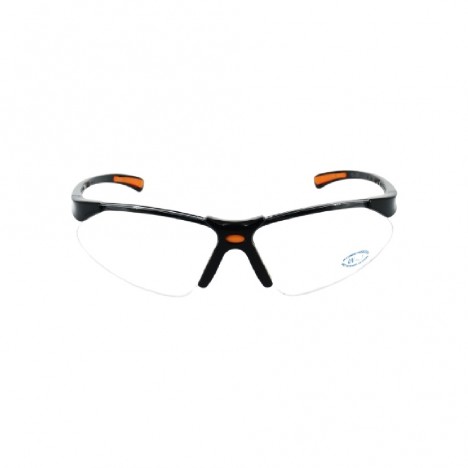
- Safety glasses: Used to protect eyes from dust, airborne particles, and small objects that may fly into the eyes, suitable for woodworking and metal drilling.
- Dust and chemical protection mask: Used to protect the face and eyes from dust and hazardous chemicals.
- Welding mask: Used to protect the face and eyes from spattering sparks and intense light from welding.
Hearing Protection
- Earplugs: Used to reduce loud noise that may damage hearing, suitable for factory work with loud machinery.
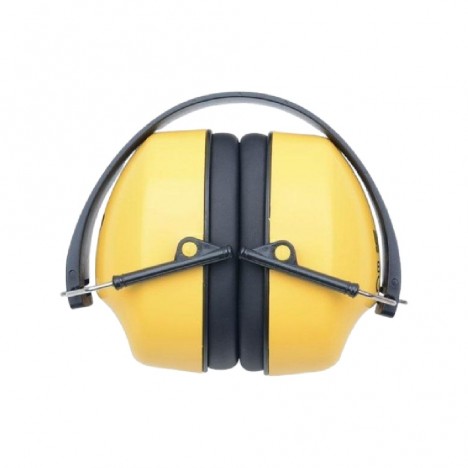
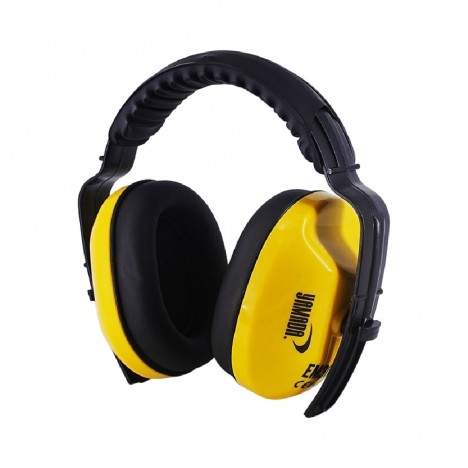
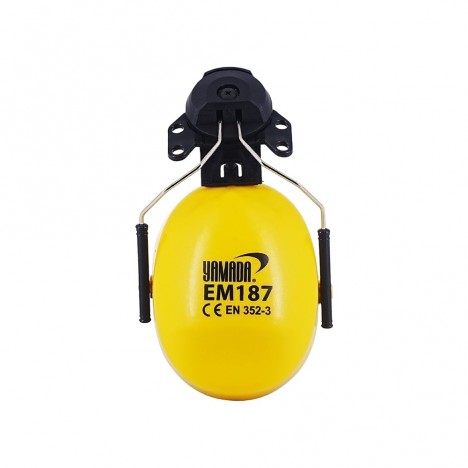
- Ear protection (Earmuffs): Used to reduce loud noise, such as when working with heavy machinery or in construction.
Respiratory Protection
- Dust mask: Used to prevent airborne dust particles from entering the respiratory system, suitable for construction or grinding work.
- Gas mask: Used to prevent inhaling toxic gases or hazardous chemicals.
Hand Protection
- Safety gloves: Used to protect hands from injury or impact, suitable for lifting heavy objects.
- Chemical resistant gloves: Used to protect hands from hazardous chemicals, suitable for working with chemical substances.
- Cut resistant gloves: Used to protect hands from injury caused by using tools or sharp objects.
Footwear Protection
- Safety Shoes: Used to protect feet from impact and falling objects, suitable for construction and factory work.
- Electrical Hazard Boots & Shoes: Used to protect feet from electric shocks, suitable for electrical-related work.
- Non-Slip Shoes: Used to prevent slipping in areas with water or oil, suitable for food processing plants or gas stations.
Body Protection
- Chemical Protective Clothing: Used to protect the body from hazardous chemicals, suitable for working with chemical substances.
- Fire Proximity Suit: Used to protect the body from fire and heat, suitable for work with fire risks.
- Reflective Vest: Used to ensure high visibility in the dark or in low-light conditions, suitable for roadside or traffic work.
Using Personal Protective Equipment appropriate and correct equipment is essential for preventing workplace accidents and injuries. Equipment should be selected based on the type of work and associated risks for maximum safety, and the standards of safety equipment must also be considered, as will be discussed in the next section.

3. Standards and Certifications
Choosing safety equipment that has standards and certifications from reputable agencies is crucial, as it ensures that the equipment has been tested and possesses sufficient quality to protect against hazards. Here are some standards to consider:
International Standards
- ANSI (American National Standards Institute): Standards set by the American National Standards Institute in the United States. These standards cover many types of safety equipment, such as safety helmets, safety glasses, and safety shoes.
- ISO (International Organization for Standardization): An international standards body that establishes manufacturing and safety standards for safety equipment at an international level.
- EN (European Norms): European standards that specify safety and quality requirements for safety equipment, such as EN 397 for safety helmets and EN 166 for safety glasses.
National Standards
- TIS (Thai Industrial Standards): Standards established by the Thai Industrial Standards Institute (TISI) in Thailand, covering the manufacturing and quality of safety equipment used domestically.
- TIS (Thai Industrial Standards): Thai industrial standards that certify the quality and safety of products manufactured and distributed in Thailand.
Obtaining certification from reputable agencies is crucial for quality assurance of safety equipment. These agencies may test and inspect the quality of products before issuing certifications to verify whether they meet the standards.

4. Materials and Manufacturing
The materials used in manufacturing safety equipment directly affect durability and protective performance. You should choose equipment made from high-quality materials, such as impact-resistant plastics or corrosion-resistant materials. Standardized manufacturing processes also ensure equipment safety to withstand impacts and prevent injuries. The design of safety equipment must consider practical use and user comfort. Research and development should be conducted to improve product quality. Every step of the production process should undergo quality testing to ensure that every piece of equipment meets the specified standards.
5. Design and Wearing Comfort
Good safety equipment must not only be safe, but it must also have a suitable and comfortable design to allow users to wear and use it effectively without feeling constricted. Safety equipment must be designed to match its functional purpose; for example, hard hats should have good ventilation and high impact protection, and safety glasses should effectively protect against dust and chemicals. The equipment should be designed in accordance with the nature of the work being performed, such as safety shoes for construction work that must resist impacts and punctures.
Safety equipment should be lightweight so as not to burden the user during tasks that require continuous wear. Materials that do not cause irritation and offer good breathability should be chosen, such as hard hats with soft linings and shoes with cushioned insoles. Safety equipment should undergo real-world usage testing to confirm comfort and protective performance. Certification from reputable organizations is essential to ensure that the equipment is designed to standard and is safe. Read more at Using Hand Tools Safely for Your Own Well-being
6. Testing
Every piece of safety equipment should undergo factory testing before being released for sale. This testing includes checking resistance to impact, compression, puncture, and tolerance to chemicals or harsh environments. Safety equipment certified by reliable organizations, such as ANSI, ISO, or CE, helps ensure safety and performance.
Regarding maintenance, safety equipment should be regularly inspected to detect any damage or wear and tear that may occur. This inspection should include checking straps, cracks, and material degradation. Safety equipment should be cleaned and stored in an appropriate place to prevent deterioration. Cleaning should be done using methods that do not damage the materials, and storage in areas with high humidity or hazardous chemicals should be avoided.
7. Conclusion
Choosing quality safety equipment is essential for safety at work. Considerations should include standards and certifications, materials and manufacturing, design and comfort, durability and lifespan, testing and maintenance, and real user feedback. Selecting quality safety equipment not only enhances workplace safety but also improves work efficiency and comfort. We hope this article provides you with sufficient information to make the right choice of safety equipment that is suitable and safe for every situation.