


 EN
 ไทย


Customers Also Purchased
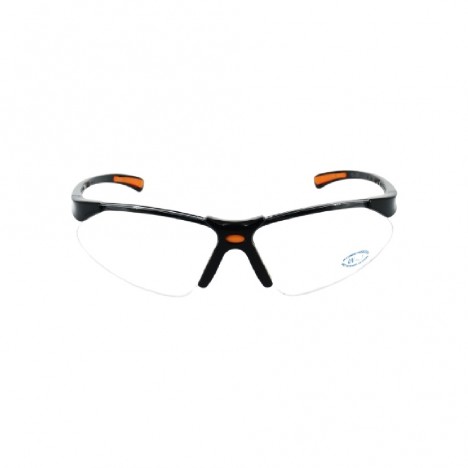
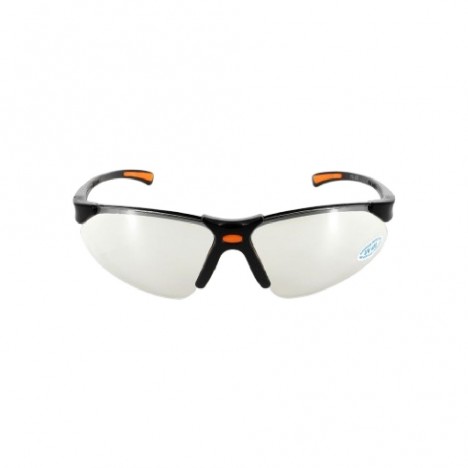
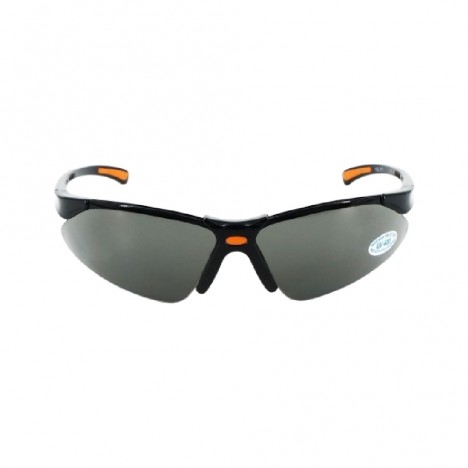
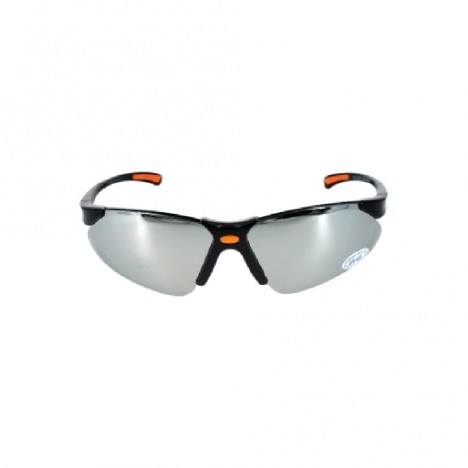
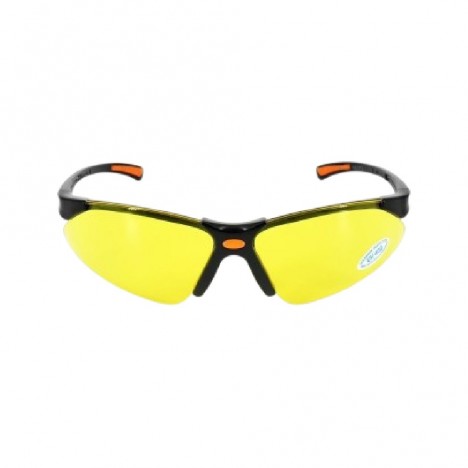

Safety Glasses They are essential for protecting your eyes from various hazards, whether at the workplace or during DIY projects, offering different protective features to keep your eyes safe. Understanding the safety standards that apply to safety glasses ensures you choose the right pair for your needs and comply with necessary regulations. In this article, we will look at key safety standards for safety glasses, including ANSI, OSHA, EN 166, and CSA standards.
What is the ANSI standard?
The American National Standards Institute (ANSI) sets consensus standards for a wide range of products and services, including safety glasses. These standards ensure that safety glasses provide adequate protection against specific hazards.
The most important ANSI standard for safety glasses is the ANSI Z87.1 standard. This standard outlines requirements for impact resistance, optical clarity, and protection against non-ionizing radiation. Safety glasses that meet this standard will bear the "Z87" marking on the frame or lenses of the safety glasses.
To identify safety glasses that meet ANSI standards, look for the "Z87" marking on the frame or lenses. This marking indicates that the eyewear meets the ANSI Z87.1 standard for impact resistance and other protective properties.
OSHA in Eye Protection
The Occupational Safety and Health Administration (OSHA) is responsible for ensuring safe and healthy working conditions. OSHA establishes and enforces workplace eye protection standards, including the use of safety glasses.
OSHA requires employers to provide appropriate eye protection for employees exposed to eye hazards such as flying particles, chemicals, and radiation. Safety glasses used in the workplace must comply with the ANSI Z87.1 standard. OSHA compliance can be ensured by providing safety glasses that meet the ANSI Z87.1 standard and conducting regular training on proper use and maintenance. Regular inspections should be conducted to ensure that safety glasses remain in good condition.

What is the EN 166 standard?
The EN 166 standard is a European standard for eye protection. It specifies requirements for various types of protective eyewear, including safety glasses, to ensure proper protection against diverse hazards. The EN 166 standard covers multiple aspects of eye protection, including optical clarity, impact resistance, and chemical splash protection. Safety glasses that meet this standard are marked with "EN 166" on the frame or lenses.
To identify safety glasses compliant with the EN 166 standard, look for the "EN 166" marking on the frame or lenses. This marking indicates that the safety glasses meet European standards for eye protection.
CSA Standards
The Canadian Standards Association (CSA) sets standards for various products and services, including safety glasses. The CSA Z94.3 standard outlines requirements for eye and face protection devices to ensure adequate protection across different environments. The CSA Z94.3 standard covers requirements for impact resistance, optical clarity, and protection against non-ionizing radiation. Safety glasses that meet this standard will feature the CSA logo and the "Z94.3" designation.
CSA certification ensures that safety glasses meet reliable standards set by the Canadian Standards Association. This certification is particularly essential for workers in Canada and those required to comply with Canadian safety regulations.

Lens Markings
Lens markings on safety glasses provide information about protective properties, such as impact resistance, UV protection, and optical clarity. Understanding these markings can help you choose the right safety glasses.
Lens markings indicate that the safety glasses meet specific safety standards and offer the necessary protection against various hazards. They also help identify features and the eyewear's suitability for different environments.
Common lens markings include "Z87" for ANSI compliance, "EN 166" for European standard compliance, and "UV" for UV protection. These markings allow users to quickly identify the protective qualities of safety glasses.
UV Protection Standards
UV protection is essential for preventing long-term eye damage caused by exposure to ultraviolet radiation. Safety glasses with UV protection help shield eyes from harmful UV rays. UV protection standards are incorporated into ANSI Z87.1, EN 166, and CSA Z94.3. Safety glasses meeting these standards provide adequate UV protection.
When selecting safety glasses for UV protection, look for those marked "UV" or compliant with relevant safety standards. Ensure the glasses provide 99-100% UV protection for maximum safety.
Chemical Splash Protection
Chemical splash protection is vital for workers exposed to hazardous chemicals. Safety glasses with chemical splash protection help prevent harmful substances from getting into the eyes. Chemical splash protection standards are integrated into ANSI Z87.1, EN 166, and CSA Z94.3. Safety glasses meeting these standards offer effective chemical splash protection. When choosing safety glasses for chemical environments, look for those with side shields and splash guards. These features enhance protection against chemical splashes.
Anti-Fog and Anti-Scratch Standards
Anti-fog and scratch-resistant features and lifespan of Safety Glasses Anti-fog coatings prevent lenses from fogging up, while anti-scratch coatings help protect against abrasions. Standards for anti-fog and scratch-resistant coatings are incorporated into ANSI Z87.1, EN 166, and CSA Z94.3. Safety glasses with these coatings provide clear vision and durability. Popular safety glasses featuring anti-fog and anti-scratch qualities include the 3M Virtua CCS, Pyramex I-Force, and Uvex Genesis. These models offer reliable performance across various environments.
Conclusion
Understanding the various safety standards for safety glasses—such as ANSI, OSHA, EN 166, and CSA—is crucial to ensuring adequate eye protection. These standards cover aspects such as impact resistance, UV protection, chemical splash protection, and more.
► How to Properly Maintain Safety Glasses for Optimal Performance