


 EN
 ไทย


Customers Also Purchased


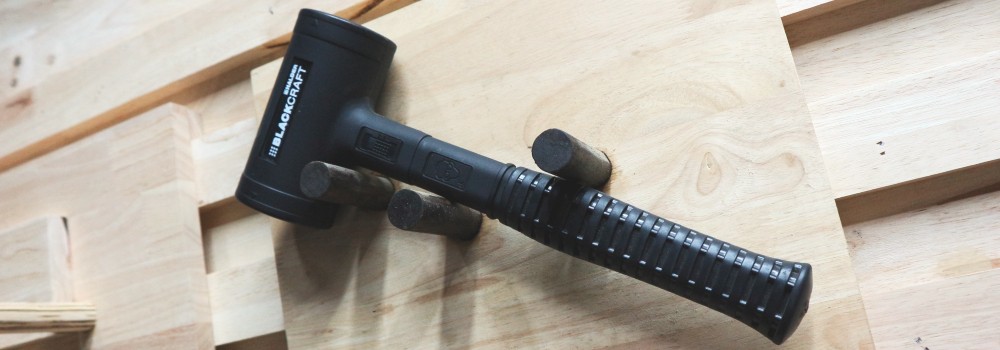
Have you ever wondered why some hammers don't rebound when struck or hammered? Nor do they cause excessive vibrations that damage workpieces or create disruptive noise. We call this type of hammer a dead blow hammer, suitable for all kinds of professional work.
So, what is a urethane dead blow hammer? Today, we will share information about the best hammer for craftsman tasks. The dead blow hammer is an excellent choice, equipped with features that make it suitable for a wide variety of applications. This article will answer all your questions and provide in-depth information about this type of hammer.
Purpose of the Article
This article aims to help readers understand the properties and applications of dead blow hammers in various trades, as well as the benefits of this hammer type compared to standard steel hammers, building knowledge and confidence in choosing the most suitable tool for your work.
Disclaimer
The information and content presented in this article are provided for general informational purposes only. It is not intended to serve as professional advice or replace recommendations from any expert. Readers should consider and exercise discretion when making decisions based on the information appearing in this article. Readers are advised to seek further study in relevant fields to obtain accurate and appropriate guidance tailored to each specific situation.
Table of Contents
1. What is a urethane dead blow hammer?
2. Special features of urethane dead blow hammers
3. Benefits of using a dead blow hammer in craft and trade work
4. Comparison with Standard Steel Hammers
5. Pros and Cons of Dead Blow Hammers
6. Applications and Examples of Using Dead Blow Hammers
7. Key Takeaways
8. Frequently Asked Questions (FAQ)
9. References
1. What is a Urethane Dead Blow Hammer?
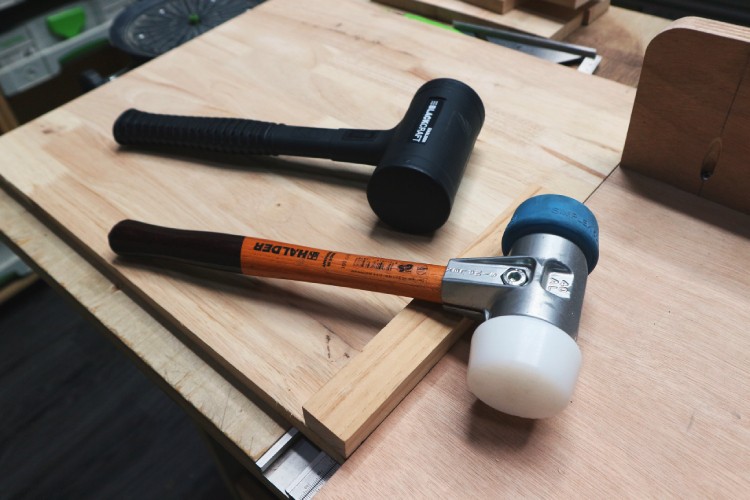
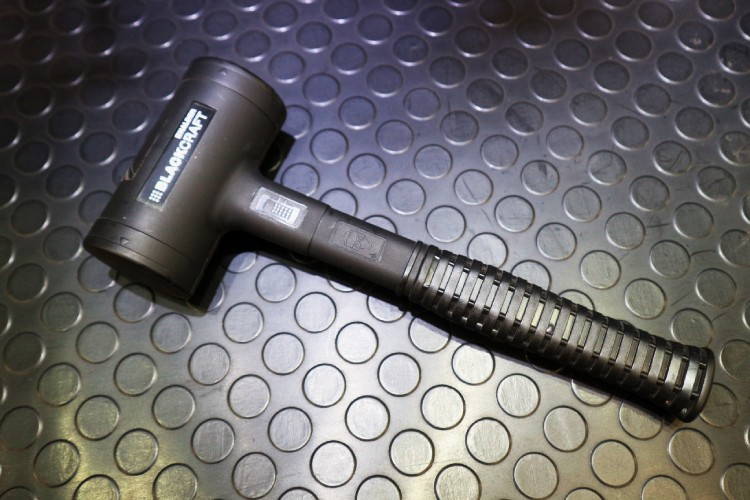
A dead blow hammer, or urethane hammer, is a hand tool designed to minimize rebound during impact. This prevents shock from rebounding back into the user's hand or transferring excessive force onto the workpiece. In addition, this type of hammer features unique properties distinct from conventional hammers, as its head is made from resilient plastics such as polyurethane or ultra-high-molecular-weight polyethylene (UHMW), which absorb shock and eliminate bounce-back [1]. It is also highly durable, lightweight, robust, and capable of withstanding heavy impact.
2. Construction of a Urethane Dead Blow Hammer
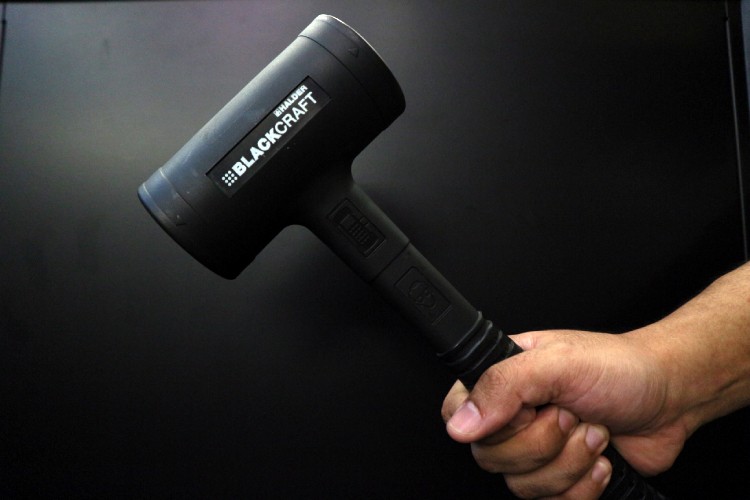
Urethane dead blow hammers were developed to overcome the issues associated with traditional hammers, which frequently rebound upon strike, causing user fatigue and risk of injury. By incorporating urethane materials into the hammer head, it gains distinct properties with main structural components including:
1. Hammer Head The hammer head is made of urethane, which is elastic and wear-resistant. It also disperses impact force effectively, minimizing rebound.
2. Handle The handle is typically made from sturdy materials such as steel or fiberglass and is wrapped in a soft material like rubber for a comfortable grip and reduced fatigue.
3. Internal Weighting (Sand/Shot) In some models, internal weights such as sand or steel shot are embedded inside the hammer head to further enhance rebound suppression.
This type of hammer offers several specialized characteristics that make it highly effective in use and widely popular across various trades.
3. Benefits of Using a Urethane Dead Blow Hammer
Due to the unique properties of urethane material—such as high durability and excellent elasticity—this hammer offers numerous benefits that make it popular in a wide range of trade applications, such as:
- Anti-rebound: This hammer is engineered to eliminate rebound felt in the user's hand upon impact, providing greater precision and reducing the risk of injury.
- Durability (Wear resistance): Urethane material is highly durable, allowing the hammer head to withstand heavy use without easily getting damaged or worn down.
- Elasticity and impact absorption (Shock absorption): It also features shock-absorbing properties, reducing the recoil force transmitted back to the user's hand.
- Non-marring surface: The hammer head does not scratch or damage the surface of the struck material, making it ideal for use with materials that require high care.
- Lightweight and easy to handle: This type of hammer is often lighter than conventional hammers, making it easy to use and reducing hand and arm fatigue.
- Versatility: Suitable for use in a wide variety of technician tasks, whether woodworking, metalworking, machine assembly, and more.
4. Comparison with Conventional Steel Hammers
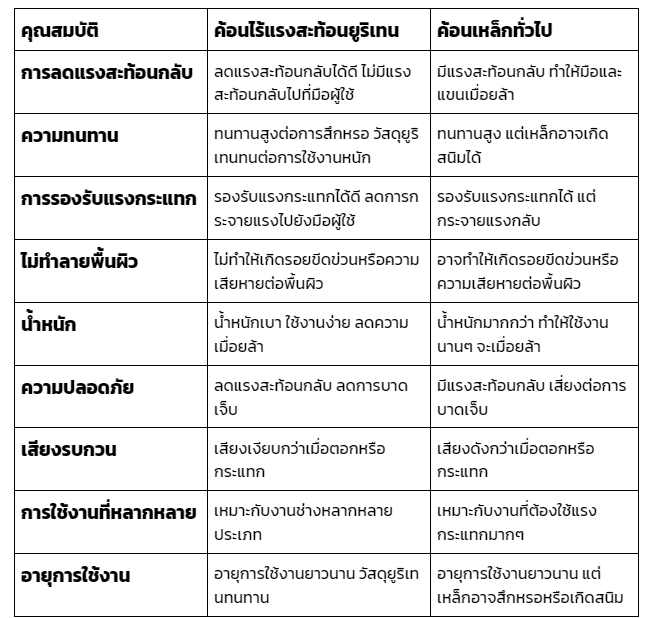
Hammers This type has several advantages that make it popular in mechanical and crafting work, especially in reducing rebound force and preventing surface damage. In contrast, conventional steel hammers are durable and strong, but have high recoil force and can cause scratches on the struck materials.
5. Pros and Cons of Dead Blow Hammers
Understanding the advantages and limitations can help you make a better decision when choosing your equipment, as follows:
Pros
- Reduces recoil force and distributes force evenly
- Prevents damage to the workpiece surface
- Does not generate much noise
- Lightweight, easy to grip and hold, reduces hand fatigue
- Does not cause injuries from heavy, repetitive work
The downside
- Delivers less striking or hammering force, making it unsuitable for demolition work
- Relatively higher price compared to other types of hammers
- Does not perform very well on materials such as polymer sheets and cement
6. Application Examples of Urethane Hammers in Various Tasks
Dead blow hammers have special properties that make them popular across a wide variety of applications, such as woodworking, metalworking, automotive repair, construction, arts and crafts, or electrical appliance installation and assembly. Thanks to the durability and elasticity of urethane material, this type of hammer is ideal for tasks requiring high precision and safety, such as:
- Woodworking
The hammer can be used for driving nails to prevent scratches or damage to wood surfaces, or for assembling furniture components that require precision without damaging the surface.
- Metalworking
Used for adjusting and shaping metal parts to prevent dents or scratches, or for assembling delicate parts while protecting the metal surface from damage.
- Automotive Repair
Use the hammer to tap spare parts or various components without causing damage, dents, or harming the vehicle body.
- Construction
Such as using the hammer for tapping tiles to prevent cracking or scratching, or for assembling wood or metal structures that require precision.
Hammers Urethane hammers are useful and versatile tools suitable for a wide range of tasks. With special features that reduce recoil and prevent material damage, they allow users to work more efficiently and safely.
Things to Know
An important point when using it is to avoid striking excessively hard and sharp materials, such as concrete and hardened steel. Prolonged use on hard surfaces can wear down the hammer's soft face and shorten its lifespan.
Key Takeaways Summary
Urethane dead blow hammers are hand tools with many special qualities, making them popular and well-suited for a wide variety of tasks with high precision and safety. In addition, dead blow hammers are lightweight, easy to use, and reduce fatigue from prolonged work. Compared to standard steel hammers, they offer several advantages, especially in reducing recoil and preventing material damage. Urethane hammers are also quieter when striking or impacting, and they can be used across various applications—from woodworking, metalworking, automotive repair, and construction, to arts and crafts. They are truly the ideal tool for anyone seeking precision and safety in any type of craftsmanship.
Other Related Articles - Tips for Proper Hammer Usage
Frequently Asked Questions (FAQ)
1. What types of materials can a urethane dead blow hammer be used on?
- It can be used on a wide variety of materials, such as wood, metal, plastic, and ceramic, because it does not scratch or damage the surface of the workpiece.
2. How durable is a urethane dead blow hammer compared to a standard steel hammer?
- Urethane can withstand heavy-duty use and has a lifespan comparable to standard steel hammers, but it is not suitable for demolition work because the hammer disperses force, making demolition slower.
3. How should a urethane dead blow hammer be maintained?
- Maintenance is simple: just clean the hammer head and handle after use, and store it in a dry, safe place to prevent material degradation, avoiding exposure to chemicals that could deteriorate the material.
References
[1] What is a dead-blow mallet? URL: https://www.woodmagazine.com/tool-reviews/hammers-mallets/what-is-a-dead-blow-mallet | 26/06/2024