


 EN
 ไทย


Customers Also Purchased
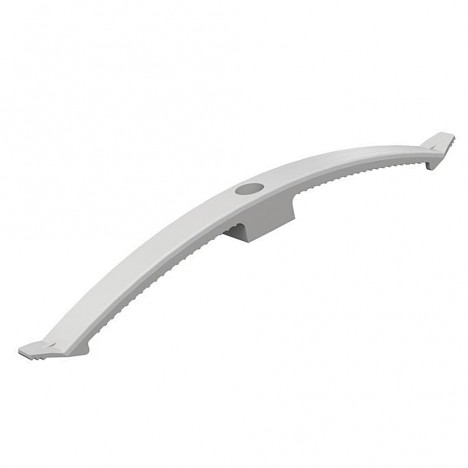




Currently, there are Cable Tie many types of cable ties available to choose from. Each type of cable tie must withstand different temperatures, while some types can be safely used for heavy-duty applications in terms of environmental resistance and tensile strength. Therefore, you can choose the cable tie that suits the requirements of your job.
What are cable ties used for?
First, let me take you back in time a bit. Have you ever wondered who invented the cable tie? Maurus C. Logan, born in Scotland and working at Thomas & Betts, invented the cable tie in 1958. He came up with the idea while visiting an aircraft manufacturing facility, observing how difficult and complicated the wiring work was, requiring thousands of feet of cable to be bundled by hand with wax-coated braided nylon cords, which resulted in deep cuts and thick calluses on the workers' hands. This is an example of a simple invention that had a profound impact on life.
Today, cable ties are fasteners that bundle your various cables and wires together to organize them and prevent damage. They come in many sizes, lengths, materials, and even colors. The use of cable ties varies across industries, but what they all have in common is that they are the most effective way to manage your cables.

Why are there so many types of cable ties?
Cable ties are multifunctional. They are not only for tying cables as their name suggests. Although their ultimate purpose is to manage and organize wires and cables, their versatility makes them useful for a wide range of other applications.
Standard cable ties are commonly seen in applications such as organizing computer cables. Stronger types can be found on construction sites, in auto repair shops, hospitals, and in horticultural gardens to support plant growth. Today, they are an essential tool in many modern businesses for safety and organizational purposes in the workplace. Using the right cable tie in terms of color, material, and tensile strength is extremely important for both industrial users and DIY enthusiasts.
► Choose the Right Cable Tie for Your Application
Common Materials for Cable Ties
The material of cable ties plays an important role in determining which tasks are suitable for your application.
Nylon Cable Ties
Nylon cable ties offer high strength along with good resistance to heat and abrasion. They are also resistant to most fuels and chemicals. Nylon 6/6, the most frequently used grade for cable ties, meets UL94 V-2 flammability ratings and can operate in temperatures as low as -40°F. Typically, the melting point of nylon cable ties is 185°F.
Nylon cable ties can be heat-stabilized for continuous or extended exposure to temperatures up to 250°F. The manufacturing process can also produce UV-stabilized ties for outdoor use. For example, you can have the same style of cable tie, but manufactured for different applications.
Polypropylene (PE)
If you are looking for chemical-resistant cable ties, consider polypropylene (PE). It resists acids, polyhydric alcohols, neutral salts, and basic salts, making it a better choice than nylon in this regard. It has lower tensile strength than nylon 6/6, but it is also more flexible. Polypropylene can also withstand UV rays.
Low-Density Polyethylene (LDPE)
Low-density polyethylene (LDPE) is characterized by high ductility and below-average tensile strength. As a cable tie material, it is not commonly used. However, it stretches and conforms well to surfaces, and offers excellent chemical resistance to dilute and concentrated acids, alcohols, bases, and esters, making it useful. For these reasons, it is often used for ties intended to bundle cables temporarily.
Stainless steel
Stainless steel cable ties provide high tensile strength. They can also withstand extreme temperatures ranging from –328°F to 1000°F. There are two types of stainless steel used in cable ties: 304 and 316. Type 304 is used for general purposes both indoors and outdoors. When corrosion is a threat, you want Type 316.

Common Applications for Cable Ties
Once you understand the differences in materials, let's look at their applications. It might also help to read about cable management.
Electronic and Electrical Engineering
Cable ties are indispensable in the electronics and electrical engineering fields. They are used to bundle various wires together to keep wiring systems neat and organized. This not only reduces clutter, but also prevents wire entanglement and damage. In addition, cable ties are used to secure electronic components, ensuring stability during vibration or transport.
Construction Industry
In the construction industry, cable ties are an ideal choice for organizing various cables and conduits, effectively bundling different types of lines together to make maintenance and repairs easier to manage. Furthermore, cable ties are used on construction sites to fasten and temporarily secure building materials, helping to enhance work efficiency.
Automotive Maintenance and Customization
Cable ties are widely used in automotive maintenance and customization. They help securely fasten wiring harnesses and hoses, reducing friction and damage to automotive components caused by vibrations. Car enthusiasts also use cable ties for custom modifications—from seat belt covers to wire management—making them ubiquitous in the automotive world.

Daily Life Uses
In the home and everyday life, cable ties are valuable for organizing, maintenance, and repairs. They can be used to bundle and fix cords on household appliances, support garden plants, or maintain bicycles. They also help organize kitchen utensils, declutter belongings, and make temporary fixes.
Arts and Crafts
Cable ties have creative applications in arts and crafts projects. Artists and crafters use them to create sculptures, abstract art, and decorations. With cable ties available in various colors and sizes, creative possibilities are virtually endless.
Inventory Management and Organization
Whether in a warehouse or an office, cable ties are an essential tool for organizing, categorizing, and managing various items. They can be used for bundling documents, labeling products, and tidying messy cables, increasing efficiency and neatness.
Cable Tie It is a simple yet versatile tool that plays a vital role across various industries. It not only boosts efficiency but also ensures safety and consistency within organizations. Whether used at home or in the workplace, cable ties are a reliable partner you cannot do without.