


 EN
 ไทย


Customers Also Purchased



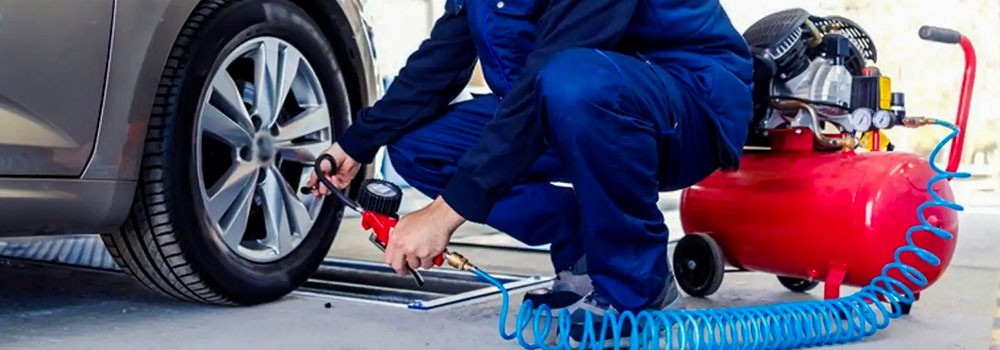
An automotive shop must certainly have Air Pumps on hand for use. Moreover, they are widely used in assembly, maintenance, repair, detailing, and more. Stability, cleanliness, and quality are also essential for various applications, from small jobs like powering pneumatic tools to large-scale tasks like vehicle lifting and automotive painting. Air compressors are considered the most fundamental equipment for automotive facilities, yet they play a crucial role. Energy-efficient air compressors help ensure smooth operations and maximum efficiency.
Understanding Air Compressors
An air compressor is an essential tool in the automotive industry, serving as a power source for a wide variety of pneumatic tools and increasing efficiency. Whether you are a professional mechanic or a DIY enthusiast, understanding how to select and use the right large air compressor can significantly impact your work efficiency. An air compressor is a device that converts power into pneumatic energy stored in pressurized air. This air can be released in a controlled manner to power various tools and equipment.
Required Air Compressor Specifications
An air compressor is an essential tool for efficient continuous use. But first, there are technical terms you need to know regarding air compressor operation. We explain these below to help you understand what each one means.
CFM - Cubic Feet per Minute: refers to the volume of air in cubic feet moved per minute.
FAD – Free Air Delivery: the volume of compressed air delivered by the air compressor from the compression process, which is typically less than CFM.
PSI - Pounds per Square Inch: measures the amount of pressure exerted on an area of one square inch.
HP – Horsepower: measures the operational capacity of the motor or engine driving the air compressor.
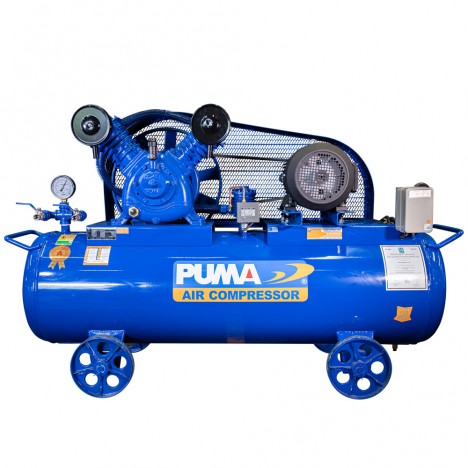
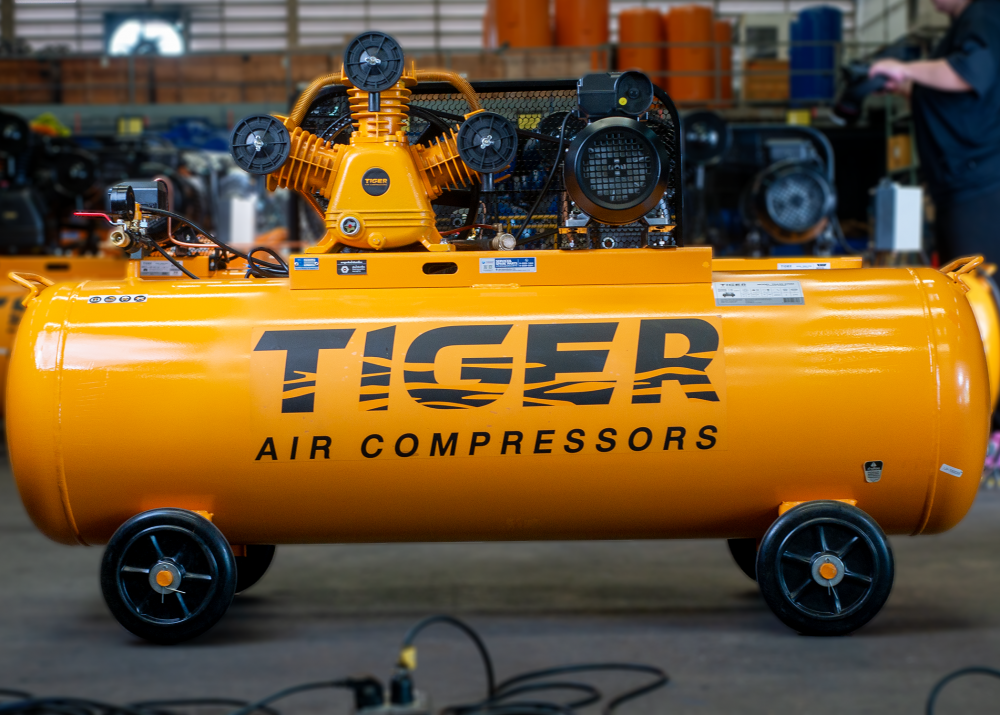
A 1-stage air compressor provides about 1 CFM/HP, while a 2-stage air compressor provides about 4 CFM/HP. Popular choices among professionals are rotary screw air compressors and belt-driven air compressors. The reason these options are favored in automotive shops is that they are generally more efficient and can handle the high air volume required by paint sprayers.
Many automotive shops choose rotary compressors and belt-driven compressors because they have three-stage motors that offer better compression efficiency. Meanwhile, reciprocating compressors operate with a single-piston motor, which can vibrate more and tends to be louder. They also provide less powerful compression, making them unsuitable for painting large areas or completing tasks that may take longer.
Factors to Consider
Therefore, the next thing to consider is the essential features you need the air compressor to perform. Below, we introduce the key considerations when deciding which type of air compressor to buy for your automotive shop.
size
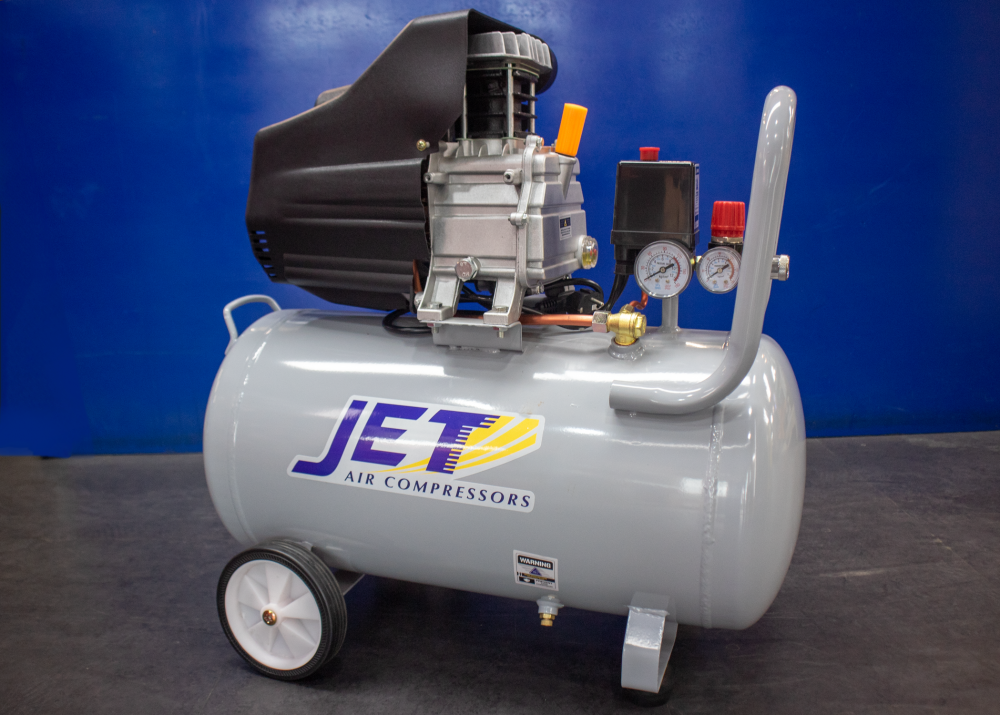
The tank size of an air compressor is an important consideration as it affects equipment performance and various processes. A larger tank allows for continuous use over long periods without the need to refill. However, a smaller tank slows down the painting process, as you may have to refill the tank more frequently when compressed air runs out.
Cost
Cost is an essential factor to consider when purchasing equipment for your automotive shop. It is necessary to balance both your budget and your needs when considering the price of an air compressor.
Capacity / Flow Pressure
The required flow pressure depends on the task at hand. For example, lower flow pressure is often sufficient for painting small panels with adequate dwell time between coats, as it can provide enough CFM to paint the area before the equipment needs to build pressure for the next task.
However, in most cases, automotive professionals require higher FAD or flow pressure because it delivers more CFM; thus, pressure can flow longer and allow you to handle a wide range of spray painting jobs.
For best results, it is recommended to choose a compressor with a capacity of up to 20 CFM, as most automotive repair professionals work with high-quality high volume low pressure (HVLP) spray guns. A high volume of air relative to cubic feet helps achieve the highest quality finish. Typically, CFM ranges between 10 and 15 if possible.
Benefits of Using Air Compressors in the Automotive Industry
When it comes to pneumatic systems, those powered by air compressors are critically important in automotive systems.
Assembly Line Efficiency
Air compressors power pneumatic tools such as impact wrenches, air sockets, and more, which are widely used on automotive assembly lines. These tools make fastening nuts, bolts, and various components faster and more precise. As a result, vehicles roll off the assembly line with consistent quality and reduced defects.
Consistent Spray Painting
Air compressors are also an essential part of the automotive painting process. They supply the air required for spray guns, ensuring a uniform and flawless paint finish.
Tire Inflation
Every vehicle requires proper tire inflation for safety and performance. Automotive shops rely on air compressors for fast and accurate tire inflation. For example, in auto racing, where tire changes count in seconds, air compressors are critical in the pit lane to ensure tires fit the vehicle optimally.
Metal Fabrication and Welding
Air compressors power cutters, sanders, and other tools. For welding in automotive body shops, they help shape and weld metal components, as well as ensure the vehicle's structural integrity.
Conclusion
Choosing Air Pumps Choosing the right one for automotive work involves understanding your specific needs, evaluating key features, and considering your budget. By selecting the right air compressor model, you can boost efficiency and tackle a wide variety of automotive jobs with ease. Whether you are a professional mechanic or a DIY enthusiast, investing in a quality air compressor is a decision that pays off in the long run.