


 EN
 ไทย


Metal welding is a skill used across many manufacturing and construction industries. Working with it requires adequate skill and experience in metal welding. Knowing the types of metal welding machines is also essential, as there are many types and formats, each with different features depending on the application and materials to be welded. In this article, we will get to know electric welding machines in detail to help you understand their features and benefits, enabling you to choose the electric welding machine best suited to your work and needs with maximum precision.
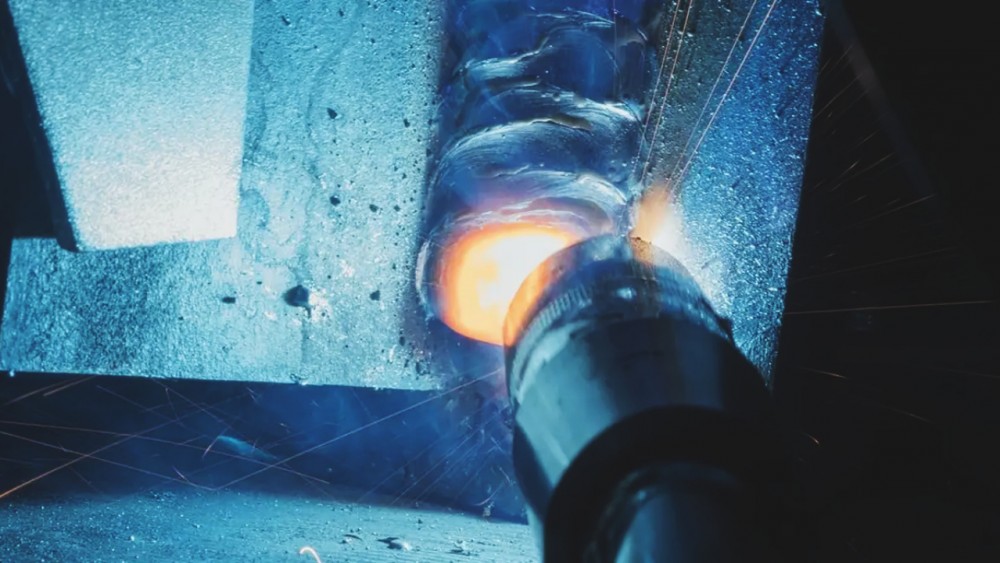
How Electric Welders Work (Electric welding methods)
The principle ofElectric welding machinesThe principle lies in using electric current to generate high heat sufficient to melt the welding wire/electrode and the base materials together. Electric current flows through the welding wire and the workpiece material. The generated heat melts the materials, fusing them together upon cooling. Electric welding is an efficient method for manufacturing and repair in various industries, such as automotive, shipbuilding, and building construction. This welding method enables faster production and higher quality. Electric welding also reduces material waste and lowers production costs by making the welding process efficient and safe.
Key Advantages of Electric Welding
Electric welding is one of the most common welding methods and offers numerous benefits to users. It serves as the primary method used across industry, construction, and general manufacturing due to several distinct advantages, including:
1. Speed (Higher Production Rates)
Electric welding processes typically offer higher production rates than other methods. Generally, this type of welder does not require preheating before use and generates more heat, which helps complete welds faster. Setup also takes less time than gas welding, as there is no need to adjust gas torches and regulators beforehand.
2. Consistency
Welding with an electric welder makes it easier to achieve consistent, high-quality weld beads. The consistent weld quality stems from the extremely high temperatures electric welders can produce compared to other processes, resulting in better weld fusion and deeper penetration into the workpiece.
3. Efficiency
Electric welding offers high operational efficiency in terms of both speed and performance. It is generally faster than other welding methods and incurs lower long-term costs because there is no ongoing expense for shielding gas. The ability of electric welding machines to generate high heat significantly improves performance, boosting welding speed while minimizing the risk of distortion in the materials being welded.
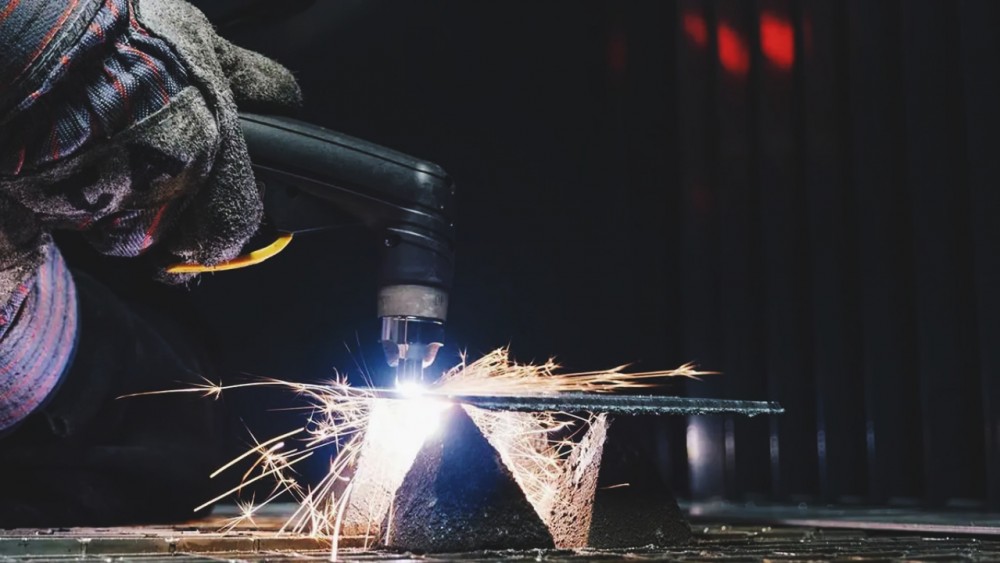
Types of Electric Welding
Electric welding machines How many types are they divided into? Currently, electric welding is primarily divided into 4 main methods: Gas Metal Arc Welding (GMAW), Gas Tungsten Arc Welding (GTAW), Shielded Metal Arc Welding (SMAW), and Flux-Cored Arc Welding (FCAW).
1. Gas Metal Arc Welding (GMAW) Metal Inert Gas (MIG) welding and Metal Active Gas (MAG) welding use a constant voltage to generate heat from direct electric current. It melts the metal while the operator continuously feeds welding wire, and it produces an inert gas shield over the weld surface to protect the weld puddle from contamination and prevent iron oxidation, which could degrade weld quality.
2. Gas Tungsten Arc Welding (GTAW) Gas Tungsten Arc Welding (GTAW) is a welding process used for thin and high-strength materials such as stainless steel, tungsten, steel, and materials that can be welded using hydrogen or argon gas. GTAW welding produces less slag, minimizes material distortion, and reduces uneven weld beads. However, it is a slower process because the filler rod must be fed gradually, and it is not suitable for outdoor welding because wind can blow away the shielding gas, leading to incomplete shielding and making weld quality difficult to control.
3. Shielded Metal Arc Welding (SMAW) This method relies on a flux-coated electrode over the weld seam. The electric current discharged from the power source generates heat at the tip of the electrode, melting and joining the metals together. Once welding is complete, the workpiece is protected by the slag formed from the flux coating on the electrode, preventing oxidation and enhancing weld strength. However, the welder must be skilled in controlling the process to achieve optimal, high-quality results.
4. Flux-Cored Arc Welding (FCAW) Flux-Cored Arc Welding (FCAW) is a welding process that uses a tubular wire with a hidden internal flux core to fuse metals together. In this process, the weld is formed by melting the filler wire and base metal, while gas generated by the flux core protects the weld pool from atmospheric particles and contaminants. FCAW is commonly favored for applications requiring high speed and efficiency, such as large-scale industrial fabrication or outdoor jobs demanding fast project turnaround.
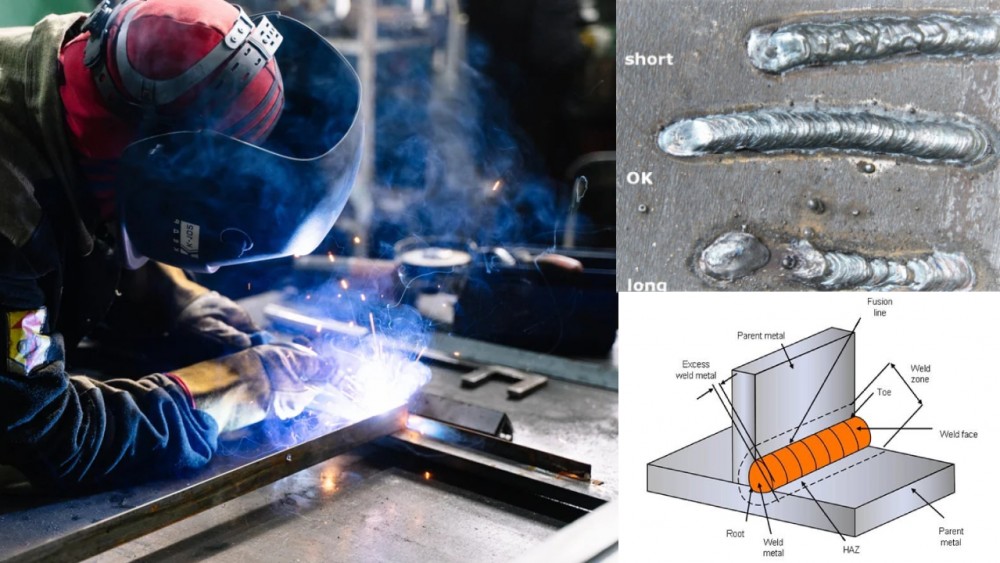
Differences Between Electric Welding Machines and Other Types of Welders
Electric welding machinesElectric welding machines and other types of welders differ significantly in their primary joining methods and the energy sources used. Electric welders use electric current to generate the heat required to melt and securely fuse materials together. Other welders may utilize different joining techniques, such as gas welding (e.g., oxy-fuel or argon-assisted processes) or melting materials via other thermal methods to fuse them firmly. In certain applications, electric welding machines can offer higher efficiency and joining speed than alternative welders, though this ultimately depends on the material type and the complexity of the welding task.
What Applications Are Electric Welding Machines Suitable For?
Electric welding machines can be used with a wide variety of materials, such as steel, stainless steel, aluminum, and more, making them ideal for tasks requiring the joining of diverse metals. With excellent control over current and heat, they are well-suited for welding jobs demanding precise control and accurate results. Electric welders are also convenient, easy to adjust, and simple to operate, making them great for use in tight spaces or where mobility is needed. Furthermore, portable electric welders can be powered by generators when working in remote areas without grid electricity.
Electric arc welding offers great convenience, versatility across multiple materials, and good tolerance to vibration, whereas other welding processes—such as TIG, MIG, and Plasma Arc—are better suited for specific applications and materials, for example: TIG ideal for jobs requiring high precision, and MIG Welding Machine ideal for applications demanding speed and efficiency. Therefore, choosing a welding machine depends on the nature of the task and the requirements of the user.
Conclusion
When choosing an electric welding machine, several factors should be considered, such as the type of welding work, machine efficiency, ease of use, safety, price, and overall value. Understanding electric welding machines in detail will help you select the right unit for your specific work and requirements with precision and confidence.
- Related Articles - 5 Tips for Perfect Welder Operation