


 EN
 ไทย


Customers Also Purchased


Water Pumps It is an essential piece of equipment for water usage in work and daily life. Many long-time users often encounter pump operation issues and may not be cautious or take preventive measures in time, as various factors can cause malfunction or damage, such as weather conditions, operating duration, or damage to the pump itself. Today, we will discuss the causes and symptoms so that you can recognize signs of impending problems and address them promptly, ensuring safe operation and extending the lifespan of your water pump.
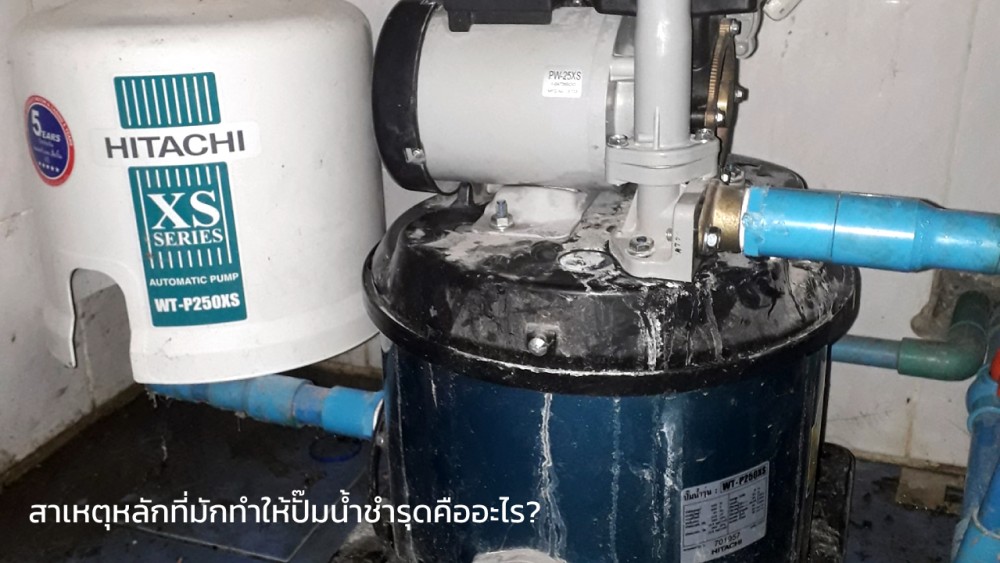
What are the main causes of water pump damage?
Water PumpsIt is an essential piece of equipment for delivering water to various locations, such as homes, buildings, or factories, but unexpected breakdowns often occur. The primary causes of water pump failure may stem from improper use, accumulation of debris in the system, or chemical corrosion, as well as other causes such as:
1. Lack of proper maintenance
Proper maintenance is a crucial factor influencing water pump breakdown issues. Pumps require regular maintenance and servicing to function correctly, just like any other tool. Neglecting proper maintenance can lead to pump failure in the future, as routine upkeep helps minimize potential damage caused by debris accumulation or other issues that may arise in the water pump system.
2. Foreign debris
Foreign objects such as dirt, gravel, or stones can enter the pump and cause damage or clogging. This can lead to pump failure or even damage the piping system, because the buildup of foreign matter inside the water pump can lead to severe operational issues for both the pump and the entire piping system.
3. Damaged or worn components
Moving parts within the pump wear out over time and must be replaced. Failure to replace them according to the manufacturer's schedule can cause unexpected pump failure. Replacing worn components on schedule is essential to keeping the pump operating stably and efficiently according to standard specifications.
4. Improper installation
InstallingWater Pumpsfollowing the manufacturer's instructions is essential, as incorrect installation can lead to malfunctions and pump failure. Adhering to the guidelines minimizes risks, ensures efficient operation, and also helps
5. Substandard pump quality
Using a low-quality pump can cause a variety of problems, including operational malfunctions. Therefore, you should always source your pumps from reliable manufacturers to prevent issues and ensure efficient, dependable pump performance.
6. Overheating
Overheating is one of the most common causes of pump failure. It can result from various factors, such as improper installation, insufficient lubrication, or foreign objects blocking the cooling fins. Inadequate temperature control can lead to excessive heat inside the pump, damaging its internal components.
7. Vibration levels
Excessive vibration can damage internal parts and cause the pump to malfunction. These vibrations typically stem from alignment issues, mounting defects, or even pump overloading. The resulting vibration directly affects the pump and can cause complex internal damage over the long term.
8. Cavitation
Cavitation is a condition where vapor bubbles form within the liquid being pumped. This can damage the pump and ultimately lead to failure. Cavitation can occur when fluid flow is insufficient or when the piping system is improperly configured. The effects of cavitation can be hazardous to the pump, causing severe damage.
9. Corrosion
Corrosion can cause internal damage to the pump and lead to failure. Typically, corrosion occurs when the pumped fluid is corrosive or due to a lack of regular cleaning. Corrosion can destroy the pump's internal components, potentially causing damage and reduced operating efficiency. Keeping the pump clean and selecting the appropriate fluid are essential to proactively prevent corrosion issues.
10. Electrical system
Electrical issues such as power surges or blackouts can damage the pump and cause it to fail. Many protective devices can shield the pump from this, but sudden surges can still cause pump failure. Using quality protective devices and regularly inspecting the electrical system are crucial to prevent problems caused by unexpected voltage fluctuations that could damage the pump and cause operational failure.
Signs indicating your water pump is having problems
Over time, a pump will show noticeable symptoms that could lead to pump failure. You need to recognize these signs in time to resolve issues promptly. We have listed them simply as follows:
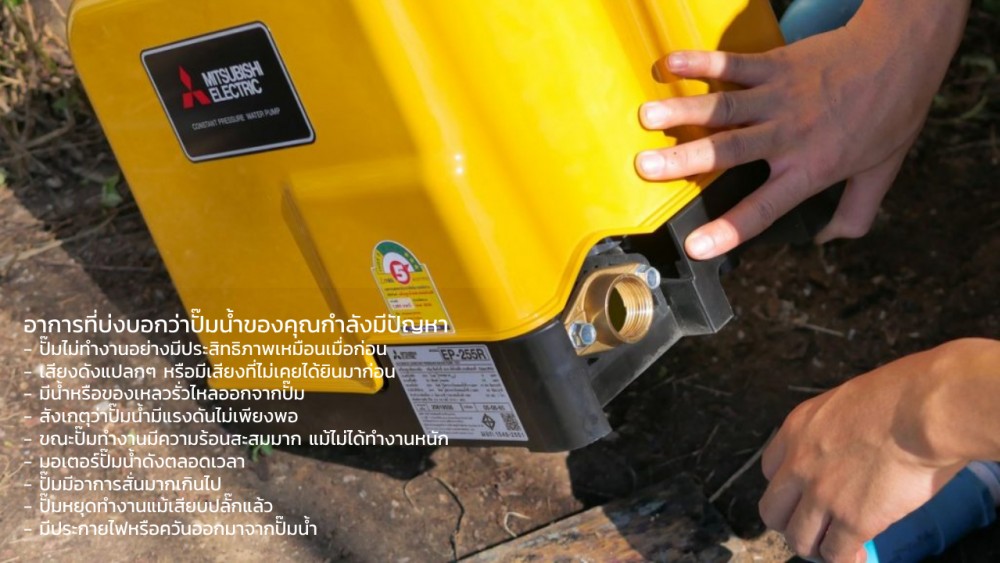
- The pump does not operate as efficiently as before
- Strange noises or sounds never heard before
- Water or fluid leaking from the pump
- Noticeable insufficient water pump pressure
- Excessive heat buildup during operation, even when not working under heavy load
- Water pump motor runs/makes noise constantly
- The pump vibrates excessively
- The pump stops working even though it is plugged in
- Sparks or smoke coming from the water pump
Basic Recommendations
1. Check whether the pump is receiving adequate electrical power and verify that the power cord is not damaged.
2. Check if there is any equipment installed around the pump that might obstruct or interfere with pump operation.
3. Check whether the water pump is operating alongside other systems that might prevent it from working at full efficiency.
4. Check for damaged or worn-out parts that could cause loud or abnormal noises in the pump.
5. Check whether there are any water or fluid leaks from the pump.
Following these tips will help reduce the risk of pump failures and make your operations run much more smoothly. If you encounter issues with a problematic pump, working with the pump manufacturer or an authorized repair service will help get your pump back up and running quickly and efficiently. In addition, it is recommended to inspect the pump promptly at the first sign of trouble to prevent potential future issues, and consult a pump specialist if further clarification is needed.
Conclusion
Knowing and understanding the various symptoms or problems that may indicate signs of damage toWater Pumpsis essential to help you keep your water pump in good condition and effectively prevent damage from issues occurring in the pump's main system in a timely manner.
Other Related Articles - Pressure Tank Automatic Water Pump vs. Constant Pressure Automatic Water Pump: Which Water Pump Should You Choose?
FAQ - Frequently Asked Questions