


 EN
 ไทย


Currently, Welding machines has become an accessible hobby for all DIY enthusiasts. Whether it's joining metal together or creating various art pieces, you can do it with the right knowledge, practice, and the correct equipment—you will definitely succeed. And with a wide variety of accessories available, what do you actually need? In this article, I will explain how to choose the right welding equipment for beginners. Let's see what accessories there are.
1. Welding Helmet
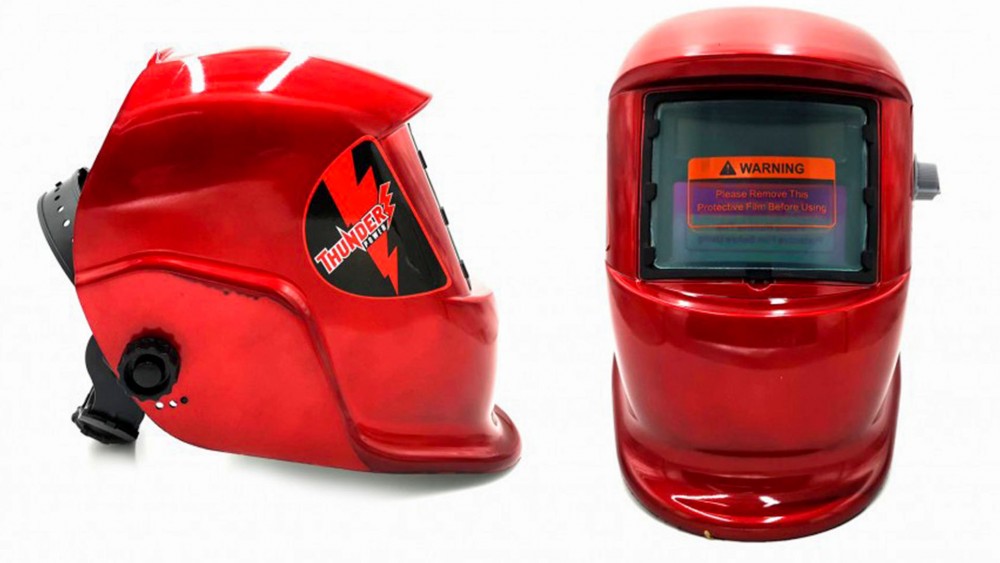
An indispensable piece of equipment when using a welding machine is a welding helmet to protect the worker's head. Welding is quite intense, and without proper protection, you risk life-threatening injuries. The first danger is the risk of burns to your face.
Pure iron is welded at temperatures between 2,500 °F (1,400 °C) and 2,700 °F (1,500 °C). In such cases, contact can cause disfigurement or severe infections. In addition, welding without wearing a welding helmet can cause severe injuries to the worker's eyes.
Sparks are hot and can fly toward your face, along with toxic fumes and intense UV light exposure. According to OSHA standards, it is mandatory to wear a welding helmet every time you operate a welding machine. This is crucial for protecting your own safety.
2. Welding Gloves
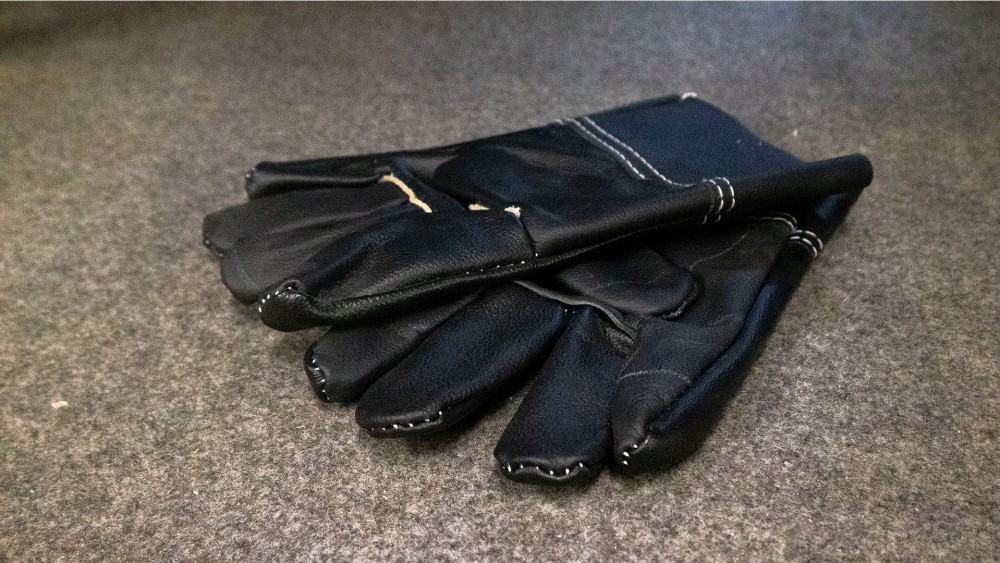
It is virtually impossible to complete work with a welding machine safely without welding gloves. Your hands are always close to the weld pool, exposing them to heat and spatter from materials.
Because welding involves various heat levels and materials, it is essential to choose the type of welding gloves suited specifically to the welding process. For example, leather welding gloves are ideal for Tungsten Inert Gas (TIG) welding as they offer high dexterity while maintaining snugness and durability. On the other hand, stick welding and Metal Inert Gas (MIG) welding typically use materials like deerskin or cowhide.
3. Hearing Protection
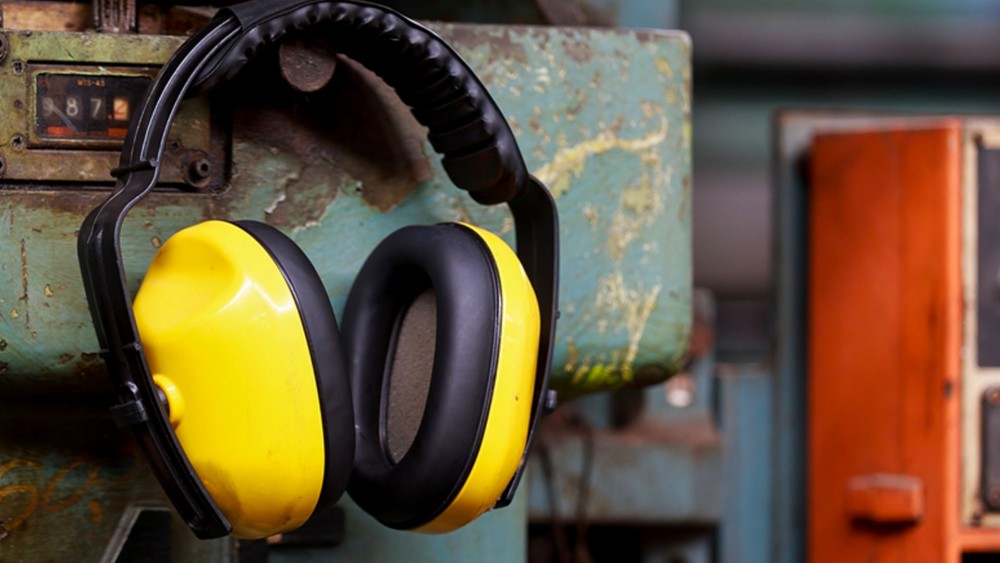
When using a welding machine, you will encounter fairly loud noise. To put things into perspective, sound levels at 70 dB or below are safe. However, unless we are talking about TIG welding, welding arcs generate noise levels exceeding 85 dB during operation.
When people are exposed to noise exceeding that level for extended periods, it poses a risk of permanent hearing loss. Fortunately, various types of hearing protection are inexpensive and readily available, with the most common types being earmuffs and earplugs. According to OSHA regulations, hearing protection is required for welding operations exposed to noise exceeding 85 dB over an 8-hour workday.
4. Welding Boots
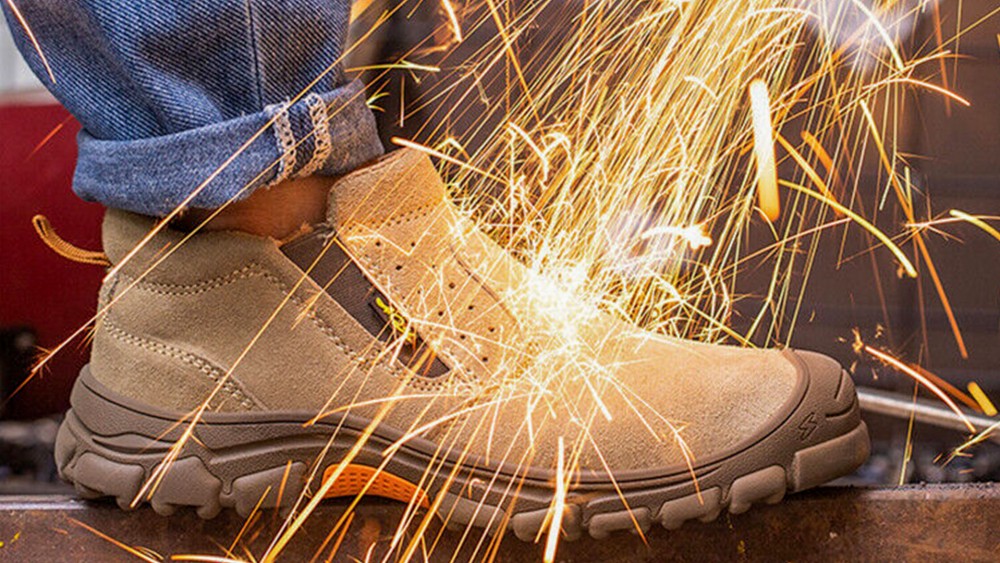
Welding boots are an essential piece of personal protective equipment for welding that cannot be overlooked. When operating a welding machine and welding metal surfaces, you could be injured by falling hot objects, which may cause burns or electrical hazards, and could risk severe accidents. This is why welding boots are so important.
Welding boots are an outstanding type of PPE featuring flame-resistant properties and steel toes. They are built to provide a stable base so you don't trip or fall during welding, just like other welding PPE.
5. Magnetic Welding Clamps
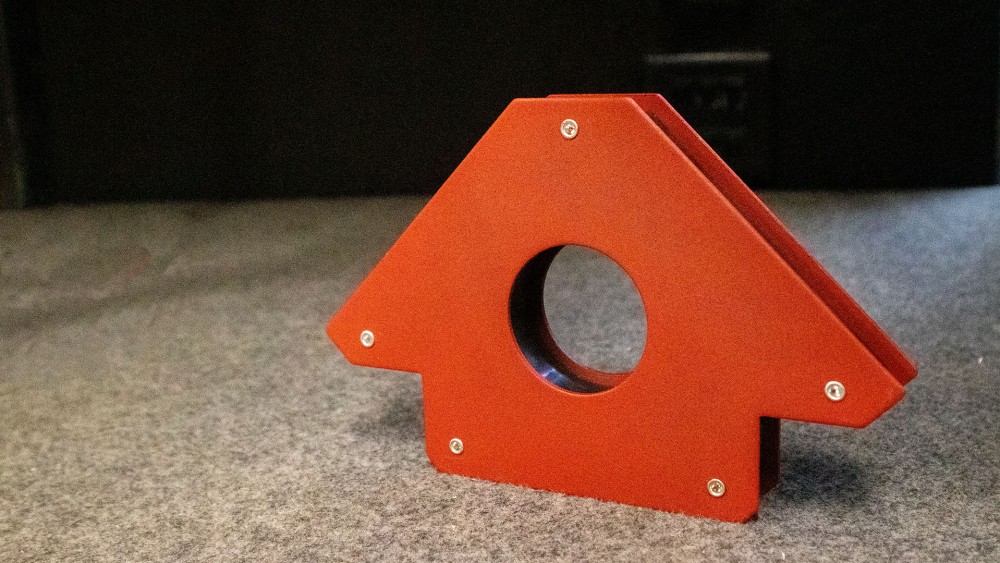
Since precision is essential when using a welding machine, professional welders often use magnetic welding squares/clamps. Considered supporting equipment, they provide a precise hold for the materials being welded.
This allows you to manage the filler metal instead of holding the base materials together. You can see how magnetic welding clamps make welding easier: not only are your hands freed up, but the materials are held together at a perfect 90° angle. Magnetic welding clamps can adhere to any metal surface and hold objects at 45, 90, or 135-degree angles. There are also 360-degree adjustable models available that can attach to any metal part.
6. Chipping Hammer
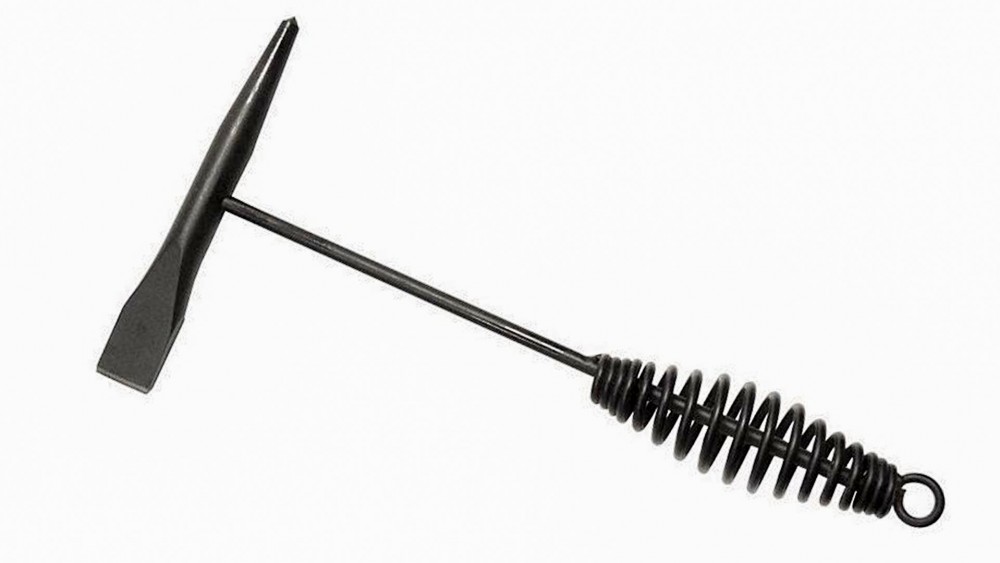
Using a chipping hammer requires a bit of skill. Often, welding leaves uneven edges that need to be smoothed out before the job is complete. One of the best ways to do this is to hammer them smooth with a chipping hammer. However, a chipping hammer must be well-made to avoid breaking while in use. A good chipping hammer also has a sturdy handle that can absorb shock while remaining comfortable to hold. Chipping hammers come with pointed or flat chisel-style heads, depending on the specific application.
7. Welding Pliers
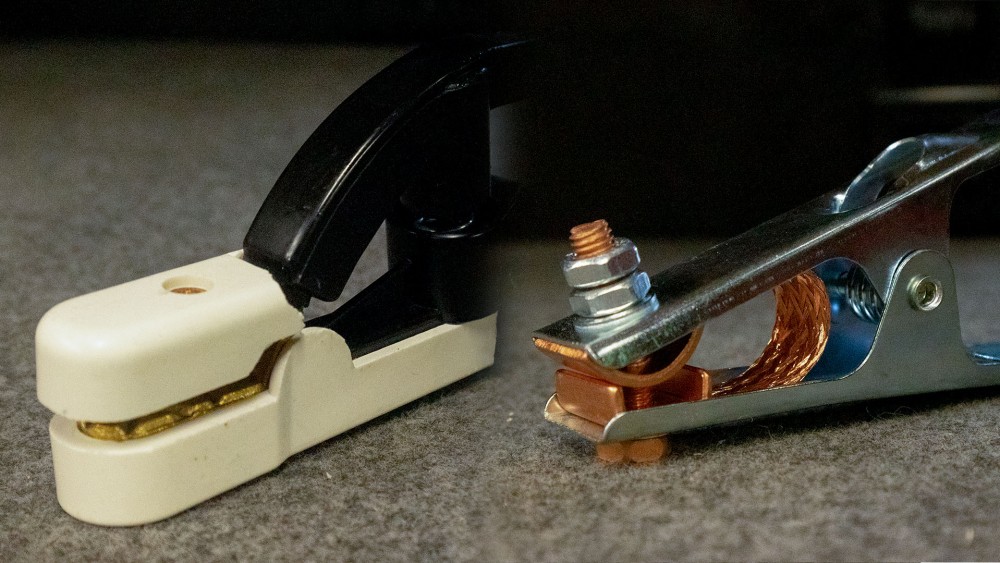
Welding pliers help you work safely and quickly during welding. They are versatile tools that can remove spatter, assist with feeding wire, install and remove nozzles, and more. They can firmly grip welding wire without slipping. It is a durable, multi-purpose tool that provides great support whenever needed.
8. Welding Wire / Electrode
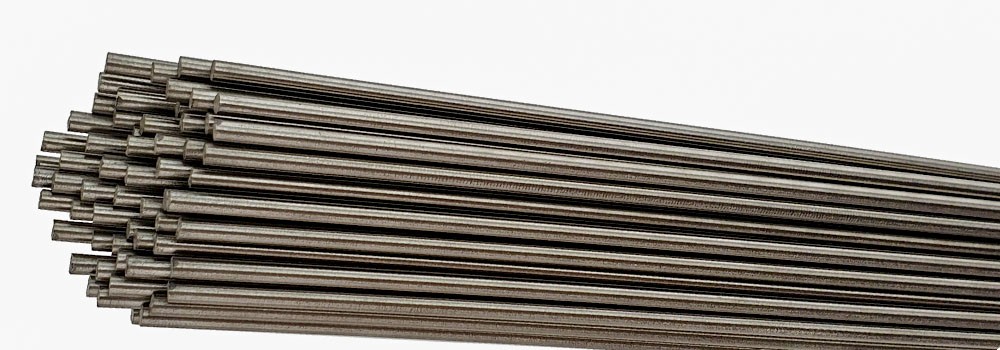
If you want to use a welding machine, you need to strike an arc to join two pieces of metal together. When exposed to heat, the wire softens and melts between the two weld points. Typically, there are many types of welding wire, differing based on factors such as diameter and chemical composition. The wire you need should be made of the same material as the metal you are welding.
If you are welding a stainless steel surface, you will need wire with a steel base. To choose the right welding wire for your job, always identify the metal you are welding first, then select the matching wire for optimum performance.
Choosing the right welding machine is a crucial step for your application. There are several welding processes, each requiring a specific type of welding machine. The most common welding processes for beginners are:
9. MIG Welding (GMAW)
MIG welding is known for its ease of use and versatility. A MIG welding machine with adjustable voltage and wire feed speed settings is ideal for beginners. Consider a machine with a built-in gas regulator for MIG welding with shielding gas.
10. TIG Welding (GTAW)
TIG welding provides precision and control, making it ideal for intricate projects. Beginners may find TIG welding more challenging, but with practice, it produces high-quality welds. Look for a TIG welding machine with adjustable amperage and pulse controls.
- MIG Welding Machine vs. TIG Welding Machine: What Beginners Need to Know
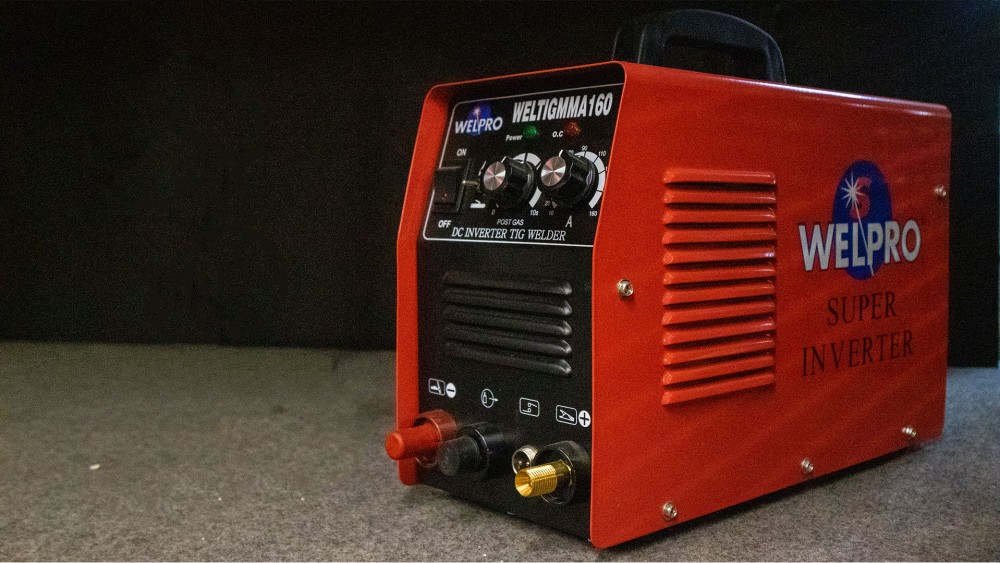
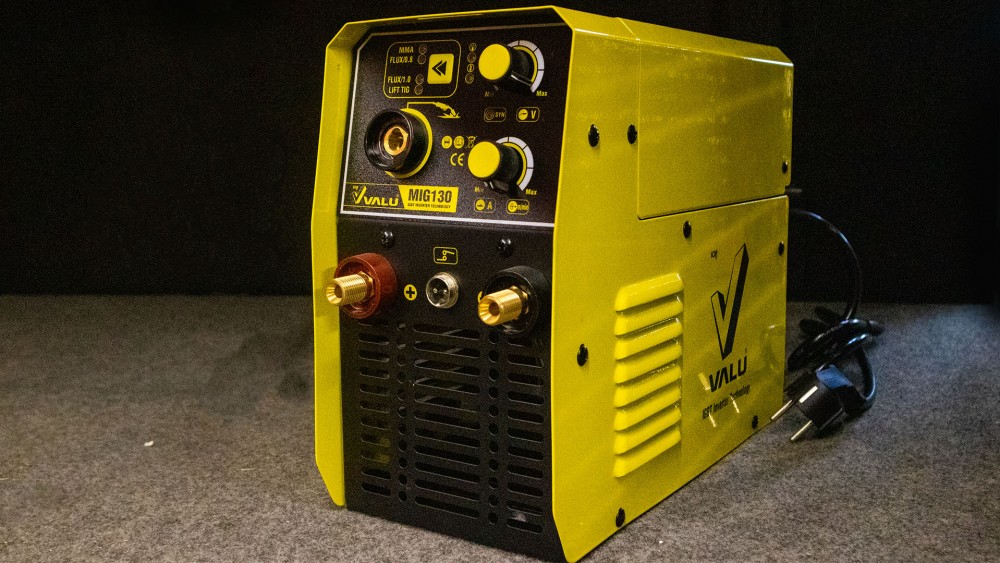
Select Welding machines to suit the work you need.