


 EN
 ไทย


Customers Also Purchased


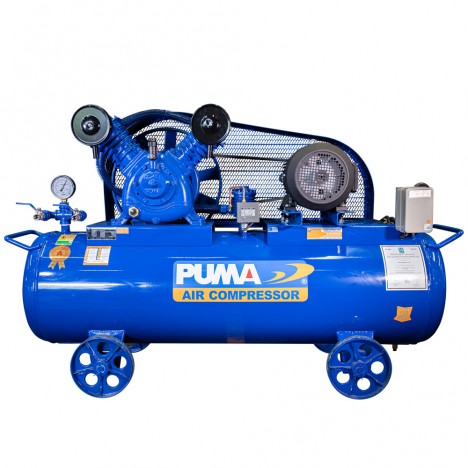

How to properly select and install an air compressor for any application
Air Pumps To put it simply, it is a tool designed to generate air pressure to be utilized for various purposes according to the type and pneumatic tools built to support this function. For example, just as cars need electricity or fuel to run, various pneumatic tools also rely on the air pressure generated by an air compressor or Air Pumps this to serve as the power to drive different kinds of operations. In general, air compressors are commonly used from industrial sectors down to household applications, as they can be adapted for a wide variety of uses depending on size and suitability for each task.
What is an air compressor? What is its history and working principle?
Let's look at its background and working principle. The pump was invented in 1776 by developing further from John Wilkinson's blasting machine. Prior to that, it was known in the form of bellows created to pump air into iron-smelting furnaces in ancient times to reduce manual labor. The working principle of modern air compressors utilizes an electric motor as the prime mover to create air pressure by compressing air inside a cylinder. The cylinder consists of intake and exhaust valves that work synchronously; this process allows a steady discharge of air, utilizing pressure in the air tank to generate the force of the discharged air. The types of applications are diverse and widespread today.
How to choose the right air compressor for the job
The key to using an air compressor is choosing the right type and size for the job requirements and the working environment. Different sectors—from industry to construction and automotive—all require suitable air compressors with different applications. Let's see how to choose the one best suited for your work, starting with:
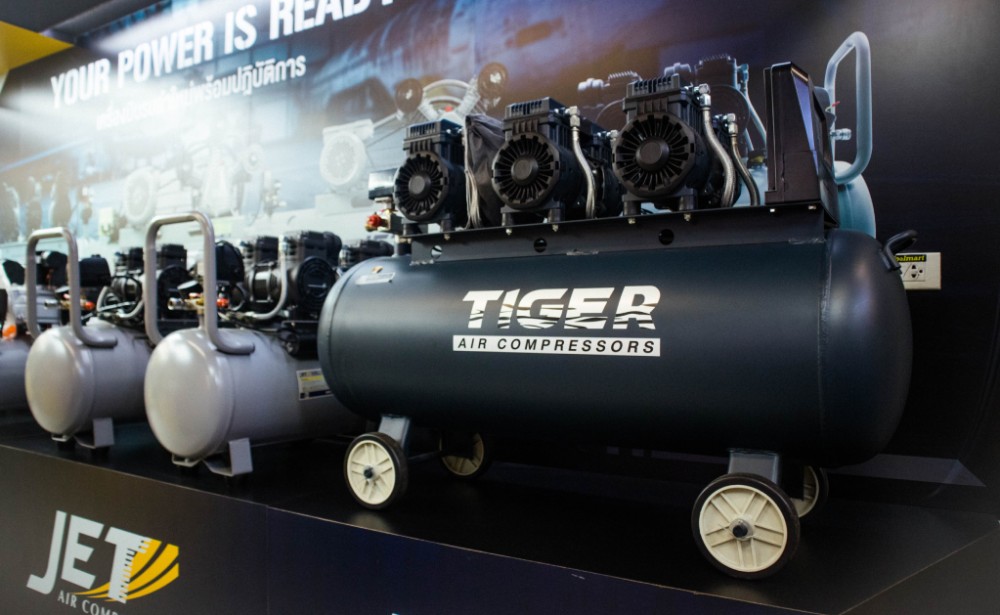
1. Know what type of compressed air your work requires
First of all, you need to know what type of compressed air is needed, such as high volume, continuous supply, clean air, or whether oil-mist contamination is permissible. Then review the specifications of each type of air compressor to see if it suits your work. For example, an oil-free air compressor is designed without oil mist contaminating the air because the machine does not require oil to operate, resulting in clean compressed air. Therefore, it is ideal for chemical industries, such as pharmaceuticals, food, chemicals, electronic systems, and other jobs requiring clean, uncontaminated air. Importantly, this type of compressor also has the advantage of running quietly without excessive noise during operation.
2. Understand the types and categories of air compressors
The air compressors commonly used and popular today mainly fall into 3 types: piston air compressors, screw air compressors, and centrifugal air compressors. Let's see which type is suitable for which kind of work.
2.1 Belt-driven piston air compressor Suitable for jobs requiring relatively low air consumption and intermittent or non-continuous use. This is because they are affordable, require infrequent maintenance, and are easy to service. Air compressor spare parts are inexpensive and easily available, and they can also generate very high air pressure—such as for pneumatic nailers and other applications.
2.2 Rotary screw air compressor Suitable for jobs requiring low, medium, up to high air volume. The compressor delivers compressed air continuously without having to stop running. The advantages are relatively quiet operation and a steady air supply, making it suitable for a wide range of jobs such as spray painting, tire inflation, and more.
2.3 Centrifugal (turbo) air compressor Suitable for applications requiring large volumes of compressed air, both for short periods and continuously. Therefore, this type of air compressor is widely popular in industries such as steel mills, petrochemical plants, water pumping and wastewater treatment, plastic pellet factories, yarn spinning mills for weaving, etc. Due to its loud operation, the installation environment must be considered to reduce noise during operation.
*And other air compressors such as Diaphragm air compressors, rotary vane air compressors, sliding vane air compressors
As you can see, choosing the right air compressor is extremely important. Let's summarize which type of compressor fits which application: To start with, if you need a low air volume, consider a piston type because it is affordable, easy to maintain, and has cheap air compressor spare parts compared to other types. If you require medium to high air volume with shorter compression times, choose a screw air compressor or an oil-free air compressor, as they can generate air quickly and continuously without shutting down, delivering consistent airflow with quieter operation than other types. For applications requiring very high compressed air volume for short yet continuous durations, a turbine (dynamic) type is recommended; note that it is generally more expensive than the first two types and its air compressor spare parts are pricier, but this is offset by higher energy output, making it popular across all types of industrial plants.
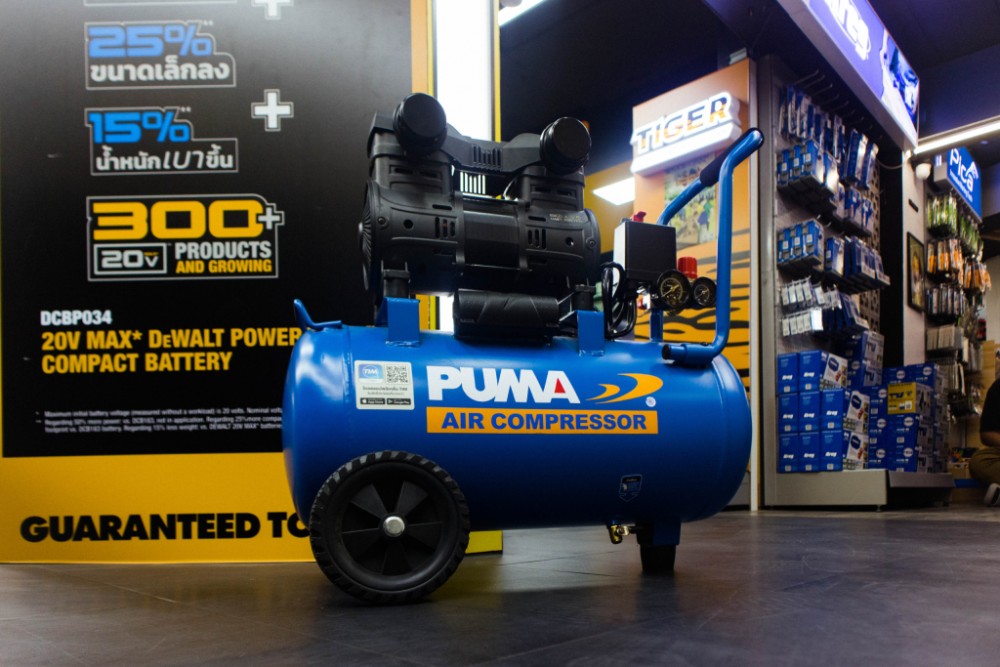
3. Choose according to the appropriate air compressor size
Standard sizes of air compressors are typically categorized by various applications and the specific operational requirements. The common standard sizes of air compressors include:
3.1. Small air compressors
- Power: 1/6 to 10 HP, operates on 110V or 220V electricity
Usually used for applications requiring low to moderate airflow, such as technician work, small workshops, or clean-air alternative applications.
3.2. Medium-sized air compressors
- Power: 15 to 30 HP, operates on 220V or 380V electricity
Typically used for tasks requiring higher air pressure, such as cleaning, coating, or in medium-sized factories.
3.3. Large air compressors
- Power: 40 HP and above, electricity: 380V or 480V
Mostly used in applications requiring high air pressure, such as in large factories, transportation, or tasks demanding high air volume. As for 12v air compressors, they are typically portable models for added convenience on the job, commonly referred to as car air compressors.
Air compressor pressure can vary according to performance, application, and the size of the air tank, such as standard 25-liter, 30-liter, 40-liter, and 50-liter air compressors. Typically, the pressure that air compressors can deliver ranges from 80 psi to 200 psi (5–13 bar) or more, depending on the requirements of each task, both general-purpose and industrial.
4. How to install and operate an air compressor
Air Pumps There are 3 main components used for operation: 1. Air compressor pump head, 2. Air compressor motor, and 3. Air tank. The working mechanism is that air is drawn in through the compressor pump head and compressed into the air storage tank, with the motor driving the suction of air into the tank. The sizes of these various components are critical and must be well-matched for optimal efficiency and maximum safety.
- Air compressor installation You should ensure the air compressor's condition is properly inspected; if any damage or defect is found, it must be repaired and serviced before installation. Install the air compressor in a well-ventilated area free of excessive dust or debris. Importantly, check humidity levels, as excessive moisture can cause rust inside the air tank. Maintain a distance of at least 15 cm from walls for convenient moving and inspection.
- Checking the Motor Observe the rotation direction of the air compressor motor to ensure it turns in the correct direction, following the indicated arrow. If the motor rotates in the wrong direction, reverse the belt properly (in the case of belt-driven air compressors).
- Connect the power to the air compressor (In the case of piston air compressors) Consider based on the motor characteristics, which are generally divided into two types in Thailand: 2-phase/single-phase 2-wire 220 V (household power), which can be plugged in and used anywhere but draws higher electrical current than a 3-phase motor, and 3-phase 380 V (factory power), easily identified by having wiring terminals and no attached capacitor.
5. Pressure Switch Setting
on an air compressor is an important step to ensure the compressed air system operates correctly and efficiently. Before starting the setup, make sure the air compressor is turned off and disconnected from any power source. Most pressure switches have a removable cover for configuration access. Before adjusting the pressure switch, note the desired pressure settings for your air compressor first. The pressure switch has knobs or screws for pressure adjustment. Adjust the pressure values to match your requirements; typically, there are adjustments for high pressure and low pressure. Once the pressure setting is complete, replace the cover to protect the adjustment mechanism. Turn on the air compressor and test the system operation. Check whether the pressure switch functions according to the set values.
*Note Adjusting the air pressure of the compressor beyond its capacity will not increase the air volume in the tank, but will cause the machine to break down faster. The best approach is to select an air compressor model that matches the required pressure and application from the start, so that the air compressor can operate at peak efficiency. *
6. Air Compressor Care and Maintenance
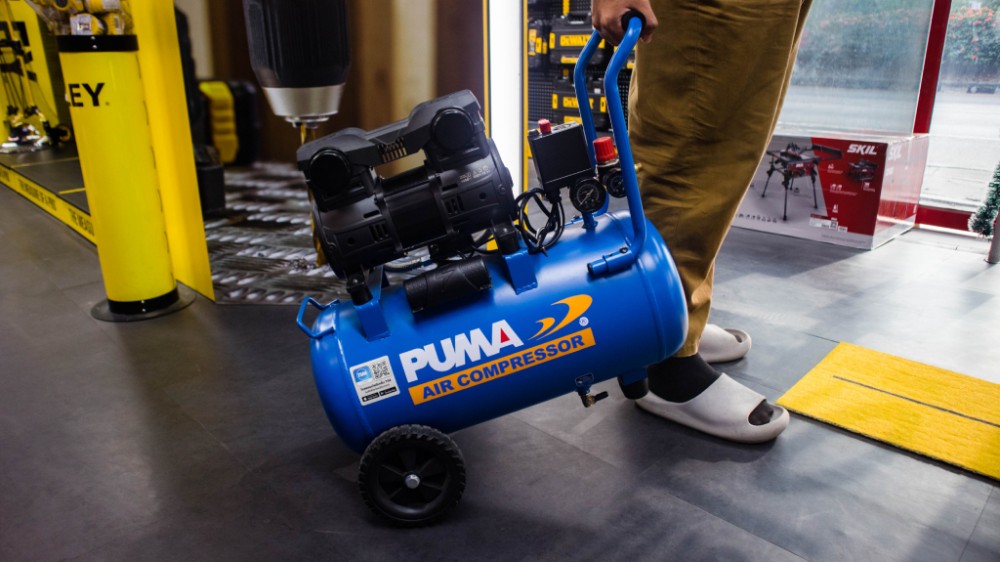
Air compressor care and maintenance is essential for the compressor to operate efficiently and have a long service life. First, follow the manual and understand your air compressor for the safest operation. Here are some basic recommended steps you can take to maintain and service your air compressor to extend its operating life and ensure safe use.
- Check the oil Regularly check the oil level in the air compressor and add oil as needed if necessary.
- Check the belt Check the condition of the belt, its tightness, and its operating performance.
- Clean the air filter Regularly clean and replace the air filter to prevent damage from dust and debris.
- Drain water from the air tank Check the drainage system to allow water to drain properly and prevent rust inside the air tank.
- Clean the piping system Clean the compressor pipes and intercooler tubes to ensure maximum airflow efficiency.
- Inspect and maintain critical components Check other critical components of the air compressor, such as switches, valves, and moving parts.
- Check and adjust the pressure Check and adjust the air compressor's pressure as specified in the user manual.
Air compressor maintenance must adhere to the specific nature of the compressor, which varies by brand and model. Conducting initial inspections on your own is an essential first step in maintenance, helping you recognize abnormal symptoms in the compressor and potentially resolve them promptly. Studying the user manual is a crucial first step because some causes of problems can be solved yourself, while other repairs may require a specialist as the complexity of the issue increases.
Conclusion
Selecting the right air compressor for the job is essential, as there are many types and sizes suited for different applications. For example, check your available electrical power and the horsepower requirements of the job. You should know what type of air your application requires, such as clean air, oil-tolerant air, or an oil-free air compressor that requires no oil maintenance. There are various types of air compressors, such as piston compressors, screw compressors, and rotary turbine compressors; choose the type that best fits your use case. Select an air compressor size that matches the air volume required for your job by looking at electrical power and horsepower, and consider the installation and operating space so the air compressor can run efficiently. The brand we currently recommend is PUMA air compressors. If unsure, study the options and consult with a specialist to make the right choice for your application.
Other Related Articles
- How to Choose the Size of 5 PUMA Belt-Driven Air Compressors for Maximum Utility
- How are PUMA silent air compressors different?
- Tips for Choosing the Best Air Compressor and Tire Inflator for Cars
FAQ - Frequently Asked Questions
How is air compressor maintenance performed?
Air compressor maintenance should be performed regularly to maintain the compressor's performance and service life. Standard recommendations include inspecting the air system, pressure testing, and inspecting and cleaning filters and air receivers, which are equally important.
How to choose the right air compressor for the job
Choose an air compressor by considering the appropriate electrical power and horsepower, the required air type (clean, oil-lubricated, oil-free), the compressor type (piston, screw, rotary), the compressor size, and the required air pressure. Considering the installation and operating space is also essential.
How to inspect and troubleshoot an air compressor
When an air compressor does not operate properly, check various items such as the electrical system, air leaks, and the condition of the drive belts (if any). Reviewing the manufacturer's manual and consulting a specialist are great ways to resolve problems.