


 EN
 ไทย


Welding machines It is one of the essential tools in manufacturing industries for joining metals and other materials. A welding machine is part of the standard process that fuses parts or materials at high temperatures, melting these components together to create a weld seam.
Welding machines have played a significant role in various industries for a long time. Blacksmiths used hammering and heat to forge steel together. Modern welding depends on welding machines, whether for MIG welding, TIG welding, inverter welding, and more. Below are the most popular types, along with some you may not be familiar with. Let's take a look!
1. Arc / Stick Welding Machine (MMA)
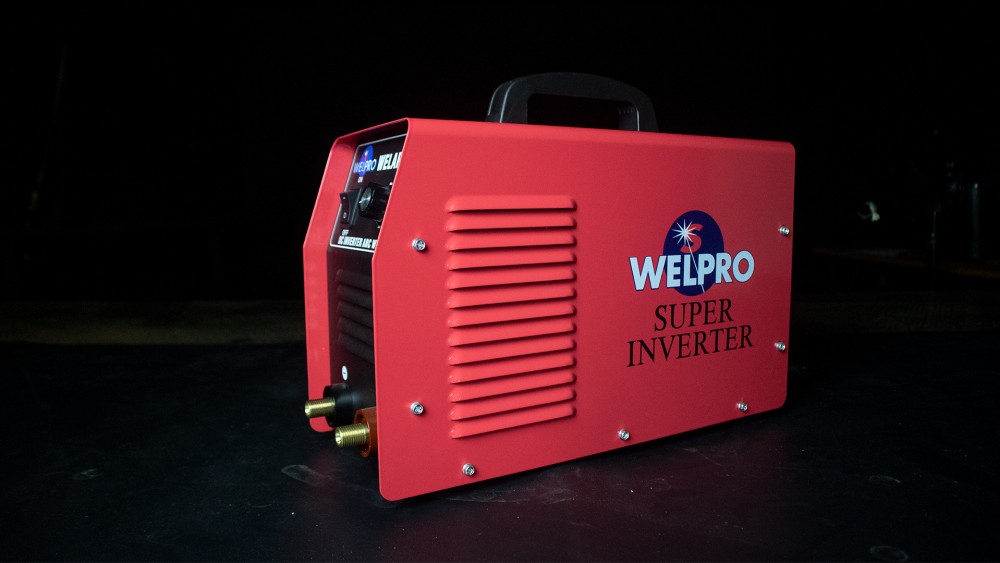
The MMA stick welding machine, or inverter welding machine, uses heat generated by an electric arc between a flux-coated welding electrode and the workpiece as the welding energy. Direct electrical power must be connected to the machine to generate the output power. This type of welding machine is popular because it is portable and suitable for beginners or welding enthusiasts looking to learn metal welding. It can weld steel, stainless steel, and potentially aluminum if the welding current is high enough, around 200 amps or more.
2. MIG Welding Machine
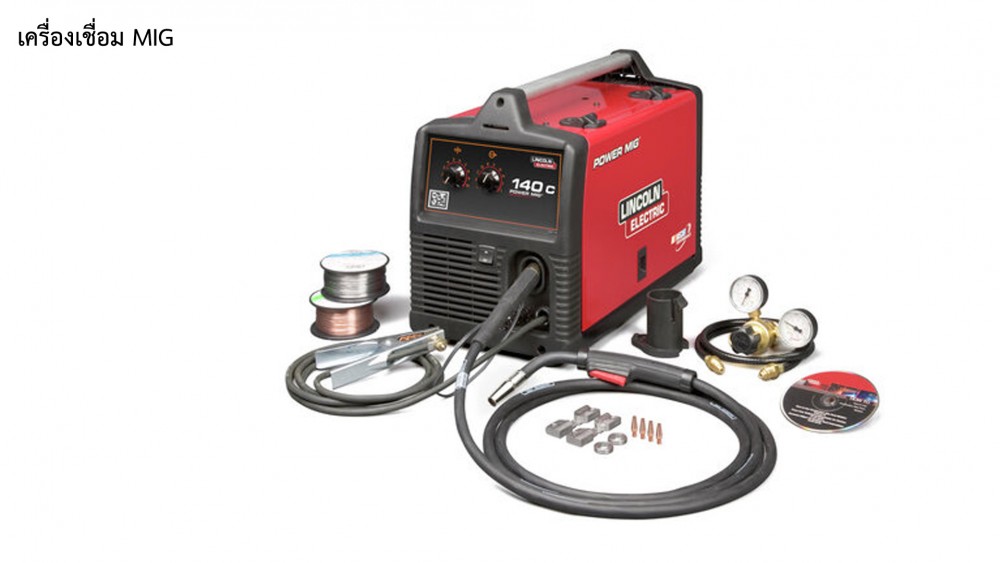
The MIG welding machine, or CO2 welding machine, is one of the most frequently used welding machines around, whether in factories, construction sites, or at home. MIG welders are versatile enough to handle various metals, including stainless steel, sheet metal, aluminum, and other types. MIG welders utilize an arc welding process that feeds a solid wire electrode through a welding gun, making it a fast welding technique.
MIG welding is also well-suited for installation on compatible metal surfaces. Key advantages of a MIG welder include fast efficiency and the ability to withstand or maintain a long, durable arc with minimal spatter, making it easier to control. MIG welders are compatible with many types of steel, including alloy steel, low-carbon steel, and mild steel, among others.
3. TIG Welder
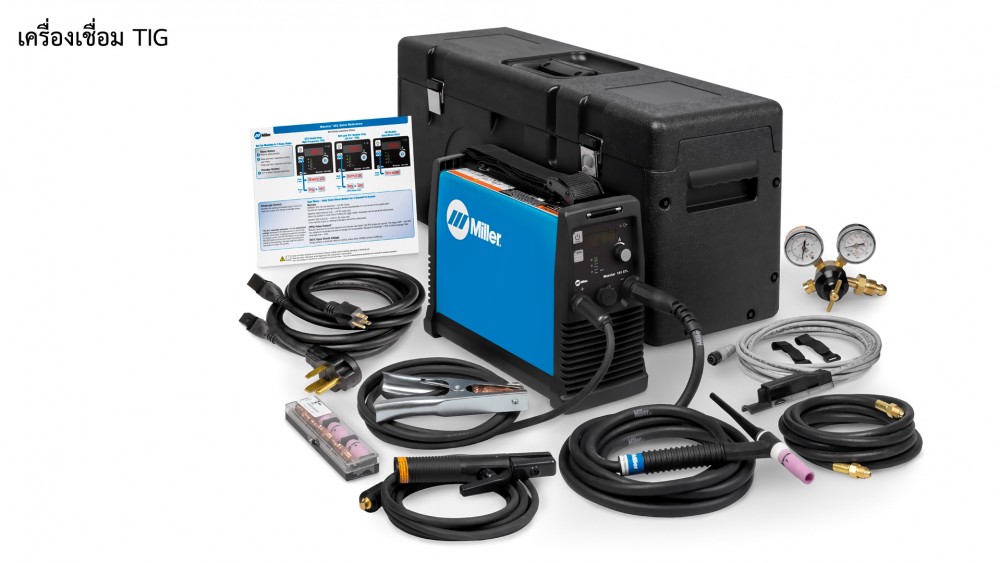
A TIG welder, or argon welder, is suitable for thin metals and smaller projects, producing precise and clean welds. However, it requires more experience and multitasking compared to other techniques. The operator must hold the welding torch with one hand while feeding filler wire with the other. This process requires a non-consumable tungsten electrode to create the weld.
It helps create beautiful weld beads, high-quality workpieces, low smoke, no spatter, and does not require filler wire. It can weld thin workpieces and can be used on stainless steel, brass, copper, aluminum, and more.
4. Flux-Cored Arc Welder
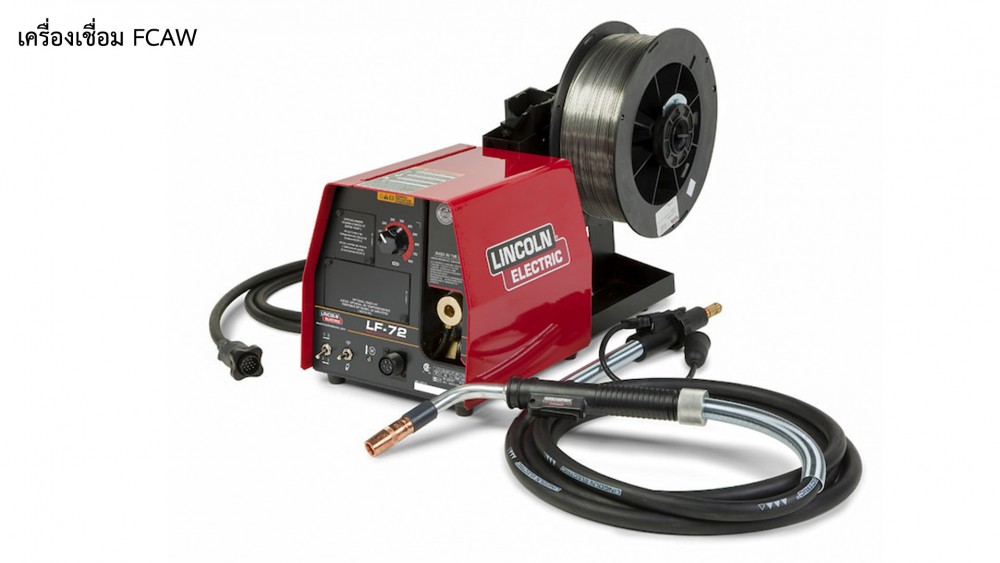
Generally, for FCAW flux-cored welders, looking at it simply on the surface, switching from a MIG/MAG welding process to a flux-cored welding process can be easily done just by changing from solid wire to flux-cored wire.
Flux-cored arc machines are recommended for carbon steel, cast iron, nickel-based alloys, and certain types of stainless steel. Popular in construction and fabrication, they are used in heavy-duty welding industries. These specially designed welders have the ability to continuously deliver high levels of welding current and voltage.
5. Energy Beam Welder
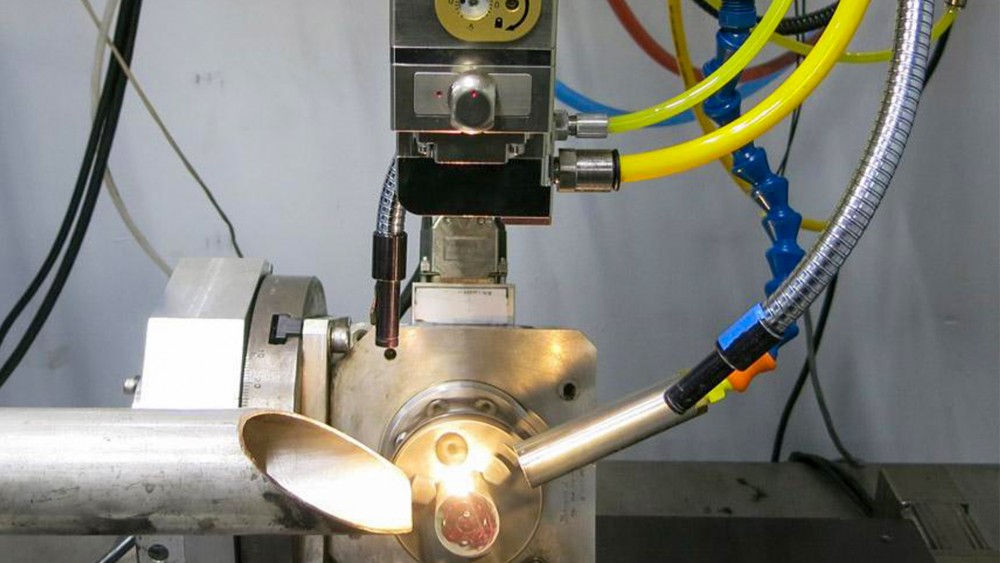
EBW welders use a high-velocity stream of tightly focused electrons manipulated by a magnetic field and applied to the base material. The machine can weld thick metals to thin metals or fuse dissimilar metals, and EBW welders can also weld specific spots on metal with minimal to no thermal distortion in the weld area.
Because welders must perform this welding in a vacuum to prevent the electron beam from being absorbed by air, the machine is not suitable for home use. However, EBW welders are commonly used in high-power manufacturing environments, including the automotive, defense, medical, aerospace, and oil & gas industries.
6. Plasma Arc Welder
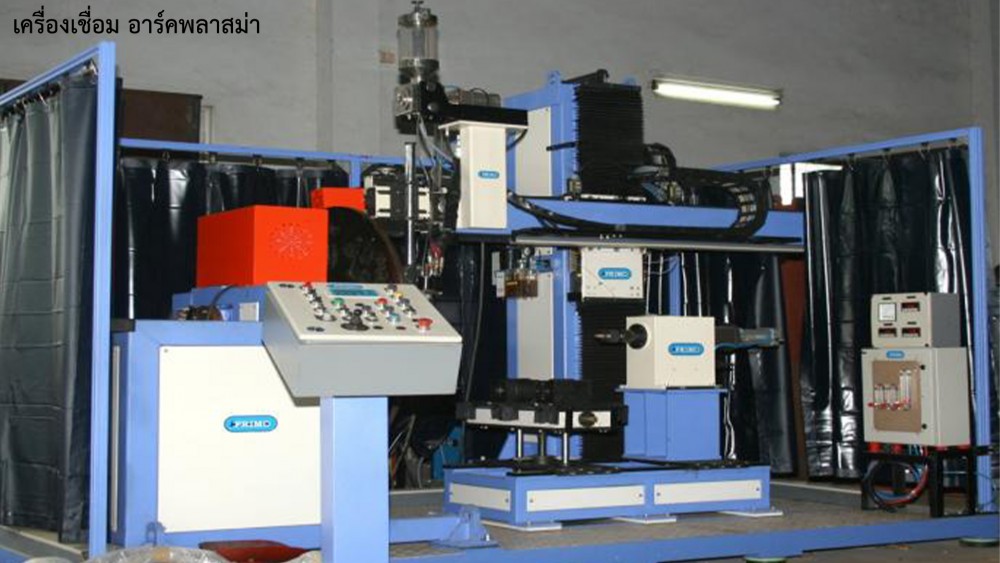
A plasma transferred arc (PTAW) welder is an industrial-grade machine similar to a TIG welder, but featuring an anode surrounding the tungsten electrode. This anode constricts the arc to achieve laser-like precision. Plasma arc welding is primarily used in the manufacturing of mining equipment, bottle molds, valve seats, and the repair of extruder screws or aircraft engines.
In plasma arc welding, a pilot arc is ignited between the tungsten electrode and the plasma nozzle, accelerating the plasma gas (mostly argon or helium). This ignites the main arc that burns between the electrode and the workpiece, melting the workpiece. Additionally, the fed metal powder or wire also melts and can be deposited as a protective overlay on the workpiece.
7. Submerged Arc Welder
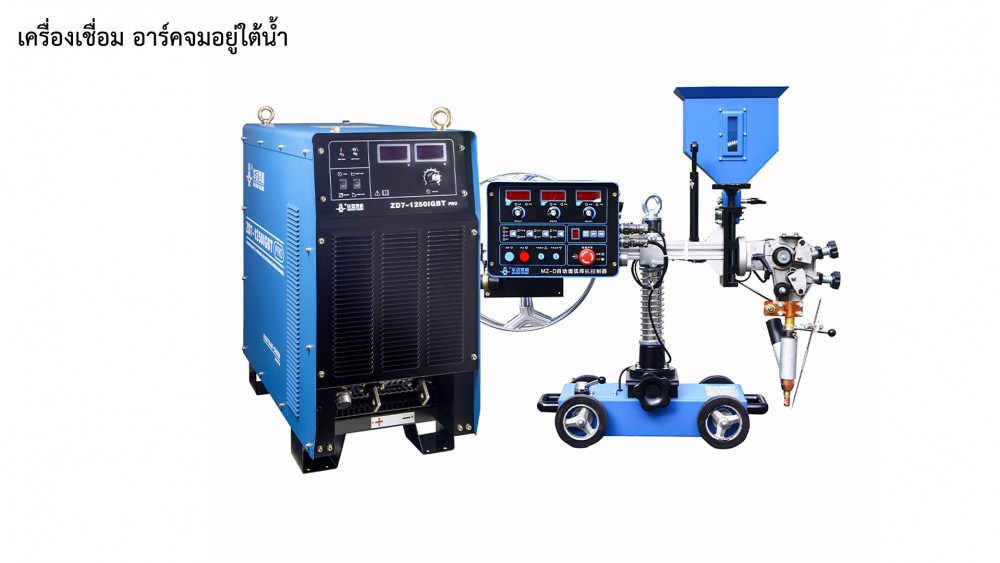
Submerged arc welders operate by feeding an electrode into the workpiece at a set speed, with the feeder carriage moving along the weld seam via either automatic or manual control. During welding, flux is fed around the electrode to completely blanket the weld zone.
When melted, the flux becomes conductive and provides a current path between the electrode and the workpiece. This thick layer of flux completely covers the molten metal, thereby preventing spatter and sparks while suppressing intense ultraviolet radiation and fumes characteristic of the shielded metal arc welding (SMAW) process.
It is a welding process performed in water where the welding workpiece must be underwater or in an environment where air or gas cannot continuously assist in melting the workpiece. This process is often used for underwater structural repairs, such as repairing offshore structures, subsea pipelines, and more.
8. Atomic Hydrogen Welder
An atomic hydrogen welding (AHW) machine is an arc welding process that uses an arc between two tungsten electrodes in a shielding atmosphere of hydrogen. The arc is sustained independently of the workpiece or parts being welded. Hydrogen gas is normally diatomic, but where temperatures exceed 6,000 °C (10,800 °F) near the arc, the hydrogen dissociates into atomic form, absorbing a large amount of heat from the arc.
When the hydrogen strikes a relatively cold surface around the weld area, it recombines into its diatomic form, releasing the energy associated with that bond formation. The energy in AHW can be easily varied by changing the distance between the arc stream and the workpiece surface.
9. Oxy-acetylene welding machine
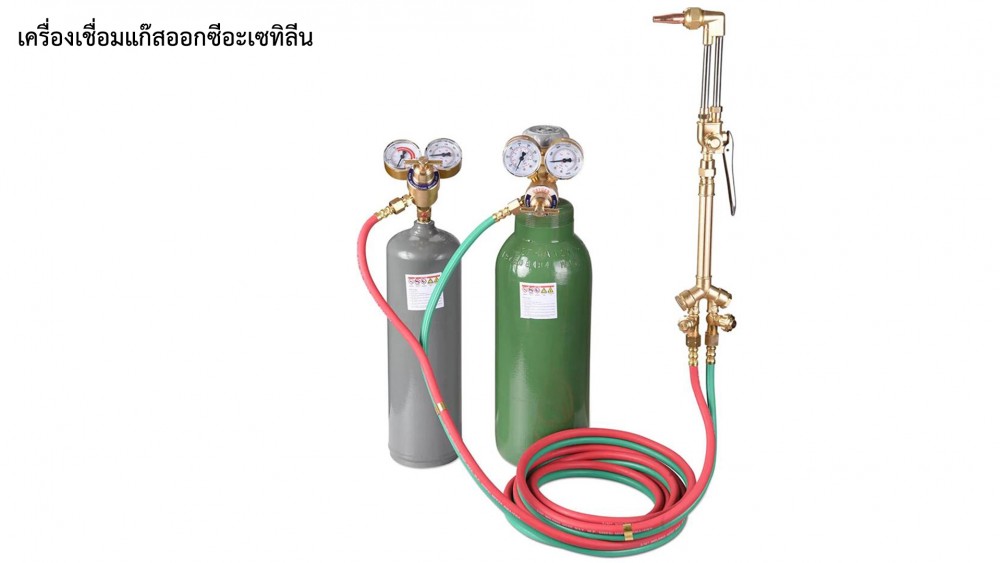
An oxy-acetylene welding machine utilizes a fusion welding process that uses heat from fuel gas, which is a mixture of acetylene and oxygen. The combustion flame generates high heat, fusing the workpieces together into a single piece, where filler wire can be added or omitted depending on the thickness of the workpiece and the joint type.
The recommended metals for this machine are limited to steel and iron only. You can also find oxy-acetylene welding used in fabrication projects, plumbing, automotive repair, and field work.
10. Multi-process welding machine
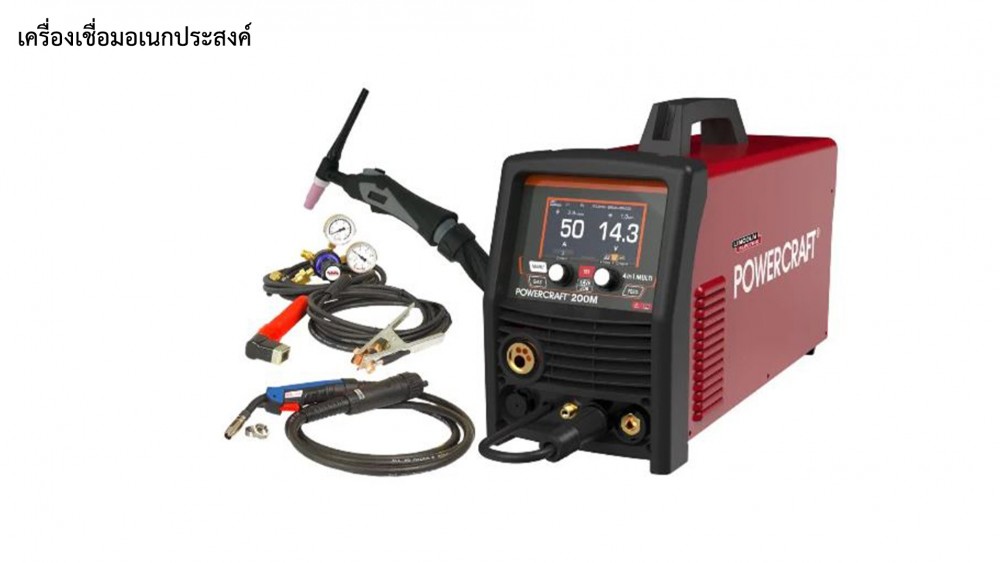
In addition to single-process welding machines, multi-process welders can perform two or three types of welding in a single machine. For example, a 3-in-1 welder can perform TIG, MIG, and stick welding on the same unit, and other welders can do TIG and stick welding along with an included plasma cutter.
The world of Welding machines There are various types available, offering specialized tools to meet the demands of different industries, from versatile MIG welders and precise TIG welders to powerful Flux-Cored Arc welders, each serving a unique purpose.