


 EN
 ไทย


Customers Also Purchased


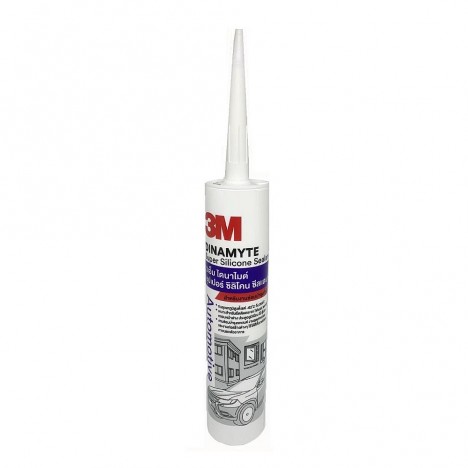
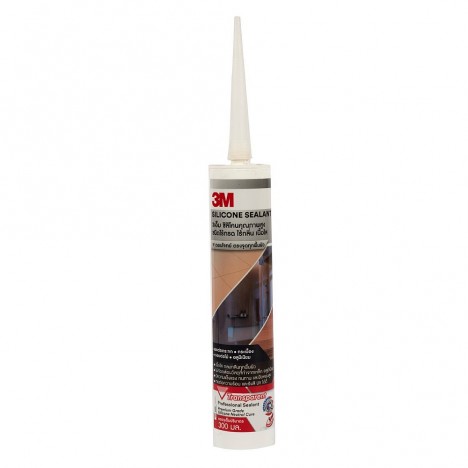
In choosing Construction Silicone Proper application is essential. Silicone or caulk is a sticky, gel-like adhesive used in construction and home renovation. Due to its flexibility and durability, it is commonly used in various applications for both the interior and exterior of homes or buildings. Like other adhesives, there are multiple types of silicone available to choose from.
What is silicone?
Silicone is a liquid form of adhesive. It typically looks, feels, and acts like a gel. It has a different chemical composition from other polymer adhesives. Unlike other types of glue, silicone retains its flexibility and stability at both high and low temperatures. Additionally, silicone is resistant to other chemicals, moisture, and weather conditions.
Unlike some adhesives, silicone must cure. Typically, after application, silicone is left to dry naturally. The temperature must be between 40°F and 100°F, and relative humidity must be between 5% and 95% for silicone to cure. It may take as little as 24 hours to cure, or it could take several days if the sealant material is particularly thick, depending on the type and application.
► Benefits of Silicone You Need to Know
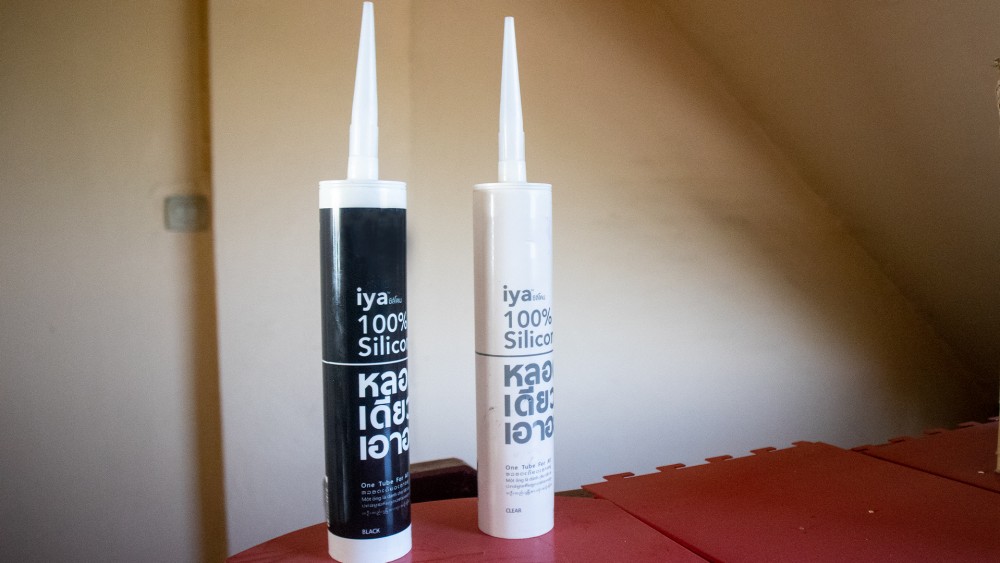
When and where should silicone be used?
Silicone bonds to almost all materials. It is ideal for a wide variety of building applications, including wet surfaces and/or exterior surfaces, due to its resistance to sunlight and extreme temperatures.
Repair and Maintenance
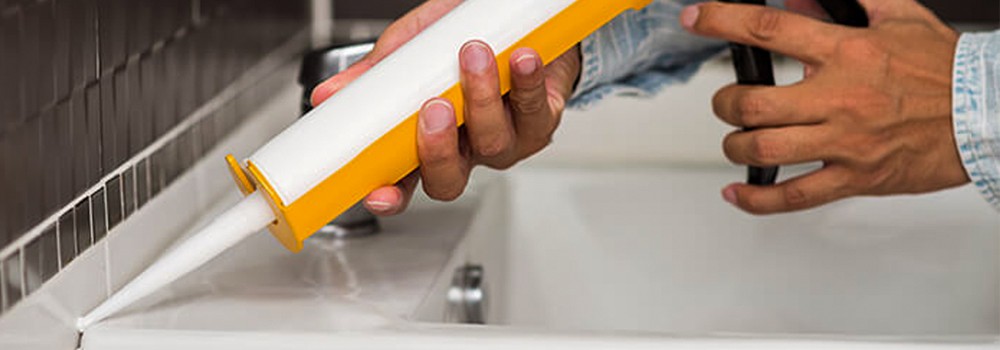
Among the most common applications of silicone is repair work—whether sealing leaks, kitchen sinks, washbasins, or installing shower screens onto tiles, and more. Residential and commercial construction uses it as a bonding adhesive and joint sealant across various materials used in building construction, as they are exposed to harsh weather conditions such as sun, rain, or wind. It is also used to seal gaps around frames, windows, and much more.
Joint Sealant for Glass
Due to its chemical composition, silicone can be used on virtually any surface, whether glass, plastic, or metal, because it bonds firmly, offers high durability, and lasts long. It is widely used in the glazing sector for sealing windows during installation, as well as in other applications such as the edges and sides of aquariums.
Electrical Appliances and Electronic Devices
Its ability to withstand extreme weather conditions makes silicone ideal as electrical insulation in appliance manufacturing.
Manufacturing of Mechanical Housings and Motors
Suitable for formed-in-place gaskets and plant maintenance. It is also used in the manufacturing of trucks and utility vehicles, where electrical components such as lights, turn signals, and sensors can also be sealed with silicone.
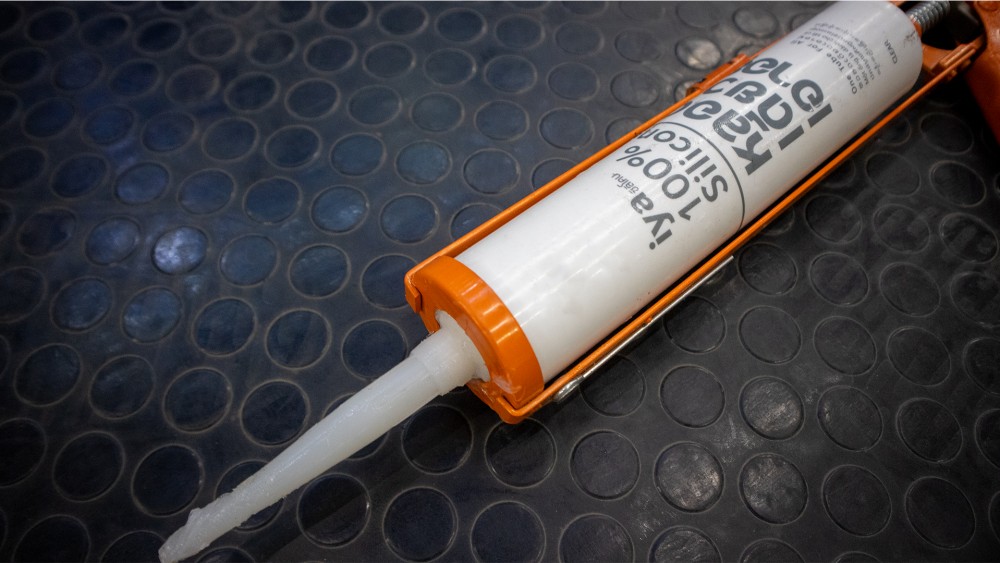
► A complete collection of silicone sealants: leak-proof, waterproof, and strong bonding
Explaining the Different Types of Silicone
ACETOXY SILICONE SEALANTS
Releases acetic acid (which smells slightly like vinegar) while curing. Thanks to its fast cure time and rigidity once applied, it is one of the most commonly used sealants. The downside is that it generally provides poorer adhesion.
NEUTRAL ALKOXY SILICONE
Neutral silicone releases alcohol while curing, resulting in virtually no odor. Compared to acetoxy, it provides better adhesion across a wider variety of materials. The downside is that it can be more expensive and slower to cure, taking about 1–5 days depending on thickness, temperature, and humidity conditions.
LOW MODULUS SEALANTS
These silicones are stretchy though not the most rigid; they provide better adhesion, flexibility, and durability. Low modulus sealants are generally recommended, especially in high-movement joints such as window frames or expansion joints. They also work well with backer rods to ensure the sealant is applied to the desired depth.
HIGH MODULUS SEALANTS
This silicone is less flexible but more durable. It is recommended for sealing bathtubs, showers, kitchen sinks, washbasins, countertops, and many other sanitary and interior applications.
Select Construction Silicone more to suit your application