


 EN
 ไทย


Customers Also Purchased

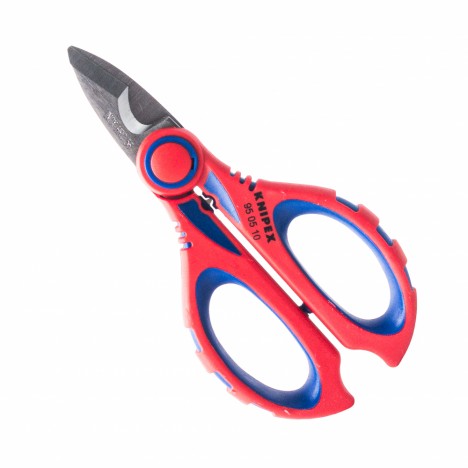
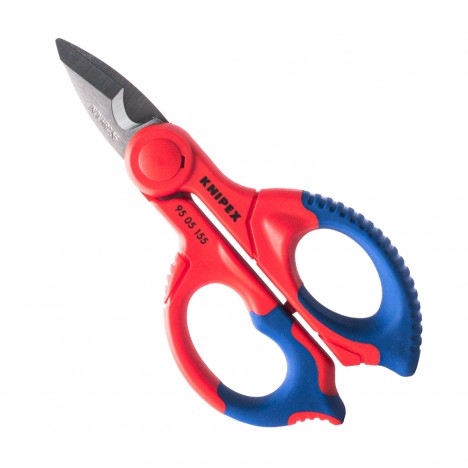


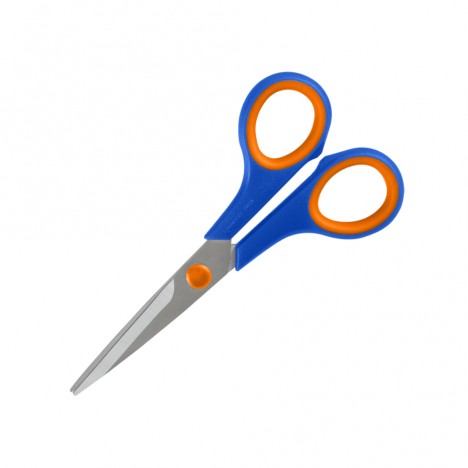
Scissors: An Essential Tool in Trade Work
Scissors are well-known cutting tools used across various trades, serving as essential basic equipment that adds convenience when cutting smaller workpieces. Typically, scissors come in various styles; standard versions feature blades no longer than 6 inches (15 cm) and usually have easy-to-grip handles—often featuring one smaller loop that fits the thumb and one larger loop for two or more fingers to ensure a comfortable grip.
What Are Scissors?
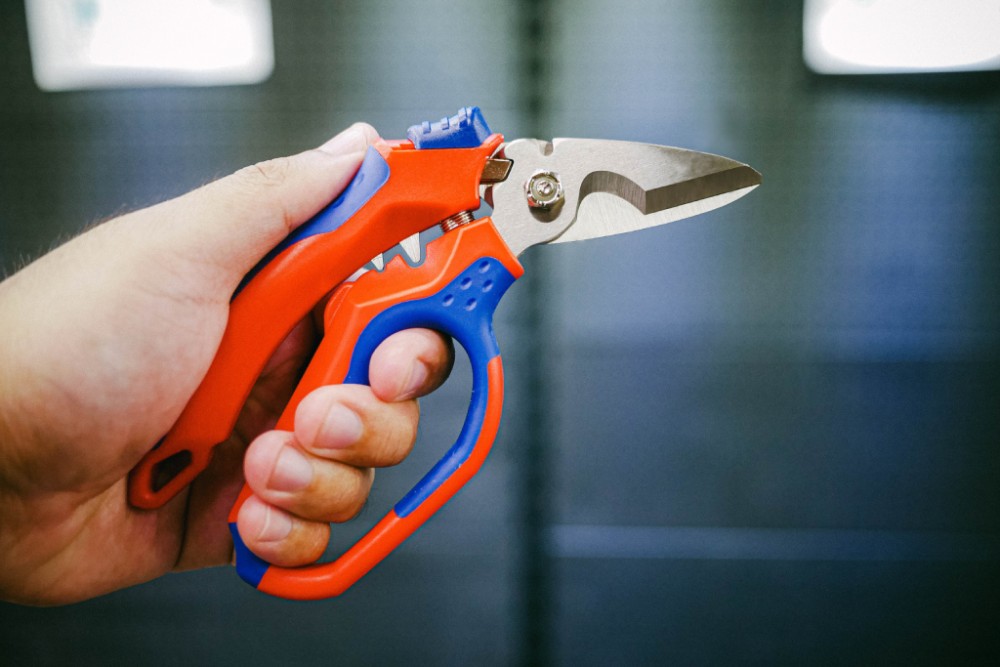
Scissors Scissors come in a variety of styles, each designed to perform well for specific purposes. For example, metal shears can be used to cut thin sheet metal and feature strong, sharp blades for stable cuts. Wire strippers/cutters are designed to cut small-to-medium wires with ease. The largest scissors are used for cutting metal or trimming hedges, requiring very sturdy blades. However, there are also less common specialized scissors such as tailoring scissors—which often feature one pointed tip and one blunt tip for precise fabric cutting—or pruning shears used for trimming small branches and shrubs, among others.
History of Scissors
The earliest known scissors appeared in artifacts from the Middle East, dating back roughly 3,000 to 4,000 years ago, and were known as spring scissors. They consisted of two bronze blades joined at the handles by a thin, curved strip of bronze. This strip pulled the blades together to make a cut and pushed them apart when released. Iron scissors of a similar design were likely used for shearing sheep or cutting animal hides. Later, pivoted scissors made of iron using two blades were widely used across ancient Greece, Rome, China, Japan, and Korea. Despite these early inventions and designs, scissors remained almost identical in form until the late 16th century.
During the Middle Ages and Renaissance, in early 1761, Robert Hinchliffe of Sheffield, England, began using cast steel for production. Cast steel, which had been recently invented by Benjamin Huntsman of Sheffield, was made by melting steel in clay crucibles and pouring the molten metal into molds. As a result, the steel's durability was significantly enhanced, leading to its subsequent industrial applications.
During the 19th century, scissors with handles were hand-forged. They were created by hammering steel over concave surfaces to form the blades. The finger rings on the handles were made by punching holes into the steel and expanding them using the pointed horn of an anvil. By the beginning of the 20th century, scissors were simplified in design to accommodate machine-based manufacturing instead of entirely hand-forged methods. The blades and handles were shaped using drop hammers. These large and heavy machines used steam power to form scissors from steel bars. Modern versions of drop hammers are still used to manufacture scissors today.
Scissors Today
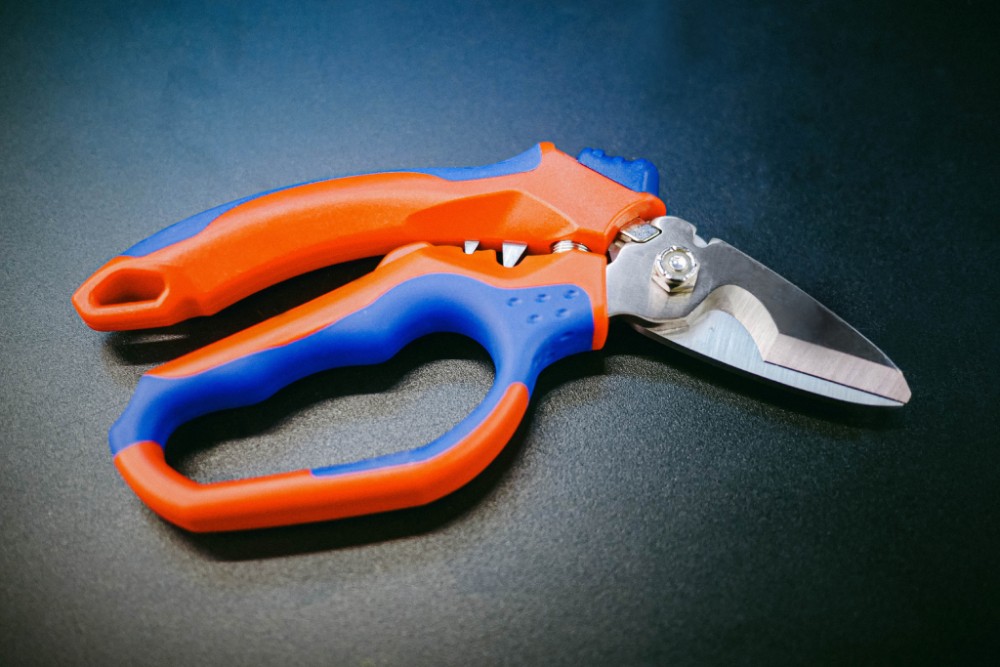
Scissors They are usually made of steel. Some scissors used for special purposes are made of other metal alloys that do not spark; scissors used to cut magnetic tape must not interfere with magnetic fields. Steel scissors come in two basic forms. Carbon steel is used to make scissors where the blade and handle form a single continuous piece. Carbon steel is made from iron and contains about 1% carbon, offering the advantage of high strength. Scissors made of carbon steel are often plated with nickel or chromium to prevent rusting. Stainless steel is used to make scissors with plastic handles attached to metal blades. Stainless steel scissors are made from steel with about 1% carbon and at least 10% chromium, offering the advantages of being lightweight and rust-resistant. The handles of stainless steel scissors are made from strong, lightweight materials such as ABS (Acrylonitrile-Butadiene-Styrene) plastic.
Common Types of Scissors and Cutters in Trade and Craft Work
- Bolt Cutter Features thick, strong cutting jaws used for cutting steel or thick wire. Commonly used in construction and high-strength applications.
- Wire Cutter Features thin, sharp cutting edges used for cutting small wires or electrical cables. A handy tool for electrical and electronic work.
- Paper Shears / Paper Cutter Features sharp, fine cutting blades suitable for cutting paper or thin materials, such as in arts and crafts.
- Cable Cutter Features strong, durable cutting jaws used for cutting large cables or electrical wires. Commonly used in electrical work and wire splicing.
- Pipe Cutter Features adjustable cutting edges used for cutting metal pipes or plastic pipes. A tool that provides precision in pipe cutting.
- Wood Cutter / Wood Shears Features sharp cutting edges suitable for cutting wood or wooden materials. Commonly used in woodworking and tasks involving wood materials.
Applications of Scissors and Cutters in Trade and Craft Work
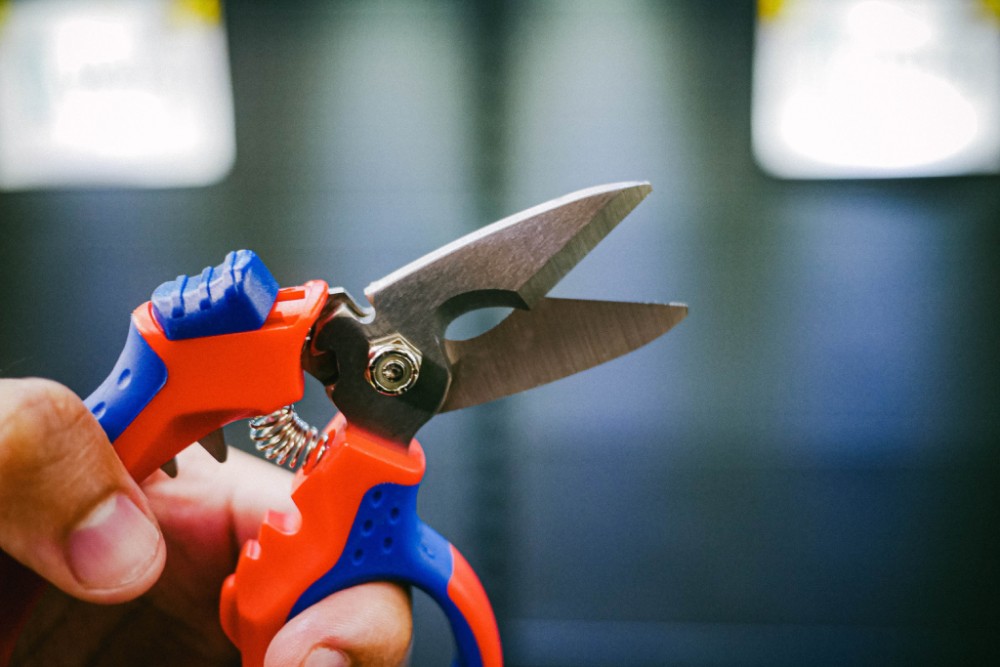
Many types of trade and craft tasks require different cutters depending on the nature of the job and specific purposes. Here are some common categories that use cutters: Construction work: cutting steel, pipes, or general metal materials using tools like Bolt Cutters or Pipe Cutters. Electrical and electronic work: cutting electrical wires, cables, or lead lines using tools like Wire Cutters or Cable Cutters. Woodworking and carpentry:
Cutting wood or wooden materials using tools like Wood Cutters. Plumbing and pipework: cutting plastic or metal pipes using tools like Pipe Cutters or Tube Cutters. Repair and maintenance: trimming unwanted parts or making adjustments according to job requirements. Crafts and art: cutting paper, fabric, or thin materials using tools like Paper Cutters or Fabric Cutters. Gardening and landscaping: using Pruning Shears to cut branches.
Conclusion
"Shears & Scissors: Essential and Indispensable Tools for Craftsmen." Shears and scissors play a vital role in craftsmanship as cutting tools that come in various forms, tailored for different tasks and purposes, making them versatile tools widely applicable across multiple professions.
Shears and scissors feature diverse designs, such as sheet metal shears/bolt cutters for construction, wire cutters ideal for electrical work, utility shears for art and craft, and more, each engineered to suit specific tasks and applications. They adhere to design standards such as blade lengths of up to 6 inches, sturdy blades, and comfortable handles, ensuring convenient and efficient operation.
Other Articles
How many types of shears and scissors are there in trade work, and what can each do?
FAQ: Frequently Asked Questions
Question 1: Which type of cutter is suitable for construction work?
- Answer: Bolt cutters are a great choice for construction work because they have thick, strong cutting jaws capable of cleanly cutting heavy steel rods or thick wires.
Question 2: How are wire cutters useful in electrical work?
- Answer: Wire cutters are ideal for electrical work because they have slim, sharp cutting jaws, allowing for fast and precise cuts on small wires and electrical cables.
Question 3: How versatile are pipe cutters?
- Answer: Pipe cutters come in various designs, some of which are adjustable. They are used for cutting metal or plastic pipes with high precision.
Question 4: How are wood shears/pruners different from other models?
- Answer: Wood shears/cutters have sharp cutting blades suited for trimming wood or timber materials, specially designed for woodworking and carpentry tasks.
Question 5: Do steel cable cutters have different cutting capabilities compared to other models?
- Answer: Steel cable cutters feature robust and durable cutting jaws designed for cutting heavy-duty cables or thick electrical wiring, specially engineered for electrical work and wire splicing.