


 EN
 ไทย


Customers Also Purchased
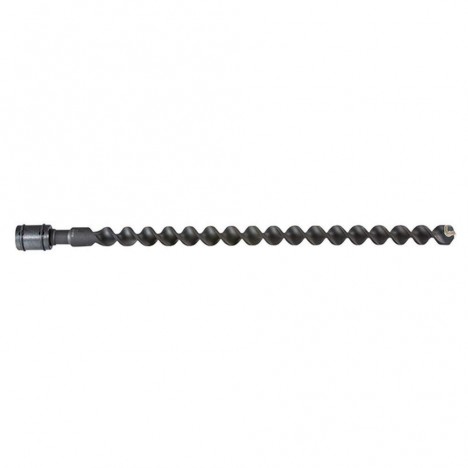
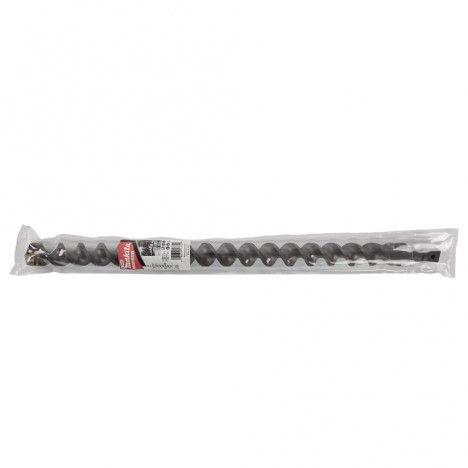
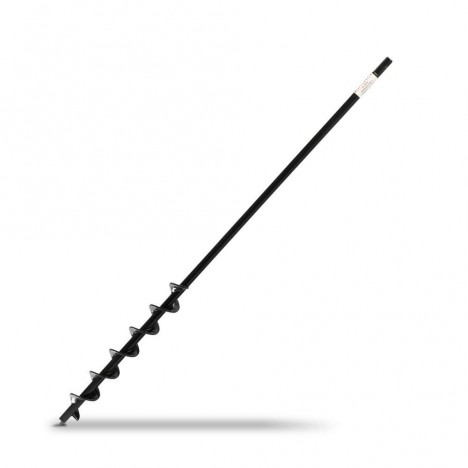
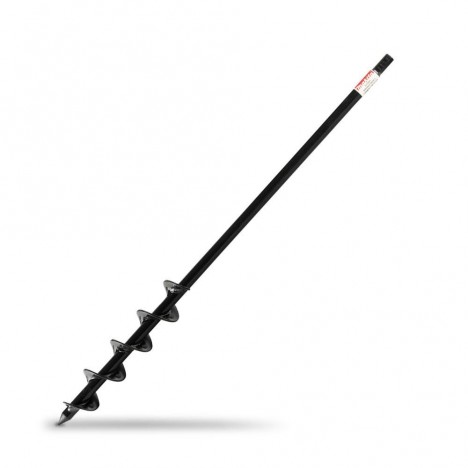
Earth auger Also known as an earth drill (English: Earth Auger), it consists of an engine unit fitted with a spiral blade or what is called an auger bit. It is used for boring or drilling various surfaces such as soil, rock layers, wood, or ice. Therefore, despite the name earth auger, it can still be used for other applications, but you must choose the right drill bit for the job. For example, in polar regions or areas with glaciers, earth augers are used to drill through ice for fishing, but for typical use, they are used to dig holes in agriculture and construction work.
Earth auger They are mainly divided into 2 types: handheld and machine-mounted. The first type is used for small-scale jobs, while the machine type is used for medium to industrial-scale work. It can perform heavy-duty work for long periods, is driven almost entirely by power equipment, and is often hitched to a cultivator or tractor, requiring very little human effort.
Handheld Earth Augers are bought and sold more frequently than machine-mounted types because they are easy to use and low-cost. Operating them requires holding the tool by hand and drilling into the desired spot. They can be designed for one-person or two-person operation, come in a variety of brands to choose from, and vary in design and weight according to their design and intended use. They are also divided into battery-powered electric models and fuel-powered models running on fuel such as gasoline.

Working Principle of an Earth Auger
The operating principle of an earth auger is similar to a drill, as the spiral blade rotates using engine power and discharges soil debris through the spiral flights. It is therefore not surprising that earth augers are also called earth drills. The performance of an earth auger depends on the engine type, rotation speed (RPM), power output, thrust force, and the type of auger bit.
Features of Earth Augers
Some earth augers use direct-drive motors, while others use hydraulic motors to balance torque and rotational speed (RPM). In addition, there are earth augers that use gear drive systems to deliver higher torque than other systems. This design enables them to dig through difficult ground conditions such as rock, shale, and clay, among others.
Earth augers attached to tractors or other machinery commonly used in agriculture can draw power from the engine to drive the mechanism, thus delivering greater drilling efficiency than handheld earth augers. However, because they produce such high power, extra caution is required during operation, as any accident can result in severe harm to both operators and property.
Handheld earth augers are portable or detachable and relatively lightweight. All models are powered either by electricity or internal combustion engines (using engine oil/fuel) to generate forward drive. Therefore, torque and RPM vary depending on the motor and power rating of that specific earth auger.
The drill bits of an earth auger are typically made of high-quality, durable steel, which is further subcategorized into types such as stainless steel and carbon steel. Many earth augers have tips or cores made of extra-tough materials, such as diamond powder coating, to penetrate hard objects in rock layers. Therefore, if used in mining to prospect for valuable commercial minerals, careful selection of the drill bit is essential.

How to Use an Earth Auger Efficiently and Safety Tips
1. Before performing any drilling, you should contact utility companies or property owners to help locate and mark buried underground utilities in order to prevent striking them and causing damage.
2. Always wear personal protective equipment before starting work, including safety glasses, hearing protection, gloves, and steel-toe safety shoes. Because using an earth auger requires standing close to a constantly running, loud engine, ear protection is very important. Steel-toe shoes also protect feet from being cut by the auger bit, as the tool must be held perpendicular to the ground during drilling, which is very close to your feet.
3. Wear snug, well-fitting clothing that is neither too tight nor too loose. Baggy clothes are clumsy and may cause tripping, while clothing that is too tight restricts movement, hinders full performance, and may prevent you from reacting to on-site issues in a timely manner.
4. Always clear the ground surface before starting to drill, as even weeds can cause the auger to jam. Then determine and mark all the drilling spots for speed and accuracy.
5. You should dig a shallow pilot hole with a shovel first to make digging easier, more accurate, and minimize deviations.
6. Start the engine following the manufacturer's recommendations in the manual, store guidelines, or OSHA regulations. Because the tool is dangerous, it must be operated in the most correct manner possible. Safety is of paramount importance. In 2020, there were 2 deaths resulting from work-related accidents involving earth augers.
7. Users must know the locations of the throttle and the engine shut-off switch so the machine can be stopped promptly in the event of an unforeseen situation.
8. When starting to drill, squeeze the throttle moderately—not too lightly or forcefully. Observe that the soil will gradually begin to be flung out along the auger flighting. Once drilled to a depth of about one foot, then increase the speed (throttle up).
9. If you hit a rock or the auger bit becomes jammed and cannot rotate, release the throttle immediately and let the machine idle until it stops, then dig out the obstruction before continuing to drill.
10. Once drilled deep, stop and lift the auger bit out periodically to clear debris from the hole or remove soil. This method helps the machine run more smoothly and correspondingly improves drilling efficiency.
11. After finishing digging, measure the hole depth as the final step to verify the accuracy of the work.
12. Clean the auger bit and let it dry at room temperature. Once dry, apply a few drops of oil to the joints or parts that help rotate the shaft. The machine should be stored in a dry place away from sunlight to prevent rust and ensure a long service life.

Brief Benefits of Earth Augers
★ Used for digging holes to plant seeds and trees
★ Used for digging holes to install fence posts, utility poles, or various structural posts
★ Used for digging soil to plant large trees
★ Helps move crop seeds more easily and quickly by pushing them up through a long metal tube as the flighting rotates
★ Used for drilling in coal mines
★ Used for drilling fossil fuels or hard shale within rock strata

Factors to Consider When Choosing an Earth Auger
☆ Engine type
☆ Scope of application (general, medium-duty, or industrial-grade tasks)
☆ Gear ratio
☆ Torque rating
☆ Fuel type and capacity
☆ Octane requirement or octane rating needed by the engine
☆ Clutch system, stopping, starting, and throttle control
☆ Compatible auger bit types
☆ Maximum continuous working time (Runtime)
☆ Material strength and durability
Read more >>> Earth auger <<< more