


 EN
 ไทย


Customers Also Purchased


How to Choose the Right Chain Hoist Size for Your Application
Chain hoists It is an essential tool used across various industries for lifting and moving heavy loads. Choosing the right size of chain hoist is crucial to ensure efficiency, safety, and optimal performance. In this article, we will guide you through the process of selecting the appropriate chain hoist size to meet your specific application needs. Whether you are a professional or a DIY enthusiast, these guidelines will help you make a well-informed and accurate decision suited to your work.
1. Introduction
When choosing a chain hoist, it is essential to consider several factors to ensure personnel safety and operational efficiency. By understanding load capacity, lifting height, required speed and control, as well as the working environment, you can determine the appropriate size of the chain hoist.
2. Understanding Chain Hoist Capacity
Chain hoists They come with specific weight capacities indicating the maximum load that can be safely lifted. Capacities are usually stated in tons or kilograms. It is crucial to choose a chain hoist with a capacity that exceeds the weight of the items you need to lift.
3. Evaluating the Load Weight
Before choosing a chain hoist, accurately determine the weight of the load you will be lifting. It is important to consider both the static weight and any additional dynamic forces that may apply during the lifting process. Accurately evaluating the load weight ensures you select a chain hoist that can handle the required load without undue strain.
4. Considering Lifting Height and Distance
Lifting height refers to the vertical distance the chain hoist needs to raise the load. It is essential to consider the lifting height when selecting a chain hoist, as it directly affects the size and type of hoist required. Additionally, if the load needs to be moved horizontally, factor in the travel distance as well. Some chain hoists are specifically designed for both vertical and horizontal movement.
5. Determining Required Speed and Control
The speed and control of a chain hoist play a significant role in various applications. Evaluate whether you need a hoist with variable speed control or a specific fixed lifting speed. The required speed and control depend on the nature of the load, the environment, and the precision needed during lifting and lowering.
6. Assessing the Working Environment
The operating environment significantly influences the choice of chain hoist size. Factors such as temperature, humidity, dust, and corrosive substances can affect hoist performance and lifespan. Consider whether the hoist needs to be corrosion-resistant, explosion-proof, or suitable for outdoor use.
7. Selecting the Right Chain Hoist Size
Based on the assessment of load weight, lifting height, required speed and control, and operating environment, you can now determine the appropriate chain hoist size. Refer to manufacturer specifications and recommendations to ensure the hoist meets all necessary requirements.
8. Factors to Consider When Choosing a Chain Hoist
In addition to load capacity, lifting height, speed, control, and working environment, several other factors should be considered when selecting a chain hoist:
- A) Safety Features: Look for chain hoists equipped with safety features such as overload protection, emergency stop buttons, and limit switches. These features ensure operator safety and prevent damage to the hoist in case of overloading.
- b) Durability and Reliability: Consider the construction and materials used in the chain hoist. Choose a hoist made from high-quality materials that can withstand heavy use and offer a long service life. Additionally, check for certifications and standard compliance to ensure that the hoist meets industry safety regulations.
- c) Ease of Maintenance: Choose a chain hoist that is easy to maintain and service. Look for hoists with accessible parts and straightforward maintenance procedures. Regular maintenance helps prolong the life of the hoist and ensures continuous optimal performance.
- d) Power Source: Consider whether you need an electric chain hoist or a manual chain hoist. Electric chain hoists are electrically powered and provide greater control and ease of use, especially for heavy-duty tasks. On the other hand, manual chain hoists rely on manual operation and are suitable for lighter loads or in situations where electricity is not available.
- e) Budget Considerations: Take your budget into account when choosing a chain hoist. While selecting a hoist that meets your requirements is essential, it is also important to strike a balance between quality and affordability. Compare prices, features, and warranties of different hoists to make an informed decision.
9. Maintenance and Safety Tips

Once you have chosen the correct size of chain hoist, it is crucial to follow proper maintenance and safety practices. Here are some tips to ensure the long service life and safe operation of your chain hoist:
- Regularly inspect the hoist for signs of wear, damage, or malfunction. Replace worn or damaged parts immediately.
- Lubricate the chain and other moving parts according to the manufacturer's recommendations.
- Follow the maintenance schedule recommended by the manufacturer.
- Train operators on the proper and safe use of the chain hoist.
- Store the chain hoist in a clean and dry environment when not in use to prevent corrosion and damage.
- Periodically perform load tests to ensure the hoist's capacity and performance.
By following these maintenance and safety tips, you can maximize the lifespan of your chain hoist and ensure safe lifting operations.
10. Different Load Ratings of Chain Hoists
Chain hoists These are versatile lifting tools available in various sizes and capacities. Let's explore the different weight ratings of chain hoists to see what their load capacities are and what each size is suitable for based on its capacity.
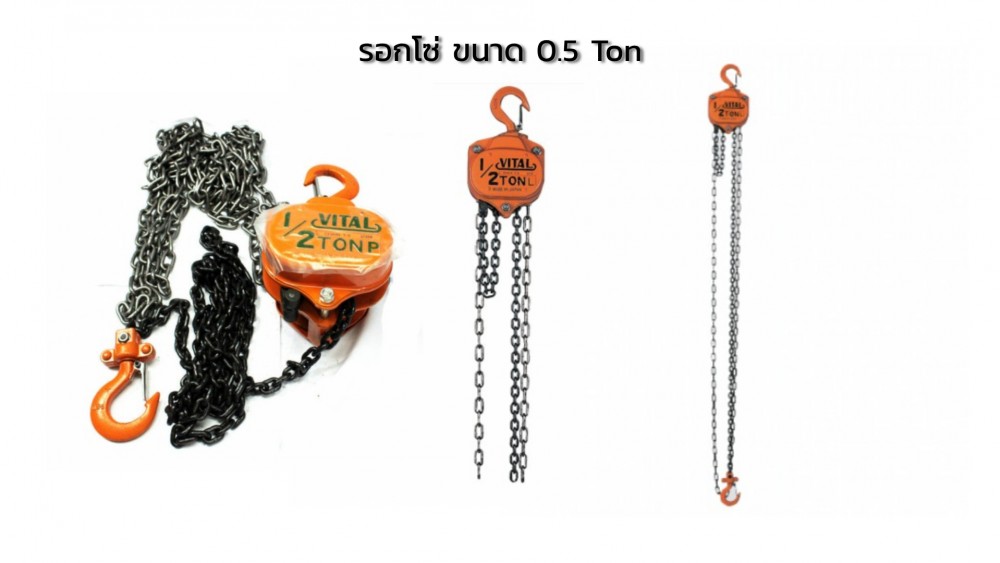
- 0.5-Ton Chain Hoist: A 0.5-ton chain hoist can lift loads weighing up to 500 kilograms or 1,102 pounds. This hoist is commonly used for light-duty tasks requiring precise and controlled lifting, such as in workshops, small manufacturing units, or for personal or production use across various applications.
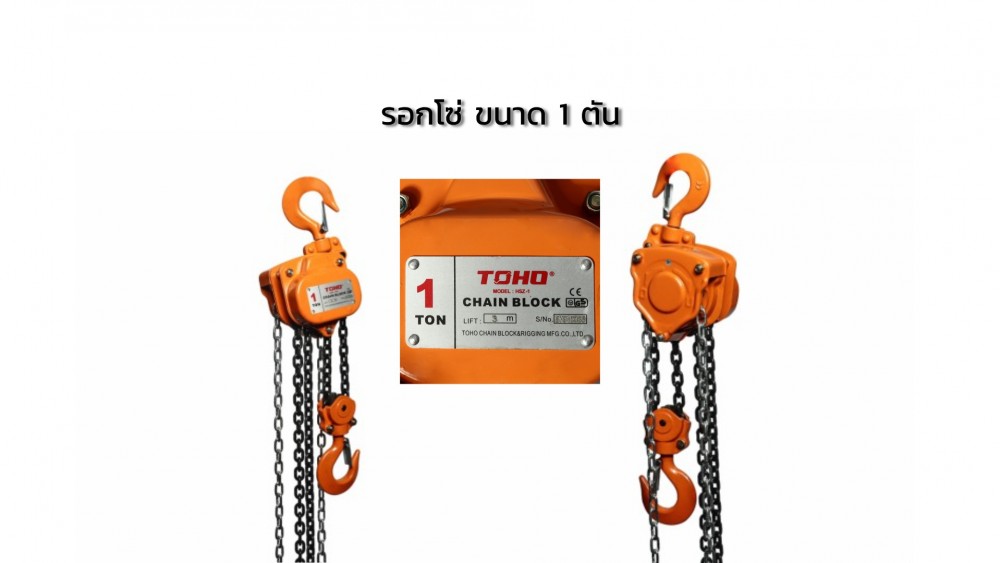
- 1-Ton Chain Hoist: A 1-ton chain hoist can lift up to 1,000 kilograms or 2,204 pounds. It is suitable for a wide range of applications, including construction, warehouses, manufacturing plants, and automotive repair shops. This hoist is frequently used for lifting medium-heavy loads with ease and greater efficiency when moving items.
- 1.5-Ton Chain Hoist: With a lifting capacity of 1,500 kg or 3,307 lbs, a 1.5-ton chain hoist is ideal for heavy lifting. It is used across various industries such as manufacturing, construction, and engineering, where large, bulky items must be lifted and moved safely for both the goods and operators.
- 2-Ton Chain Hoist: 2-Ton Chain Hoist Capable of lifting heavy loads up to 2,000 kg or 4,409 lbs, it is typically used in industrial settings, construction sites, and heavy-duty workshops. This hoist model provides increased lifting capacity, making it suitable for a wide variety of heavy lifting tasks.
- 3-Ton Chain Hoist: A 3-ton chain hoist has a lifting capacity of 3,000 kg or 6,614 lbs. Specifically designed for lifting operations in industries such as manufacturing, warehousing, and construction, this hoist model can handle substantial loads efficiently and accurately.
- 5-Ton Chain Hoist: With a lifting capacity of 5,000 kg or 11,023 lbs, a 5-ton chain hoist is engineered for heavy lifting tasks. It is commonly used in construction, mining, and manufacturing industries, where large, bulky loads must be lifted and positioned accurately.
- 10-Ton Chain Hoist: A 10-ton chain hoist is the most robust and heavy-duty option available, capable of lifting loads up to 10,000 kg or 22,046 lbs. This hoist is used in heavy industries such as steel mills, shipyards, and power plants, where extremely heavy loads require precise lifting and positioning. It is essential to choose the right chain hoist size based on the weight of the items you need to lift. Always consult manufacturer specifications and guidelines to ensure safe and efficient lifting.
11. Conclusion
Choosing the right chain hoist size is essential for efficient and safe lifting. By considering factors such as load weight, lifting height, speed, control, working environment, safety features, durability, and budget, you can select a chain hoist that matches your specific needs. Remember to prioritize safety, follow maintenance guidelines, and provide proper training to operators for optimal performance and a long chain hoist service life.
12. FAQs
Q1: Can I use a chain hoist to lift fragile or delicate items?
A: Using a chain hoist for fragile or delicate loads is not recommended, as the lifting process may cause damage. Consider alternative lifting methods for such loads.
Q2: How often should I inspect and maintain a chain hoist?
A: Regular inspections should be conducted before each use, and routine maintenance should be performed according to the manufacturer's recommendations.
Q3: Can a chain hoist be used outdoors?
A: Some chain hoist models are designed for outdoor use. Ensure you select a hoist specifically designed for outdoor applications and protect the hoist from harsh weather conditions.
Q4: What is the maximum load a chain hoist can lift?
A: The load capacity of a chain hoist varies by model and manufacturer. Always refer to the manufacturer's specifications for accurate weight capacity information.
Q5: Can a chain hoist be modified or altered to increase its lifting capacity?
A: No, a chain hoist should never be modified or altered to increase its lifting capacity. Modifying a hoist can compromise its structural integrity, safety features, and load-bearing capacity, leading to dangerous situations. It is crucial to select the proper hoist size for your specific lifting needs.
Q6: Are there specific certifications or standards to look for when choosing a chain hoist?
A: Yes, when choosing a chain hoist, look for certifications and standards such as CE (Conformité Européenne), ANSI (American National Standards Institute), and OSHA (Occupational Safety and Health Administration). These certifications ensure that the hoist meets safety and performance standards.
Q7: Can a chain hoist be used for both vertical and horizontal lifting?
Answer Yes, there are chain hoists designed for both vertical and horizontal movement. These hoists feature accessories such as trolleys or other attachments that allow loads to be moved horizontally as well.
Q8: How do I determine the lifting height when choosing a chain hoist?
A: Measure the vertical distance between the starting point and the highest point to which the load needs to be lifted. This measurement will help you determine the appropriate lift height for your chain hoist.
Q9: What should I do if I encounter an issue or problem with my chain hoist?
A: If you encounter any problem with your chain hoist, stop using it immediately and consult the manufacturer's manual or contact customer support for guidance. It is important not to attempt repairs or troubleshoot unless you have the necessary expertise.
Q10: Can a chain hoist be used for continuous, prolonged lifting?
A: Chain hoists are primarily designed for intermittent lifting. Continuous and prolonged lifting can cause excessive stress on the hoist and lead to overheating. If you require continuous lifting, consider other lifting mechanisms suited for such applications.
Other Related Topics
- How to Maintain a Chain Block for Safe Operation
- Do's and Don'ts of Using a Chain Hoist
- Factors to Consider When Choosing the Right Chain Hoist for Your Application
Remember that selecting the right chain hoist size is essential for safe and efficient lifting. By considering factors such as load capacity, lift height, speed, control, and the operating environment, as well as following proper maintenance and safety guidelines, you can choose a chain hoist that matches your operational needs and ensures smooth, reliable lifting operations.