


 EN
 ไทย


Customers Also Purchased
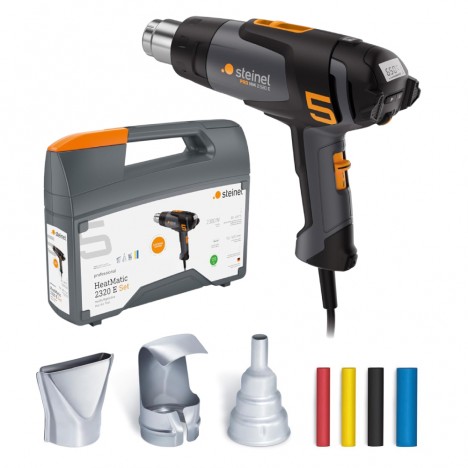
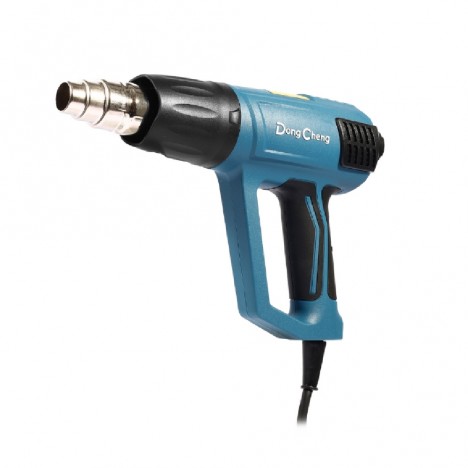
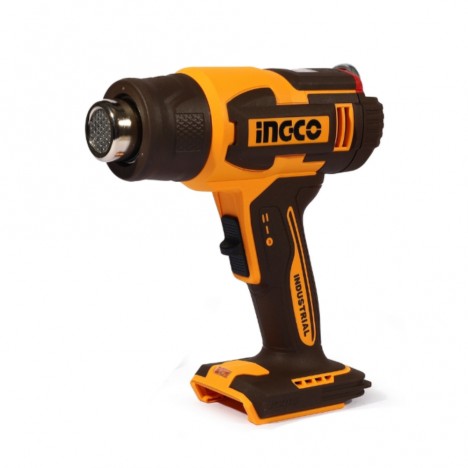
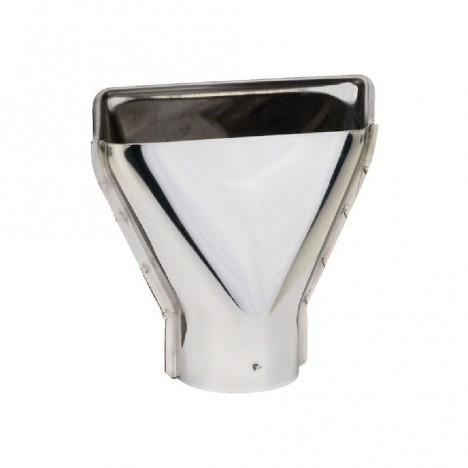
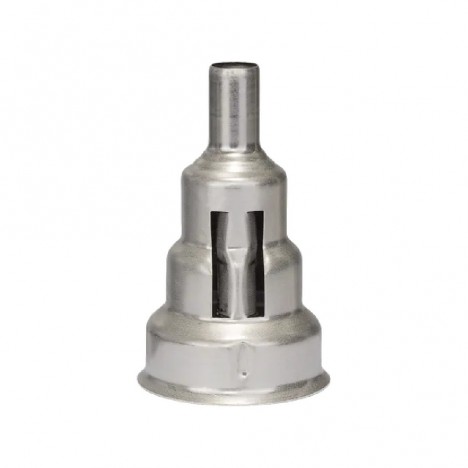
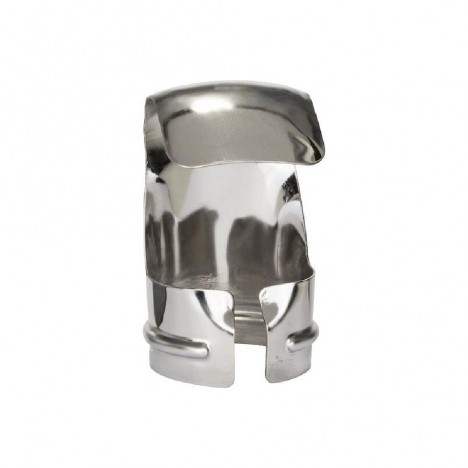
Heat Guns It is a versatile handheld tool that generates a stream of hot air, commonly used in various applications that require heating materials or surfaces. Heat guns are designed to generate high temperatures via an electric heating element and blow out hot air. Having a heat gun is essential for tasks ranging from electronics and decorating to plumbing, surface preparation, or window tinting—all of which can be done much faster with the right heat gun.

Paint Removal from Metal
You can use a heat gun to remove paint from metal. Start with the heat gun on the lowest setting. Hold it a few inches away from the metal and move it back and forth slowly. Once the paint is warmed up, remove it with a putty knife or paint scraper. Be careful not to apply too much heat, as excessive heat can warp the metal.
Removing Wallpaper Borders
You can also use a heat gun to remove wallpaper borders. Use a high heat setting to melt the adhesive and use a scraper to peel the wallpaper back. Important: This damages the wallpaper beyond repair, so do not do this if you intend to reuse it.
Stripping Paint from Wood
A heat gun removes paint from wood by blowing hot air until the paint blisters and peels away. The trick is to find the right temperature. A heat gun set too low will take too long, while one set too high will char the wood. It is best to start on a low setting and move up later if needed.
Molding and Bending
Heat guns are used to soften and mold materials such as PVC plastics or acrylics. By heating the material with a heat gun, it becomes pliable, allowing it to be bent, formed, or molded into the desired shape. These are just a few examples of heat gun uses. It is important to follow safety guidelines and manufacturer instructions when using a heat gun to ensure proper use and prevent accidents or damage to materials.
Which Heat Gun Should You Choose?
The choice between a cordless heat gun and a corded heat gun depends on your specific needs and preferences. Both types have different pros and cons.
► Cordless Heat Gun

1. Cordless heat guns are portable and offer greater mobility because they are not tethered by a power cord, making them convenient for use in locations without power outlets or outdoors.
2. Cordless heat guns can be used in tight or hard-to-reach spaces more easily without a power cord in the way, allowing for greater maneuverability and flexibility during use.
3. Consider the battery life of the cordless heat gun. Depending on the model, batteries may have limited runtime and require periodic recharging. It is important to ensure the battery runtime is sufficient for your intended application.
4. Cordless heat guns may have slightly lower power output compared to corded models, which can affect the heating speed and efficiency on certain materials or demanding tasks.
► Corded Heat Gun

1. Corded heat guns provide continuous power as long as they are connected to a power outlet. This is an advantage when you need to use the heat gun for extended periods without unexpected interruptions.
2. Corded heat guns typically deliver higher power output compared to cordless models, which can result in faster heat-up times and more efficient heat generation, making them suitable for heavy-duty applications.
3. Unlike cordless heat guns, corded heat guns do not rely on batteries, eliminating concerns about battery life or the need to recharge. This can be important for tasks that require long or continuous use.
4. The main limitation of a corded heat gun is its reliance on a power cord. The cord can restrict movement and make it inconvenient to use in areas without nearby power outlets or outdoors.


How to Use a Heat Gun Safely
Typical heat guns can reach up to 650°C (1,200°F), meaning they can cause burns if used without taking proper precautions beforehand. Although an open flame is more dangerous than the hot air from a heat gun, this tool can still crack or ignite other materials, leading to shattered glass or injuries.
► First of all, purchase a heat gun from a reliable shop and carefully follow the manufacturer's instructions.
► Wear safety glasses and heat-resistant gloves when operating a heat gun, as well as a respirator mask if working in confined spaces.
► Before you start working, make sure the power cord is long enough to reach your work area, unless you have a cordless heat gun.
► Ensure good ventilation in the area where the heat gun is used.
► When using a heat gun to strip paint, make sure to wear a protective mask, as the fumes emitted from melting paint can be hazardous.
► Make sure any surface is clear of debris such as wood shavings and sawdust, as they can catch fire.
► Always use the heat settings recommended by the manufacturer.
► Do not block the air inlets of the heat gun during operation.
► When the job is finished, place the heat gun on a heat-resistant surface and let it cool completely before storing it away.

Heat Gun FAQ
Q: Is a heat gun hotter than a hair dryer?
A: Even a small heat gun can reach significantly higher temperatures than a hair dryer. Typically, a hair dryer reaches a maximum temperature of around 140 degrees Fahrenheit, while many heat guns, including cordless ones, have a minimum temperature of around 120 degrees Fahrenheit.
Q: Can you weld plastic with a heat gun?
A: Plastics can be welded with a heat gun. These tools are often used to weld high-density polyethylene and polypropylene plastics because these plastics are difficult to bond effectively with glue.
Q: How long can you run a heat gun?
A: The exact duration a heat gun can be left on varies depending on the product. However, it is not recommended to use a heat gun continuously for more than 15 to 20 minutes before letting it cool down.
