


 EN
 ไทย


Customers Also Purchased


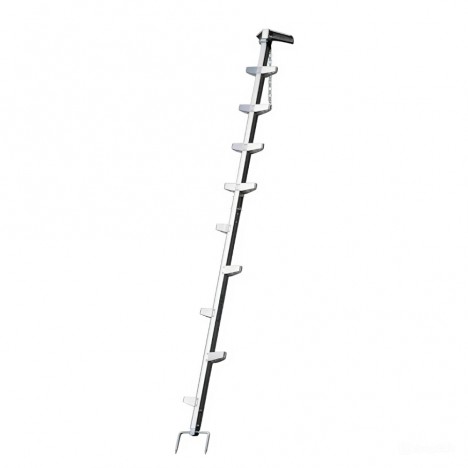
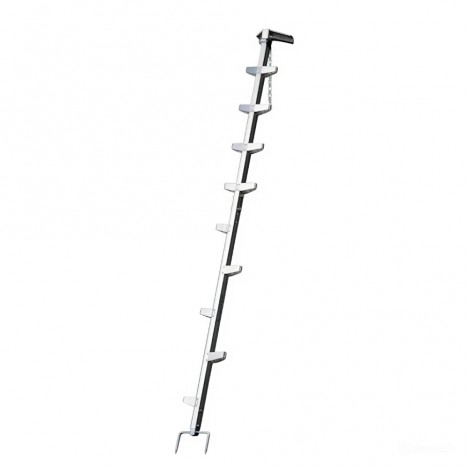
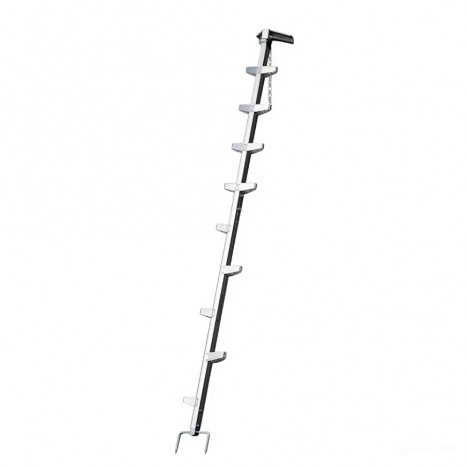

How do 5-step, 7-step, and 10-step aluminum ladders differ in use?
Many people may wonder what the difference is between 5-step, 7-step, and 10-step aluminum ladders. As aluminum ladders are versatile and widely used for various residential and commercial purposes, the number of steps is a crucial factor to consider when choosing one. Different ladder sizes, such as 5 steps, 7 steps, and 10 steps, offer unique advantages and are suited for specific applications. In this article, we will explore the key differences between these ladder sizes, helping you make an informed decision when choosing the right ladder for your needs.
Aluminum Ladders They are a popular choice due to their lightweight yet sturdy construction, providing a safe and reliable way to access elevated areas for tasks such as cleaning, painting, repairs, and more. Choosing the right ladder size is essential for maximum safety and efficiency in completing your work with ease. Furthermore, using an aluminum ladder safely also depends on the nature of your specific task.
Understanding the Basics of Aluminum Ladders
Before diving into the differences between ladder sizes, let's briefly understand the basics of aluminum ladders. These ladders are constructed using high-quality aluminum alloy, which offers numerous advantages. Aluminum is lightweight, rust-resistant, and durable, making it an ideal material for ladder manufacturing. Additionally, aluminum ladders are non-magnetic, making them suitable for environments where magnetic interference might be a concern.
When it comes to safety, aluminum ladders often feature attributes such as slip-resistant rungs, rubber feet for enhanced stability, and safety locks to prevent accidental folding or collapsing. These safety considerations are essential for ensuring stability and minimizing the risk of accidents or injuries while using the ladder.
5-Step Aluminum Ladder

The 5-step aluminum ladder is a compact and portable choice, ideal for tasks requiring moderate height. Typically, these ladders have a height range of about 4 to 6 feet, providing a comfortable reach for tasks such as changing light bulbs, accessing shelving, or performing minor repairs. The compact size and light weight of the 5-step aluminum ladder make it convenient for indoor use and in space-constrained areas.
These ladders usually have a load capacity of around 225 to 250 lbs, allowing most individuals to use them safely. Designed to be sturdy and stable, they provide a secure base for working at moderate heights. However, it is important to note that a 5-step aluminum ladder may not be suitable for tasks requiring access to high areas or carrying heavy loads.
7-Step Aluminum Step Ladders

Moving on to the 7-step aluminum ladder, these ladders offer greater height range and versatility compared to 5-step models. With a typical height range of 6 to 10 feet, the 7-step ladder is ideal for tasks requiring reach to high shelves, ceilings, or maintenance work in residential or commercial spaces.
The additional steps provide enhanced stability and balance, allowing users to work comfortably at height. The load capacity of a 7-step aluminum ladder is typically higher, ranging between 250 and 300 lbs, enabling the ladder to support heavier individuals or carry additional tools and equipment.
The 7-step aluminum ladder is also relatively portable and easy to maneuver, making it suitable for a wide range of applications. However, it is important to consider the available space for storage and transportation, as it may require slightly more room compared to a 5-step ladder.
Comparing 5-Step and 7-Step Aluminum Ladders
When choosing between a 5-step and a 7-step aluminum ladder, several factors come into play. One major difference is height and reach capability. While both ladder sizes can access elevated areas, the 7-step ladder provides a broader reach, allowing users to work at greater heights with much more ease.
Stability is another crucial consideration. With more steps, a 7-step ladder tends to offer increased stability and reduced wobbling compared to a 5-step ladder. This is especially beneficial when working on uneven surfaces or carrying heavier loads.
In terms of practicality and portability, the 5-step ladder holds an advantage due to its compact size and lighter weight. It is easy to store, transport, and maneuver in tight spaces. On the other hand, the 7-step ladder offers enhanced versatility and flexibility of use, making it suitable for a wider variety of tasks.
10-Step Aluminum Ladder

For tasks requiring greater height, the 10-step aluminum ladder is the ideal choice. These ladders offer an extended height range, typically around 10 to 16 feet. They are suitable for tasks such as construction, exterior building maintenance, accessing elevated structures, ceiling work, installing lighting fixtures, or modifying overhead structures.
The additional steps enhance stability and reach, allowing users to work comfortably at considerable heights. 10-step aluminum ladders often come with extra safety features, such as adjustable safety stabilizers and heavy-duty locking mechanisms, to ensure maximum stability and prevent accidents.
However, please note that a 10-step ladder can be bulkier and heavier compared to 5-step and 7-step ladders. This can affect portability and maneuverability, making it best suited for jobs requiring extended heights and where transportation and storage space are not major concerns.
Differences Between 5-Step, 7-Step, and 10-Step Aluminum Ladders
To summarize the key differences between 5-step, 7-step, and 10-step aluminum ladders:
1. Height and Reach: A 5-step ladder provides access to moderate heights, while a 7-step ladder offers extended reach, and a 10-step ladder enables access to much greater heights.
2. Stability and Balance: As the number of steps increases, so does the ladder's stability and balance; 7-step and 10-step aluminum ladders tend to be more stable and less wobbly compared to 5-step ladders.
3. Weight Capacity: 5-step ladders typically support around 225 to 250 pounds, while 7-step ladders often hold up to 250 to 300 pounds. 10-step ladders may support even higher capacities depending on the specific model.
4. Practicality and Portability:5-step ladders are more compact and lightweight, making them easier to store, transport, and maneuver in tight spaces. 7-step and 10-step ladders, although slightly bulkier, offer greater versatility and are suitable for a wider variety of tasks. When choosing among these ladder sizes, it is important to consider the specific requirements of your job, including height needs, weight capacity, stability, and portability.
Factors to Consider When Choosing an Aluminum Ladder
In addition to ladder size, there are several other factors to consider when choosing aluminum ladders
1. Purpose and Application Requirements: Determine the specific tasks and applications for which you will use the ladder. Consider the required reach height, weight capacity requirements, and the environment where the ladder will be used (indoors, outdoors, or both).
2. Safety Features and Certifications: Look for ladders with essential safety features such as non-slip rungs, anti-slip spreader bars, safety locks, and non-slip feet. Additionally, check whether the ladder has certifications such as ANSI (American National Standards Institute) or OSHA (Occupational Safety and Health Administration) to ensure it complies with safety standards.
3. Durability and Maintenance: Aluminum ladders are known for their durability, but it is important to choose one with a sturdy construction to withstand regular use. Consider the overall build quality of the ladder and the materials used. Also, check whether the manufacturer specifies maintenance requirements to ensure the ladder has a long service life.
Frequently Asked Questions (FAQ)
FAQ 1: Are aluminum ladders suitable for outdoor use?
Yes, aluminum ladders are suitable for outdoor use. They are resistant to rust and corrosion, making them durable and long-lasting even in varying weather conditions.
FAQ 2: Can aluminum ladders be used for commercial purposes?
Yes, aluminum ladders are commonly used for commercial purposes. They are lightweight, portable, and stable enough for a wide range of commercial applications, such as construction, maintenance, and warehouse operations.
FAQ 3: Are there weight limits for aluminum ladders?
Yes, aluminum ladders have weight capacities that vary depending on the size and model of the ladder. It is essential to check the weight rating specified by the manufacturer to ensure safe use.
FAQ 4: How can I ensure aluminum ladder safety?
To ensure ladder safety, always follow the manufacturer's guidelines and instructions. Make sure the ladder is placed on a firm, level surface. Wear appropriate footwear, maintain three points of contact while climbing up or down, and avoid overreaching or leaning to maintain balance. Regularly inspect the ladder for signs of damage or wear, and replace it if necessary.
FAQ 5: Can aluminum ladders be adjusted for uneven surfaces?
Some aluminum ladder models come with adjustable legs or stabilizers that allow them to be leveled on uneven ground. These features help increase stability and ensure safe use on various terrains. Always remember to prioritize safety when using any ladder. Follow proper ladder usage techniques, adhere to safety guidelines, and take necessary precautions to reduce the risk of accidents or injuries.
Conclusion
In conclusion, the choice between a 5-step, 7-step, and 10-step aluminum ladder depends on the specific requirements of your task. A 5-step ladder is ideal for moderate-height access and offers easy portability, while a 7-step ladder provides increased reach and stability. A 10-step ladder is best suited for jobs requiring greater heights, though it may be less portable. When selecting an aluminum ladder, consider factors such as height and reach requirements, stability, weight capacity, practicality, and safety features. By carefully evaluating these factors and understanding your specific needs, you can choose the right ladder that ensures both safety and efficiency in getting your work done.