


 EN
 ไทย


Customers Also Purchased


Drill Bit (In English: Drill Bits) are used for fastening holes or pilot holes in various applications, whether it's woodworking, masonry, metalworking, or tile work. Because different materials have varying properties—such as elemental composition, hardness/softness, and tendency to chip or shatter—drill bits used for each type of work are designed differently in both appearance and material.
This article shares knowledge and techniques for choosing drill bits for each type of tradeswork, making it easier for craftsmen to select the right new tools for the job in 2023.
1. Choosing Drill Bits for Masonry Work
Let's start with masonry work, which also includes brickwork. Although brick is harder than concrete, the same bits can be used, and they can also drill into stone. Naturally, masonry drill bits are an absolute must-have. You must never substitute metal drill bits for them, as that would be an improper and unsafe use due to their different design characteristics.
Masonry drill bits feature a large diameter and tungsten carbide coating, which provides the highest strength among drill bits for various applications. For masonry drill bits, the sharper they are, the better, as they help minimize chipping around the edges of the concrete where it isn't wanted compared to duller bits.
Popular masonry drill bit sizes for home and building work are 3/8 inch, while for heavy-duty work, sizes are 1/2 - 5/8 inch. These are sizes you should definitely keep in your toolbox.
For structural work where there's a chance of hitting rebar or nails while drilling, you can use rotary hammer drill bits capable of penetrating through both concrete and steel.

2. Choosing Drill Bits for Metalwork
Metalwork also encompasses various types of metals, whether aluminum, stainless steel, or carbon steel. Therefore, the metal drill bits we discuss must be subdivided accordingly, as follows:
▶ Choosing Drill Bits for Aluminum
Although aluminum is an easy material to drill, it creates a lot of friction, causing drill bits to wear out quickly. Therefore, solid carbide drill bits are suitable for aluminum because they are exceptionally strong and durable, retain their sharpness longer than other materials, and offer a long service life.
You should avoid drill bits with Al-coatings or colored coatings. If not for regular heavy-duty use by specialized tradesmen, but just for repairs, decoration, or DIY work, HSS (High Speed Steel) drill bits can be used, which is more economical. However, you should not choose ones that are too cheap, as they may lack quality and end up costing more in the long run.
▶ Choosing Drill Bits for Drilling Carbon Steel (CARBON STEELS)
Carbon steel is tough and the most difficult to drill among the 3 types of steel mentioned. It is suitable for drill bits with a TTCP coating, which helps make the drill bit tougher and more durable, while the smooth surface allows the bit to spin faster and evacuate metal chips better.
For drilling thin steel, HSS bits can be used. However, for thick steel and heavy-duty work, M35 or M42 cobalt bits are more suitable. The higher the cobalt content, the higher the drill bit's heat resistance and durability—strong, wear-resistant, and easily drilling through thick steel.
▶ Choosing Drill Bits for Drilling Stainless Steel and Hardened Steel (HARDENED STEEL)
Stainless steel and hardened steel are slippery and difficult to drill, but just like carbon steel, drill bits with 5% - 8% cobalt can handle them. M35 bits contain 5% cobalt, while M42 bits contain 8% cobalt. There is no need for higher content because, even though stainless steel and hardened steel are difficult to drill, they are not as difficult as carbon steel.

3. Choosing Drill Bits for Woodworking
Wood drill bits are very easy to identify with the naked eye because the flutes are widely spaced and open to evacuate wood chips well and drill quickly. On the other hand, choosing a wood drill bit can sometimes be difficult because woodworking is delicate and workpieces can be adapted into endless forms. Thus, wood drill bits come in many designs. It is recommended to look at the type of hole you want to drill for an easier choice, as exemplified by the various wood drill bits below:
- Snake drill bit : Auger bit with a screw tip at the end, used for drilling deep holes
- Forstner drill bit : Drill bit for drilling wide, shallow holes
- Flat drill bit : Spade bit for drilling wide, deep, and fast holes
- Countersink drill bit : Triangular umbrella-shaped bit used for deburring drilled holes
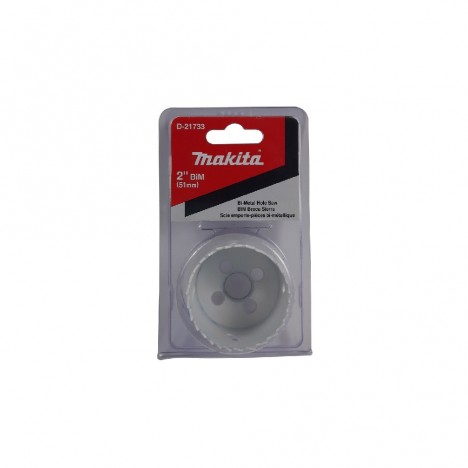
- Hole saw drill bit : Drill bit for drilling pilot holes (through-holes), available in various hole diameters

4. Choosing Drill Bits for Tile Work
Tile drill bits differ from drill bits for other materials because the tip looks like a cutter blade. Tile drill bits come in only a few types, separated into wet and dry types. The wet type requires water during drilling to prevent the tile from cracking or sustaining damage. The dry type contains a built-in coolant or wax that melts to provide lubrication during use.
The cutting edge of a tile drill bit is made of tungsten carbide or coated with diamond powder, making it extremely sharp and strong. It can be used to drill both tile and glass. Tiles have a PEI (Porcelain Enamel Institute) rating from 0 to 5, which indicates the hardness of tiles used in various construction applications. This helps you better select drill bits that match specific tiles, for example:
- Glass & tile drill bit : Tiles for bathroom and kitchen floors and walls, home flooring, small offices, and boutique shops are standard tiles with a PEI Class 3 rating—a medium value that is neither too hard nor too soft, supporting moderate loads. General tungsten carbide-tipped tile drill bits can be used.
- Ceramic tile drill bit : Ceramic or marble tiles used in medium commercial areas such as hotels, hospitals, restaurants, and banks have a PEI Class 4 rating. Dedicated ceramic tile drill bits made of higher-quality tungsten carbide than the first type should be used.
- Diamond core drill bit : Heavy-duty, thick tiles used for swimming pools, food courts, public buildings, and shopping malls have a PEI Class 5 rating. Diamond core or diamond-tipped tile drill bits should be used, which are the sharpest and strongest, capable of handling all types of tile, as well as glass and granite.

Read more >>> Drill Bit <<<
