


 EN
 ไทย


Customers Also Purchased
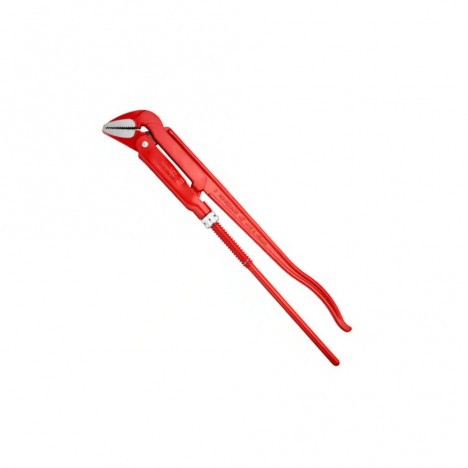
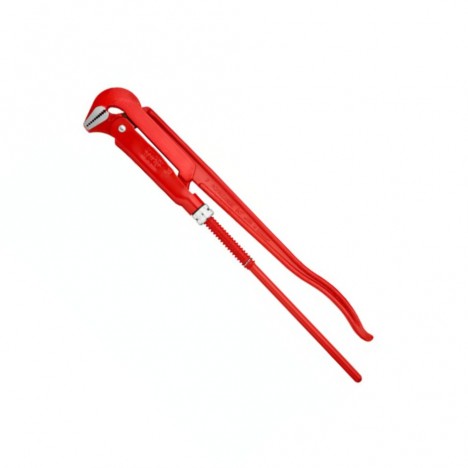
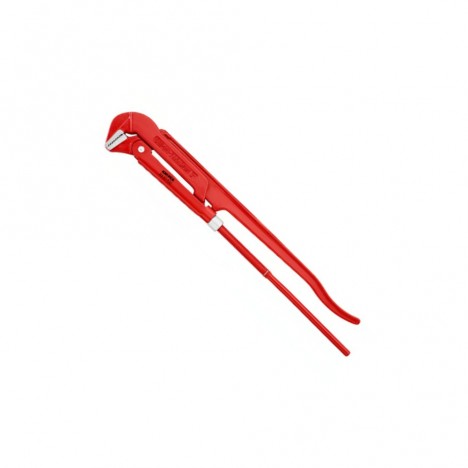
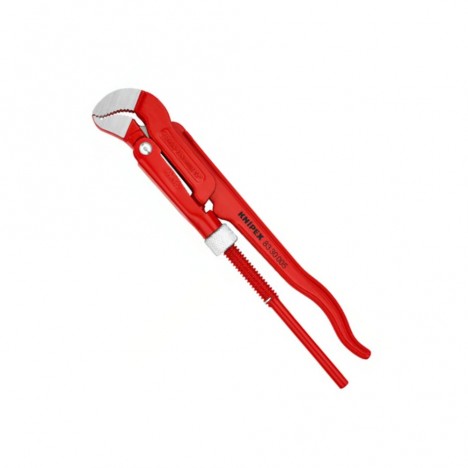
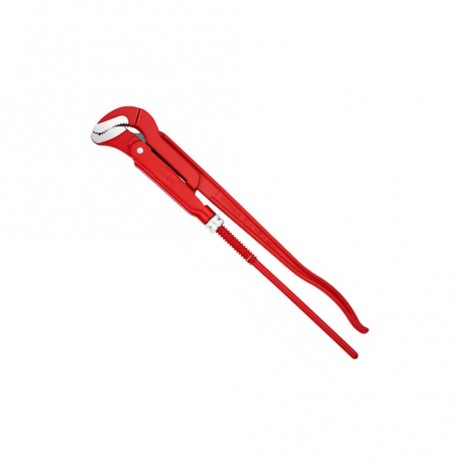
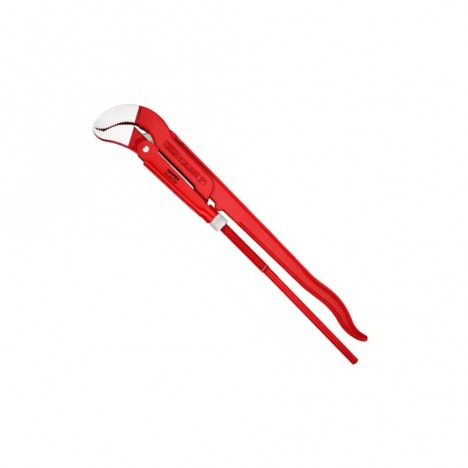
What is a pipe wrench? What is it used for?
Pipe wrench Also known as a pipe wrench, it is a type of adjustable wrench designed for plumbing work. It is used to grip and turn threaded pipes or other fasteners, made of aluminum or metal. The jaws have serrated teeth that conform to various shapes of pipes or fittings, whether round, square, or hexagonal. It grips pipes securely without slipping during use and is convenient to operate in tight spaces, such as under kitchen sinks or washbasins. The long handle provides high torque or leverage to tackle tightly fastened pipes.
How to use a pipe wrench properly
1. Place the wrench on the pipe with the jaws facing the direction you want to turn the pipe.
2. Ensure that the pipe is centered between the two jaws. No other part should touch the pipe except the serrated teeth on the jaws; otherwise, the wrench will not grip the pipe firmly and may slip off.
3. Adjust the jaw to clamp securely onto the pipe.
4. Pull or push the wrench in the direction you want the pipe to tighten or loosen.

Why does pipe wrench size matter?
Choosing the right size is always a headache when it comes to pliers and wrenches, because if you buy the wrong size, that wrench or plier might be completely unusable. That is a waste of money if you cannot repurpose it for other jobs.
Therefore, the size of wrenches and pliers is one of the first and most critical factors to consider before purchasing. The same goes for pipe wrenches. To match various pipe and fastener sizes, they are available in a wide variety of sizes, ranging from small 2–3 inch models all the way up to over 60 inches.
The table below shows the recommended pipe wrench sizes or lengths for various pipe sizes (measured by diameter). However, for applications that do not require high torque—meaning the pipe does not need to be tightened very tightly—you can use a size smaller than recommended in the table.

Pipe wrench sizes for various applications
☆ Home repairs and DIY projects are best suited for 12-inch and 14-inch pipe wrenches, which are medium-sized—neither too small nor too large—and adequately cover various pipes throughout the home.
☆ Plumbing and engineering contracting are professional trades best suited for standard-sized pipe wrenches such as 18-inch and 24-inch models, which accommodate residential, commercial, and relatively large industrial pipes.
☆ For industrial plants, it is impossible to specify a single most suitable pipe wrench size, as different factories and facility scales implement varied plumbing systems based on specific layout characteristics and conditions. Some facilities may have multiple systems using diverse pipes and connectors, requiring a variety of wrench sizes—a single wrench will not suffice. Therefore, you must first know the diameter of the pipe you will be working on to select the appropriate wrench.

Key factors when choosing a pipe wrench
★ Choose a pipe wrench of the right size/length
As mentioned, and to emphasize: the size of the pipe wrench is one of the top factors to consider. Beyond compatibility with pipe sizes in various jobs, it also directly affects the tightening torque or leverage that a wrench of that size can deliver.
It is not just about durable materials; larger wrenches with longer handles provide greater leverage. If you need to choose between wrenches with the same jaw capacity, look at the material and handle length as secondary deciding factors. If you plan to use it on steel pipes or Syler pipes, it is recommended to opt for a longer handle.
★ Choose a pipe wrench that is strong and durable
For tight, stubborn steel pipes, you need a strong, durable wrench made of a material that will not bend or break during use, such as cast iron, which offers the greatest strength. The disadvantage of cast iron is its heavy weight. If you prefer a lighter option, you might choose aluminum or alloy materials instead, though they will not be as strong as forged cast iron wrenches.
★ Choose a pipe wrench with sharp teeth
On both sides of the wrench's jaws, there are serrations (heel jaw) that help grip the pipe and prevent slipping when applying torque. A good wrench should have sharp teeth; otherwise, it won't grip securely.
However, for fragile pipes such as PVC, PP-R, or pipes with special coatings or materials, teeth that are too sharp can do more harm than good, causing scratches, peeling, denting, or cracking. There are also wrenches with plastic teeth, which provide a gentler touch while still maintaining good grip.
★ Choose a pipe wrench with smooth adjustment
As mentioned earlier, a pipe wrench is a type of adjustable wrench designed to fit various sizes and shapes of pipes and fittings, making work convenient and accommodating multiple pipe sizes. The sliding mechanism is therefore something you should check carefully when choosing. If the adjustment is stiff, it will cause inconvenience and waste unnecessary time, and applying oil may not always be suitable for every wrench. Therefore, if possible, it is best to choose one that adjusts smoothly and locks securely from the start.
Read more >>> Pipe wrench <<< more
