


 EN
 ไทย


Customers Also Purchased
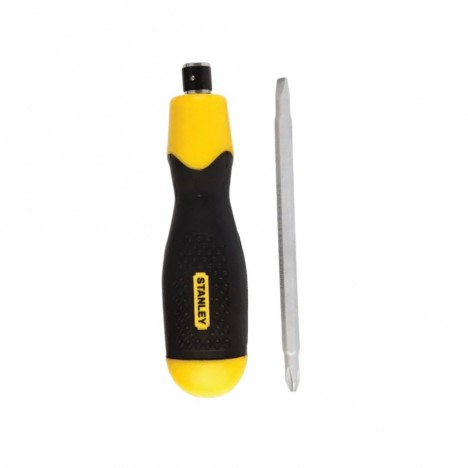

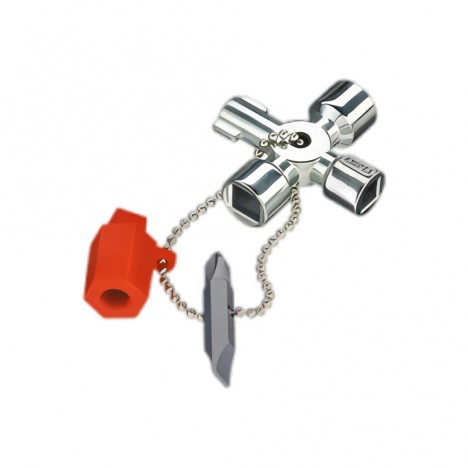
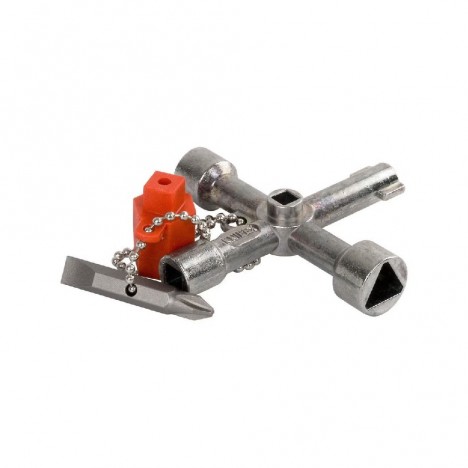


Currently, Screwdrivers They are available in various sizes and shapes, with the most commonly used screwdrivers being Phillips and slotted (flathead) screwdrivers. First, I will explain how to choose the right screwdriver, as some users still don't know how to pick the proper one. In this article, I will introduce how to select the right screwdriver suited for your intended use.
A screwdriver is a simple yet essential tool used to tighten or loosen screws. Here are the steps to use it correctly:
Choose the right screwdriver for the job: Make sure you have the correct type and size of screwdriver for the screw you are using. Using the wrong size or type of screwdriver can damage the screw or the screwdriver itself.
Position the screwdriver: Hold the screwdriver with your dominant hand and place the tip of the screwdriver into the screw head.
Apply pressure: Use your other hand to apply pressure to the top of the screwdriver, holding it in place as you turn. If using a manual screwdriver, turn clockwise to tighten the screw and counterclockwise to loosen it. If using an electric or cordless screwdriver, press the trigger to start the screwdriver and the reverse button to change its direction.
Use the right amount of force: Do not use excessive force, as this can damage the screw or screwdriver. Apply just enough force to keep the screwdriver seated, but do not force it.
Remove the screwdriver: Once the screw is sufficiently tightened or loosened, remove the screwdriver from the screw head.
Store the screwdriver: Always store screwdrivers in a dry place and make sure they are clean and free of dirt or debris.
By following these steps, you will be able to use a screwdriver properly and efficiently. Remember to choose the correct screwdriver, apply the right amount of force, and store it properly to ensure its long service life.
What is a Screwdriver?
A screwdriver is considered an essential household tool commonly seen in homes and various locations, used primarily for tightening or loosening screws. Basically, a screwdriver consists of 3 main parts: the handle, the shank, and the screwdriver tip. Further subcategories of screwdrivers depend on the tip style and the type of screw being driven, but the most commonly used screwdrivers are Phillips screwdrivers and flathead screwdrivers.

Types of Screwdrivers You Should Know Before Use
How to Use a Screwdriver
Choose the Right Screwdriver for the Job
Before picking up a screwdriver, take a moment to consider where you will be working. Screwdrivers come in many sizes, so if you know you will be working in tight spaces, consider using a screwdriver with a short shank. Likewise, if you need to access a fastener under a car hood or deep inside a wall, a screwdriver with a long shank may be the right choice. I also recommend considering the handle material and choosing a screwdriver suited to the job. Soft-grip handles are great for reducing hand fatigue during prolonged work, but if you only need to drive a few screws, using a screwdriver with a hard plastic handle may provide better control and driving power.
Make Sure the Screwdriver Fits the Screw
Before using a screwdriver to tighten or loosen a screw, check that the screwdriver tip size matches the fastener. The tool should fit the width and length of the fastener's slot as closely as possible. If the screwdriver is too large, it won't fit into the screw head slot. A screwdriver that is too small will be harder to use and may slip, stripping the screw head and making it difficult to tighten or loosen the fastener, even with the correct screwdriver size later.


Insert the Screwdriver Tip into the Fastener Slot
After choosing the right screwdriver for the job that fits the fastener, you can slide the screwdriver tip into the slot on the head of the fastener. If you are driving a new screw or securing a fastener, use one hand on the screwdriver and the other hand to hold the fastener to keep it from slipping out of position. Pre-drilling a pilot hole for the fastener will also make this step much easier.
Turn Clockwise to Tighten the Fastener
If you are tightening an existing fastener or driving a new one, turn the screwdriver clockwise. Hold the screwdriver firmly in your hand with the tip securely in the fastener slot. Align the screwdriver shank straight with the fastener, then apply downward pressure as you turn the screwdriver clockwise to drive the fastener into the workpiece and create new screw threads.
Turn Counterclockwise to Loosen the Fastener
If you are loosening an existing fastener, turn the screwdriver counterclockwise to back the screw out of the hole. Ensure the screwdriver tip is seated securely in the fastener slot, then align the shank straight with the fastener to help prevent the screwdriver from slipping and stripping the fastener head.
Apply pressure to the screwdriver while turning the tool counterclockwise. This extra force at the back of the tool keeps the screwdriver tip engaged. Continue turning the screwdriver counterclockwise to back the fastener out. Just be sure to hold the fastener loosely with your free hand so it doesn't fall to the floor when it comes out of the hole.


Things to Avoid When Using a Screwdriver
Using a screwdriver with only one hand can cause the shank to wobble or become unstable, resulting in an improperly tightened screw. Therefore, always use both hands for proper screw driving, especially during the final tightening step, which requires two hands to tighten firmly. Using one hand with insufficient driving force may cause the screw to work loose.
Never use a regular screwdriver to work on energized components with live electrical current, as regular screwdriver handles are not made of insulating materials and can pose a life-threatening hazard. Therefore, if working on electrical tasks, you must only use insulated screwdrivers.
Keep Screwdrivers Rust-Free
Generally, screwdrivers are made of stainless or hardened alloy steel, so they can be used in damp conditions without issue. However, if a screwdriver remains wet, dirty, and grimy, the material may begin to corrode. This weakens the shank and tip, making them prone to chipping, bending, or breaking during use.
To prevent this issue, wipe down your tools with a clean, dry cloth after use. Make sure metal tools are completely dry, then store them safely in a toolbox or workbench until you need them for a new project or home repair.

Conclusion
A screwdriver is a durable tool that can last for years with proper care and maintenance. But even with the best care, screwdrivers will begin to wear down with regular use. The screwdriver tip will gradually wear thin and may bend or twist over time, reducing your work efficiency and potentially stripping screws. Under heavier use, the tip may chip or break during operation. Likewise, the screwdriver shank can bend or twist after years of regular use. Look for signs of wear such as rust buildup or cracked handles. If you notice that your screwdriver is not performing as well as it used to or shows signs of damage, it is time to invest in a new one.
 Explore Screwdrivers More