


 EN
 ไทย


Customers Also Purchased

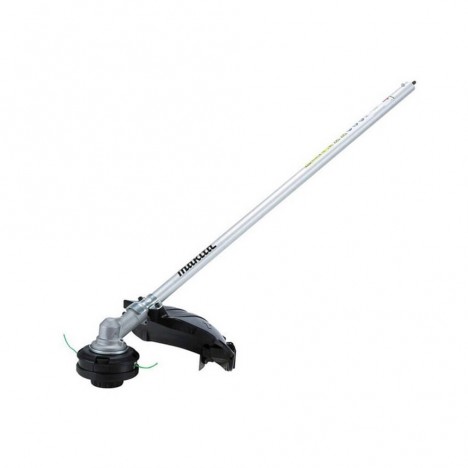


How to use and maintain your lawn mower / brush cutter for optimal performance and long life
This article will discuss operating techniques Lawn mower Regarding instructions and storage methods: lawn mowers / brush cutters are known for cutting grass or weeds and can also have cutting heads swapped for more tasks. Mowers can be manual, electric, or gas-powered, and come in various sizes and designs depending on the intended use. Generally, manual mowers are handheld and require considerable effort to operate, making them suitable for small lawns or limited spaces.
On the other hand, electric lawn mowers use electrical power and are suitable for larger lawns, available in both corded and cordless models, with cordless models powered by rechargeable batteries. Gas-powered lawn mowers are the most powerful and ideal for large lawns or commercial use. They are typically equipped with an internal combustion engine that powers the cutting blades. Gas mowers are the loudest and require regular maintenance, but they are the most effective and efficient at quickly clearing thick, dense grass and unwanted weeds.
What to do before using a lawn mower / brush cutter
- Prepare the machine in a well-ventilated area free of obstructions.
- Stay at least 10 feet away from obstacles and flammable materials such as fuel.
- Press the primer bulb at least 5 times, if the machine is equipped with one.
- The choke should be used when the engine is cold.
- Make sure you operate in a safe location.
- Be careful that the blade or cutting line does not hit obstacles or get too close to the ground.
Basic Techniques for Using a Brush Cutter / Grass Trimmer

1. Since the cutting blade rotates in a counterclockwise direction, it is recommended to cut from right to left for maximum cutting efficiency and to prevent debris from flying outward too much. Cutting from right to left also helps make the cut smoother and prevents power loss from resistance encountered while cutting through dense growth.

2. When trimming long, overgrown, or thick grass that is difficult to cut, it is recommended to make 2 passes: start by cutting from right to left and returning, then cut at a lower level so that grass clippings do not wrap around the blade during cutting, which helps you work faster and leaves a much cleaner finish.

3. Mowing on large, flat areas can be divided into a square pattern, starting from the outside and gradually working your way toward the center. This makes it easier to keep cutting lines uniform, reduces repetitive passes, and saves time.

4. Cutting on hillsides or sloped terrain: The strip method is used when working on slopes by cutting parallel to the slope gradient and bringing the blade back across, then cutting a strip uphill and repeating the process. However, extreme caution should be taken when cutting on slopes, as hitting dirt or rocks along the slope with the blade can be hazardous to the operator.

5. Trimming around obstacles Grass trimmers A deliberate approach is the best way to navigate around trees or bushes without damaging them. If multiple trees grow close together, try clearing around them before mowing. To do so, use the deflector guard on the trimmer as a guide. Place the deflector against the base of the tree or bush and use it to guide you as you move, protecting the trunk while trimming the grass around it.
Proper Usage Guidelines for Brush Cutters / Grass Trimmers
Shoulder Harness - When wearing the harness, the snap hook should rest approximately one hand's width below your right hip.
SUSPENSION EYELET - Suspend the machine from the eyelet using the spring hook.
Proper Balance - Adjust the handle and slide the carrying ring along the shaft until the trimmer is balanced. The cutting attachment should rest just above the ground. The correct cutting angle is achieved automatically once the machine is properly balanced.
Trimmer Position - The correct position when holding the trimmer is with slightly bent arms and straight wrists. Please refer to your product manual for specific instructions regarding the use of circular saw blades.
Shoulder Strap - First, put on the shoulder strap and attach the hook to the carrying loop on the machine. The hook should rest approximately one hand's width below your right hip.
Operation - Always hold the trimmer/brush cutter with both hands. Your left hand should be on the loop handle and your right hand on the shaft control handle.
A brush cutter is a powerful gardening tool used to cut through dense vegetation and overgrown areas. Here are some guidelines on how to use and store a brush cutter.
Using a Brush Cutter
Before using a brush cutter, make sure you wear appropriate protective gear such as gloves, eye and ear protection, and sturdy footwear. Read the manufacturer's instructions and ensure you are familiar with the controls and safety features of the brush cutter. Check the oil and fuel levels before starting the machine. Start the brush cutter according to the manufacturer's instructions. Hold the brush cutter firmly and keep it at a comfortable distance from your body. Use a sweeping motion to cut through vegetation, keeping the blade parallel to the ground. Avoid cutting near hard objects such as rocks or tree trunks, as this can damage the blade. Take breaks as needed and be mindful of your surroundings to prevent tripping or falling. Storing a Brush Cutter
After using the brush cutter, turn off the engine and allow it to cool down before storing. Clean the blade and other parts of the brush cutter to remove any debris or plant matter. Check fuel and oil levels and refill as necessary. Store the brush cutter in a dry and safe place, away from children and pets. If storing for an extended period, drain the fuel and oil, and clean the air filter. Regularly inspect the brush cutter for signs of wear and tear, and replace any damaged or worn parts before using it again.
Proper storage of a brush cutter is essential
Safety: Storing the brush cutter safely helps prevent accidents, especially if you have children or pets at home. Storing it in a secure, locked place ensures that no one accidentally starts the machine or comes into contact with the sharp or rotating blade, avoiding potential injury from accidental cuts.
Maintenance: Proper storage also helps maintain the lifespan and performance of the brush cutter. Storing it in a dry, safe place prevents rust and corrosion and stabilizes fuel and oil levels. This can help prevent mechanical issues the next time you use it. Convenience: Proper storage makes it easier to find the brush cutter when you need it next. Keeping it in a designated, easily accessible spot saves time and effort searching for it when you need to use it again.
Conclusion
Overall, proper storage of a brush cutter is essential for safety, maintenance, and convenience. Storing the brush cutter properly is important for safety, maintenance, and convenience. Storing it in a secure, locked place ensures that no one accidentally starts the machine or comes into contact with the sharp blade. Storing it in a dry, safe place helps prevent rust and corrosion and keeps fuel and oil levels stable. This can help prevent mechanical issues the next time you use the brush cutter. Storing it in a designated, easily accessible spot saves time and effort searching for it when you need to use it again.
Related Articles