


 EN
 ไทย


Customers Also Purchased

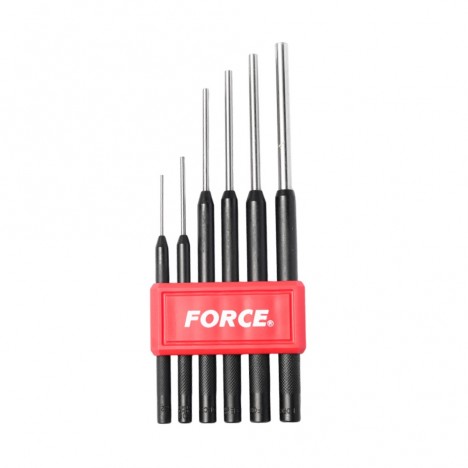

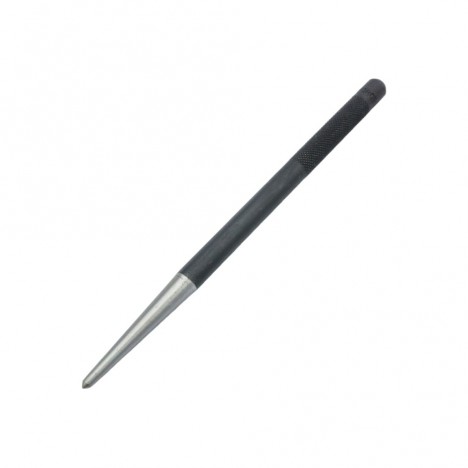
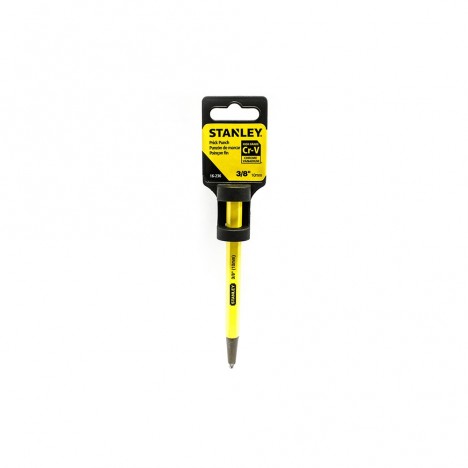
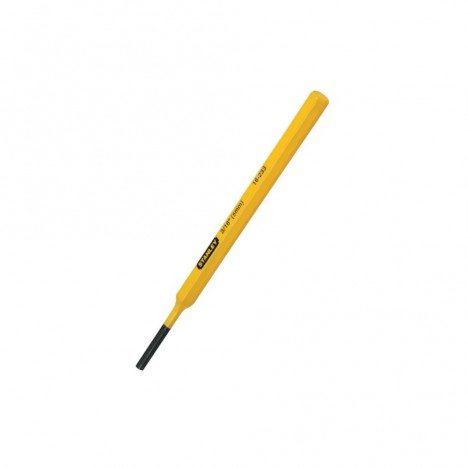
Are you familiar with Center Punches ? To clear up any confusion regarding its related components, the center punch is widely used in woodworking, often alongside other tools such as hammers and chisels to cut and shape wooden blocks. In this article, you will learn more about center punches and their related applications.
What Is a Center Punch?
A center punch is a hand tool used to make a small indentation in a workpiece to serve as a guide for a drill bit. This allows the drill bit to start boring a hole at the exact location without wandering. It is a small, narrow metal rod with a pointed tip. The opposite end of the center punch has a larger, blunt striking head.

What is a center punch used for?
A center punch is used to create a small dimple exactly where you want to drill a hole, allowing the drill bit to catch the material without slipping or wandering. You get a clean and accurate hole location, ensuring precise work. While center punching adds an extra step to the drilling process, it guarantees safer and cleaner results.
A drill bit could snap, causing injury and damaging both the workpiece and equipment. Using a center punch significantly reduces this risk.

Types of Center Punches
Center Punches
Center punching typically requires the use of a hammer alongside the punch. The force that creates the hole or dimple comes from striking the center punch with a hammer. Center punches are usually made of mild steel or tool steel, then hardened and tempered at the tip while keeping the striking head softer to withstand repeated hammer blows.
Automatic center punch
A spring-loaded automatic center punch eliminates the need for a hammer. The automatic center punch features an internal spring-driven striking mechanism. You place the pointed tip where you want to punch and push down on the body of the tool with the palm of your hand. After reaching a certain point, the internal spring releases, driving the hardened pin into the workpiece. The force with which this pin strikes the workpiece creates the indentation.
How to use a center punch
Before using a center punch, some preparation is required. Measure and mark the exact hole location. The best method is to make a clear 'X' mark, with the hole center located right where the two lines intersect.
Place the tip of the center punch directly on the center of the 'X' mark, holding the body perpendicular to the material. Positioning a center punch can be tricky because you cannot always see the tip clearly, especially from directly above. To ensure accurate placement, position the tip along one of the lines of the 'X' at a slight angle, then slide it into the intersection. Once the tip is seated, bring the body of the center punch perpendicular to the workpiece.
Once the tip is positioned, it is crucial to ensure the punch shaft is strictly perpendicular to the workpiece. If tilted, it may slip and create a scratch or line instead of a point, causing the drill bit to wander and defeating the purpose of center punching.


For an automatic center punch, position it following the same steps to locate the correct point, keeping it perpendicular to the work surface. Once the tip is properly seated and the shaft is aligned perpendicularly to the workpiece, push down firmly on the shaft with your palm until you hear a click. The internal spring inside the center punch fires the pin into the workpiece, creating the indentation.
Some important factors to consider before choosing a center punch

► Center Punch Material
Typically, center punches—as the name implies—are made from hardened steel, ensuring that the point remains sharp and durable for repeated use. Look for a center punch made from high-quality, durable steel to ensure longevity.
► Center Punch Size and Shape
Center punches come in a variety of sizes and shapes, including conical, pyramidal, and cylindrical. Consider the size and shape of the center punch you need for your specific application. If you need to make small marks or holes, a smaller, sharper punch may be more suitable. If you are working with large pieces of metal or wood, a larger, sturdier center punch may be required.
► Center Punch Handle
Look for a center punch with a comfortable, ergonomic handle that is easy to hold and operate. The handle should be made from a durable material, such as plastic or rubber, to withstand repeated use.
► Center Punch Spring-Loaded Mechanism
Some center punch models feature a spring-loaded mechanism that allows the center punch to be pressed into the workpiece without the need for a hammer. This can be a convenient feature, especially if you need to mark or punch multiple points in a short period of time.
► Center Punch Brand and Price
Finally, consider the brand and price of the center punch you are evaluating. Look for reputable brands known for producing high-quality, durable tools. While you don't need to spend a fortune to get a good center punch, beware of overly cheap options, as they may be lower in quality and may not last long. I recommend ► RENNSTEIG

