


 EN
 ไทย


Customers Also Purchased
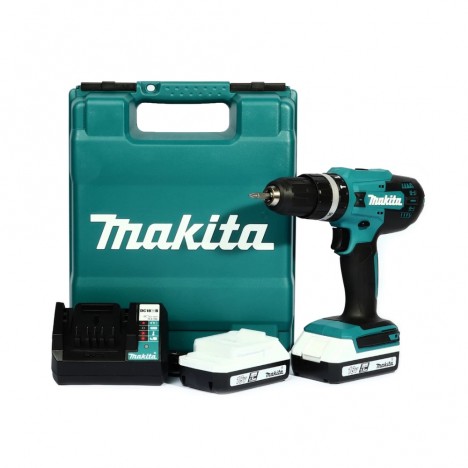
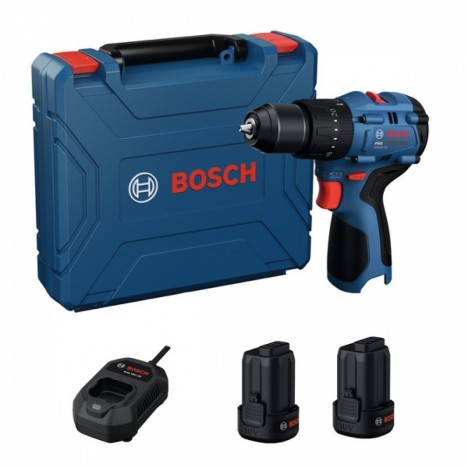


If you are still not sure where to start regarding usage —> Cordless drill <— properly and have safety concerns: cordless drills are used to drill holes in metal, plastic, and wood, and are used in hard-to-reach situations such as at heights, on ladders, or on roofs. Another advantage is that cordless drills are better balanced and can easily be operated with one hand. Cordless drills are available from many different brands, but not everyone uses them properly. In this article, I will discuss how to extend the life of your cordless drill and improve its performance. If you're ready, let's dive in.
If you want to use a cordless drill like a pro, here are some tips to follow:
1. Familiarize yourself with the drill: Read the user manual thoroughly and get acquainted with the drill's features, controls, and safety precautions.
2. Choose the right drill bit: Select the appropriate bit for the job. Match the size and type of the drill bit to the material you are drilling. For example, use a masonry bit for drilling concrete and a spade bit for drilling large holes in wood.
3. Adjust the clutch: Set the drill clutch to the right level for the job. The clutch controls torque, and setting it too high can strip screws or damage the material you are drilling.
4. Use the correct speed: Match the drill speed to the bit size and the material you are drilling. Use slower speeds for larger bits and harder materials, and faster speeds for smaller bits and softer materials.
5. Maintain a firm grip: Hold the drill securely with both hands and maintain a firm grip. Keep your body in a stable position to avoid losing control of the drill.
6. Apply gentle pressure: Apply gentle pressure on the drill bit to prevent slipping or jumping. Let the drill do the work and avoid forcing it.
7. Keep the drill level: Keep the drill level and perpendicular to the surface you are drilling. This will help prevent the bit from breaking or binding.
8. Use appropriate accessories: Use accessories such as drill guides, clamps, and depth stops to help you achieve precise results.
9. Wear safety equipment: Always wear eye protection and a dust mask when drilling to protect yourself from debris and dust.
By following these tips, you will be able to use a cordless drill like a pro and achieve professional-looking results.
How to Insert a Drill Bit into the Chuck
The part where the drill bit is inserted is called the chuck, which has jaws that extend toward each other to clamp the bit. Turn the chuck sleeve clockwise to open and counter-clockwise to close. For example, most chucks are 3/8 inch or 1/2 inch, which refers to the maximum shank diameter they can accept. You might have a 1-inch drill bit with a 1/4-inch hex shank; because the shank is smaller than the chuck capacity, it fits even if the tip is larger than the chuck size. To insert a drill bit, slide the bit into the chuck, keep it centered, and turn the sleeve counter-clockwise until it locks in place. Most modern drills have a ratcheting mechanism where you can feel, and sometimes hear, the ratchet clicking as the jaws tighten.


How to Select the Gear Mode
Cordless drills have multiple speeds. The key thing to remember about a cordless drill is speed versus torque (rotational force). When the motor is in a higher gear, it delivers less torque. When in a lower gear, it delivers more torque. Confused? Roughly speaking, it's just like driving up a hill: you need a low gear to climb; using a high gear wouldn't provide enough power to push the car up.
Therefore, use high gear for lighter drilling and driving tasks, and use low gear for heavy-duty jobs. It's fine to try high gear first; if the load is too high, the motor will stall. When that happens, simply switch to low gear to finish the job. Some cordless drills are single-speed models without selectable gears.


How to Use the Torque Adjuster
The torque settings near the front collar of the drill have numbers you can rotate to adjust; these numbers indicate the torque level at which the clutch disengages the drive. Most cordless drills have a variable speed trigger, meaning the harder you pull, the faster it spins. In a cordless drill, the motor rotates the chuck that holds the drill bit. Between the motor and the chuck is a mechanism that engages and disengages rotation called a clutch. When the drill bit or screw can no longer turn or drive further, the clutch instantly decouples the motor from the drill spindle, even while the motor continues to spin. Thus, by adjusting the torque collar, you can set the exact torque threshold at which the clutch slips.

How to Switch Between Forward and Reverse
The cordless drill body features a switch that you can press to toggle between forward and reverse. Forward is for driving fasteners and drilling. Reverse is for backing screws out or freeing a stuck drill bit. The center position locks the trigger, stopping the drill from running if the trigger is depressed and preventing accidental starts. Once you are finished using your cordless drill, don't forget to remove the battery from the tool.


Using a Cordless Drill to Make Holes
When drilling holes, make sure you are in drill mode. The exception is masonry drilling with a hammer drill; in that case, you want to be in hammer drill mode. Start by marking the spot where you want to drill the hole and selecting the correct drill bit for the job. Place the tip of your drill bit on your mark and gently pull the cordless drill's trigger for a controlled start. Once the bit begins to bite, apply steady pressure until you reach your desired depth.


Hold the cordless drill with your dominant hand and place the other hand on top to steady the tool and give you greater control. Be careful not to block the ventilation slots, which keep the motor cool while the tool is operating. Use the side handle (if equipped) when using large drill bits that are prone to binding and kickback, helping you prevent injuries to your wrists and elbows.

How to Use a Cordless Drill Safely
You now know the basics of using a cordless drill, and it's time to drill some holes! Here are a few tips to help you operate it more easily and safely.
► Always wear safety goggles before operation. Avoid loose and overly baggy clothing, which can get tangled in the drill while operating, and
► Always inspect what you plan to drill into. For example, you need to know what is behind a wall before you start drilling.
► Choose the right drill bit for the job. Using the wrong bit, even slightly, can cause distortion or crack the material you are drilling. Therefore, you must select the appropriate drill bit type for the task.
► Avoid letting the drill bit overheat. If you have to drill through hard materials or drill at high speeds, the bit will endure friction that can generate high heat quickly.
► If the exterior of the tool or the battery gets hot, let the cordless drill rest for a moment to prevent burning out the motor or damaging the battery cells.
Choose