


 EN
 ไทย


Customers Also Purchased
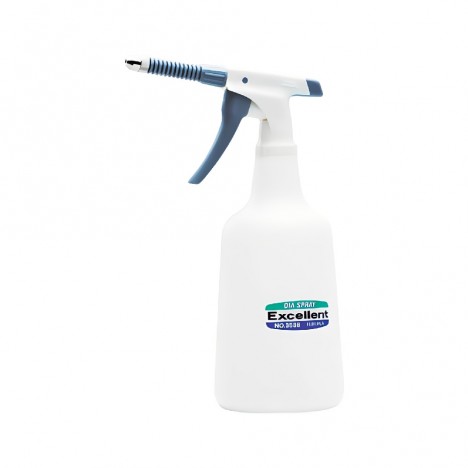
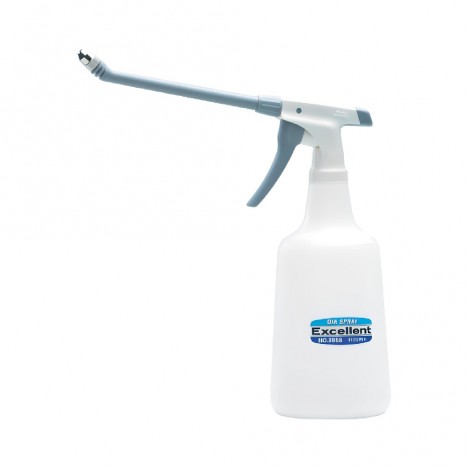
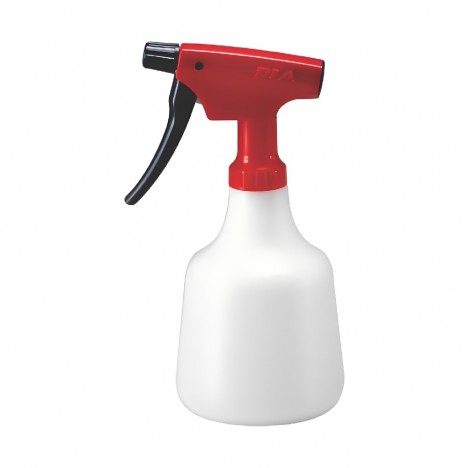
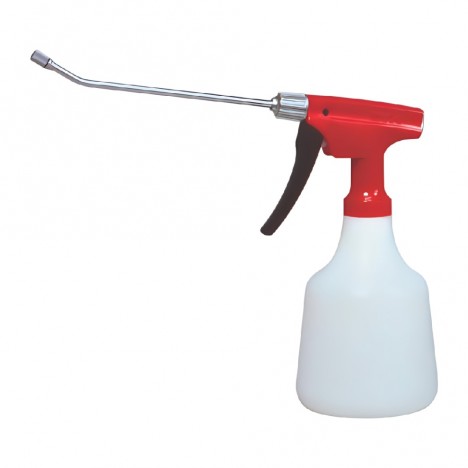
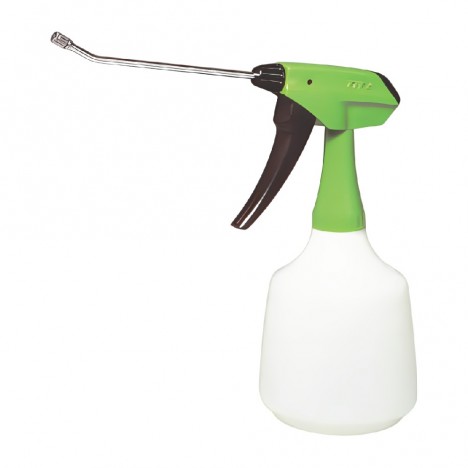
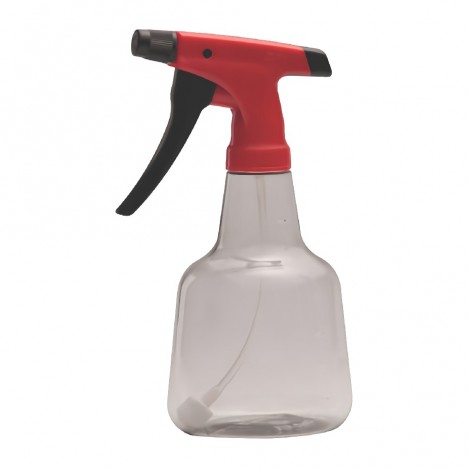
Finding the best chemical and fertilizer sprayers for your garden can be quite daunting. Many people overlook important details until they encounter operational issues. In this article, I will guide you through everything essential about chemical and fertilizer sprayers so you can make an effective choice.
Types of Chemical and Fertilizer Sprayers
Before you begin choosing chemical and > Mist Blower fertilizer sprayers, you should familiarize yourself with the types available on the market to decide which is the most suitable and convenient for you. Chemical and fertilizer sprayers come in several main types, each with its own pros and cons depending on the application.
Factors to Consider
► Motor and Electric
These chemical and fertilizer sprayers use a gasoline engine or battery as their power source to disperse the solution. They are exceptionally convenient and can easily be fitted with additional nozzles and accessories for various applications. These types of chemical and fertilizer sprayers typically hold more solution. They are also slightly more expensive than other types.
► Compression
Compression pressure is built up inside the tank of chemical and fertilizer sprayers, and the pressure difference determines the amount of solution sprayed. If a lot of air remains in the tank, the solution comes out with less effort. To achieve this compression, air usually needs to be pumped. These types of chemical and fertilizer sprayers are generally affordable and very economical, especially compared to motorized models. Such tools are recommended for quick garden jobs that require greater maneuverability.
Chemical and fertilizer sprayers are ideal for individuals with arthritis or those who need to carry large amounts of chemicals while spraying. These tools are worn on the back, secured to the body with shoulder straps. Spraying is usually operated by a lever that releases the solution from the tank or by pressing a trigger. Chemical and fertilizer sprayers come in various tank capacities, ranging from 10 liters up to 30 liters.

► Performance Enhancers / Adjuvants
> Agriculture Spray Machine Some chemical and fertilizer sprayers might disperse the solution too forcefully, causing more to be sprayed away than remains on the plants. However, this should not trouble you or influence your choice, as there are adjuvants for solutions that enhance the overall consistency of the mixture, allowing it to adhere better to plants when sprayed.
► Cleaning
I recommend choosing chemical sprayers and fertilizer spreaders that are easy to clean, especially considering the volatility of certain pesticides used to kill weeds and pests. To clean a sprayer after use, fill the tank with warm, soapy water and then spray as usual (spraying into an empty area). This will quickly and easily clean any remaining solution from the tank, eliminating the risk of mixing different solutions later on, as well as preventing damage.
► Tank capacity
This is a key factor: a larger tank means longer continuous spraying, but it also carries more weight. Unless the chemical sprayer and fertilizer spreader you choose comes with wheels, you will rarely need an oversized tank. For this reason, it is important to consider how and for what purpose you will use the chemical sprayer and fertilizer spreader most often, and choose a tank with an appropriate capacity. Tank sizes range from 10 liters up to 30 liters.

► Nozzle adjustment
Some chemical sprayers and fertilizer spreaders feature adjustable nozzles, which make certain tasks much easier. This allows you to adjust the spray intensity and angle, reaching hard-to-reach spots quickly and easily. If you want to make garden spraying easier, I recommend choosing an adjustable chemical sprayer and fertilizer spreader to maximize operational efficiency.
► Materials
Finally, chemical sprayers and fertilizer sprayers are typically made from 3 main materials: stainless steel, polyethylene plastic, or galvanized steel. Plastic is lightweight and the cheapest, but not as strong as steel. Steel sprayers are therefore very sturdy but much heavier. I think in most cases, plastic models are sufficient for general use and can last for several years under normal operation.
Read article > Basics of Using Sprayers in Agriculture < to help you better understand sprayers
