


 EN
 ไทย


Customers Also Purchased
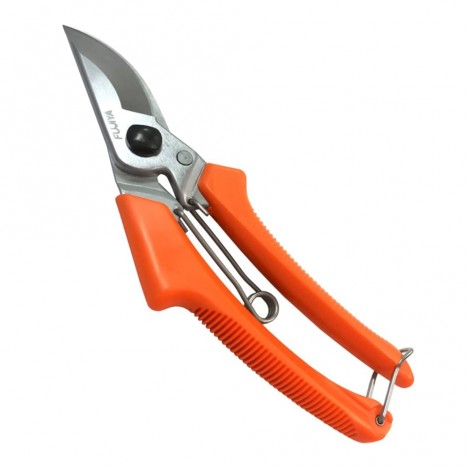

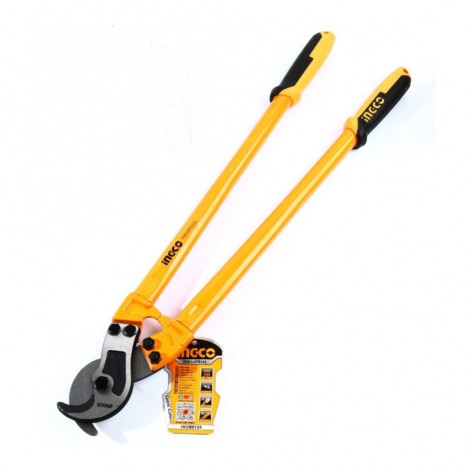
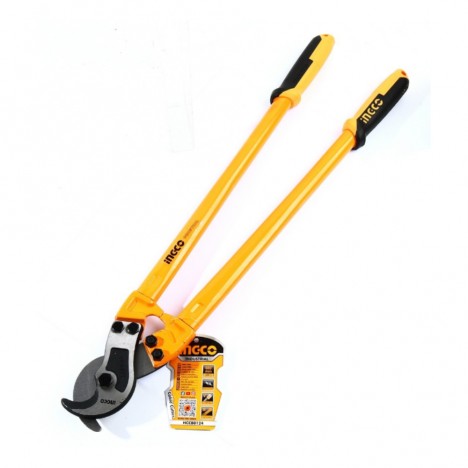


When someone mentions cutting pliers, I'm sure side cutters are the first thing that comes to mind. But did you know that cutting pliers come in many varieties? In this article, I will list as many popular cutting pliers as possible, along with their various applications, so you can get to know cutting pliers and choose the right one for your work.
Types of cutting pliers and their applications
⇔ Side cutters ⇔ Side Cutters
Side cutters are arguably the most commonly used cutting pliers. Useful for cutting electrical wires and cables, they also have many other uses including pulling staples and nails from wood, cutting cables and plastic, cutting screws flush with surfaces, removing bolts, opening cans, and various DIY applications.

⇔ Diagonal Cutting Pliers ⇔ Flush Cut Pliers
Diagonal cutting pliers are a type of small diagonal cutter designed for precision work. The jaws are available in several angles, most commonly 21 degrees and 45 degrees. You can use them to cut plastic, copper, aluminum, very soft metal wire, and small staples. Additionally, diagonal cutters also come in long-reach models that provide more cutting leverage than standard models, and on some versions, the jaws feature wire-stripping notches.

⇔ End Cutting Pliers / Carpenter Pincers ⇔ End Cutting Pliers
The cutting edges of the jaws curve toward each other like a parrot's beak, which allows them to firmly grip the ends of materials and easily cut off various metal ends. End cutting pliers are suitable for gripping and tying wire, cutting wire, cutting nail heads, and more. They are popularly used in woodworking, furniture work, and rebar tying.

⇔ Bolt Cutters ⇔ Bolt Cutters
Bolt cutters are a type of heavy-duty cutting pliers for steel stock. They feature extra-hardened jaws with high cutting strength and long handles to maximize leverage. Some bolt cutter models have jaws that make cutting through hard materials feel practically like slicing through butter.
Although bolt cutters are intended for cutting bolts and steel rods, some people also use them to cut padlocks. Heavy-duty bolt cutters with handles at least 24 inches long can cut through padlock shackles in an instant. Bolt cutters are also commonly found on construction sites for cutting narrow rebar ties; they cut faster than a hacksaw, though they do require some hand strength.

⇔ Wire Rope Cutters ⇔ Wire Rope Cutters
Wire rope cutters are a specialized type of cutter for wire rope. They feature short, overlapping blades sharp enough to cut cables without fraying or crushing the cable ends. The best wire rope cutters have hardened blades for cutting both aluminum and steel wire ropes.
For example, if you run a bicycle repair shop, you'll need these wire rope cutters to trim stainless steel bicycle brake cables and derailleur cables on pedal bikes. If you operate a small engine repair business, these wire rope cutters are also ideal for cutting lawnmower brake cables and various drive cables.

⇔ Ratcheting Cable Cutters ⇔ Ratcheting Cable Cutters
Ratcheting cable cutters are a type of cable cutter equipped with a ratchet mechanism. Instead of cutting through a cable in a single stroke, ratcheting cable cutters use a ratchet gear that cuts incrementally as you squeeze and release the handles. The cutting head features a flexible curved jaw that pivots at one end, with gear teeth on the outside. As you cycle the handle, the cutting jaw advances toward the stock one click at a time to complete the cut. Therefore, ratcheting cable cutters are the ultimate cable cutting tool that women and seniors can also use effortlessly.

⇔ Tin Snips ⇔ Tin Snips
These are a type of cutter for sheet materials. You can use them to cut soft sheet metals such as aluminum and copper, as well as other sheet material products. They look and function like scissors, but their jaws are designed specifically to cut sheet metal. The blades are sharp and made from high-quality hardened steel, delivering clean, smooth cuts without marring the workpiece, and doing so quickly. However, you can also use them to cut plastic sheet materials, such as tough clamshell packaging.

As you can see, there are ⇔ Cutting Pliers ⇔ many different types available for your use. So don't limit yourself to just side-cutting pliers. With such a wide variety to choose from, you just need to know which cutting pliers work best for your cutting needs, and you will make your life much easier.