EN
 ไทย


Nowadays, having Hand tools the right tools on hand for yourself or for quick fixes around the house is essential. You might already have some basics like a hammer and screwdrivers, but if you feel your tool collection is lacking and you have tasks that need doing, it might be time to invest in a home toolkit. Finding the right toolkit depends on your needs, and in this article, we will introduce 10 types of hand tools you must have at home—let's take a look at what they are.
Screwdrivers It is a hand tool designed for tightening or loosening slotted screws and threaded fasteners. In application, you grip the handle and turn the screw head into the hole to fasten parts together. A screwdriver consists of a handle, a shank or shaft, and the tip. Screwdrivers can be divided into 2 main types, each used differently with fasteners to prevent damaging the screw head from using the wrong type, as well as for ease of use. Phillips and slotted (flathead) screwdrivers are the most popular types in use.
If you are used to working with cheap screwdrivers, the value of a high-quality set is well known. These screwdrivers are built better, perform better, and last longer. Although they are more expensive, they can save you money in the long run when you consider the cost of replacements or potential damage. However, choosing the right screwdriver requires a bit of knowledge on your part. There are many factors and purposes to consider before making a choice.
Naturally, you want fine materials, a durable tip, and an ergonomic design. Other features, such as magnetic tips or strike caps, may be unnecessary or undesirable depending on your use case. With that said, we have compiled the various factors you should know all around about screwdrivers, giving you the confidence to choose the best screwdriver for you.

Screwdriver Handles
The handle is the part of the screwdriver that you hold and where the shank is attached. It is typically constructed from wood, a polymer known as acetate, or even metal. There are many handle design considerations to keep in mind when choosing a screwdriver. A particular feature may be desirable depending on your use case or even personal preference.
Many professionals prefer hard acetate handles because they are easy to keep clean, chemically resistant, and allow for quick action. They are generally more durable and won't degrade like some rubber handles. However, if your hands are wet or oily, they can be quite slippery. Others may prefer ergonomic handles with textured coatings or rubber. They feel natural and reduce fatigue, which is great if you use the tool all day, while also offering better grip and torque in wet or oily conditions—though, as mentioned earlier, rubber can degrade in certain environments. Another option is wood, which is an appealing choice: wood looks great, and as the clear coat wears, it develops a fine texture that provides a solid grip.
Screwdriver handle
The shank is the metal piece attached to the handle with the blade and tip at the other end. Almost all screwdriver shanks are made from carbon steel, although stainless steel is also popular. Shanks come in various shapes, but are usually round, square, or hex, and the shape can play a role in different screwdriver applications. For example, a round shank screwdriver turns more easily when you wrap your hand around it for stability. These are commonly found on general-purpose and light-duty screwdrivers. On the other hand, square and hex shanks tend to be sturdier and are more common on heavy-duty screwdrivers. The shape also provides an excellent surface for attaching a wrench or slip-joint pliers. Overall, it's not a huge factor, but it's something to keep in mind when exploring your own use cases.
Screwdriver Tip
The screwdriver tip is the most critical part of the screwdriver, but it is also the most vulnerable. It should be precise enough to turn screws efficiently, yet durable enough to resist twisting, rounding off, and snapping. High-end tool manufacturers use the best materials and manufacturing processes, so their quality is far superior, and you are much more likely to get an exceptional tool when buying from a reputable brand.
Beyond material quality, there are other features to keep in mind. Many brands offer proprietary designs, which typically provide better screw retention, extended lifespan, cam-out prevention, or a combination of all three. Magnetic tips and serrated tips are great solutions, though they might not be ideal depending on the situation. For instance, a magnetic tip will attract metal shavings that can clog screw heads and pose hazards if you are doing electrical work.
Other tips are bead-blasted or laser-etched to add a bit of bite and prevent cam-out. Personally, I prefer etched and magnetic tips—they make life easier because they hold the screw in place so you won't drop screws as often. I can always switch to something else if the situation calls for it.
Screwdriver Materials
Carbon steel - It is an alloy with carbon content, which increases strength and corrosion resistance. Carbon steel is exceptionally strong and has a long service life, making it an ideal material for screwdriver manufacturing. The carbon content ultimately determines how durable or corrosion-resistant the steel alloy will be. Additionally, the heat treatment process significantly impacts the hardness and stability of the metal. As the carbon content in the steel alloy increases, it becomes harder and stronger, but less ductile and harder to machine. This is why I always recommend choosing tools made by reputable manufacturers. Some brands may use inferior materials and manufacturing processes that sacrifice strength for ease of machining and lower costs.
Chromoly vanadium, or CMV, is a carbon steel alloy with an added element called vanadium. Vanadium increases strength and corrosion resistance when added to various alloys, making it the choice for many high-end screwdriver manufacturers and our favorite material. The enhanced strength provides peace of mind, and the price is generally very reasonable compared to other carbon steel alloys.
The biggest drawback of carbon steel is rusting. It requires a durable surface finish to prevent oxidation and chemical damage, and even then, it can still be an issue. Therefore, regular cleaning and maintenance of your tools is essential.
Stainless steel - Stainless steel is an iron alloy with a high amount of chromium, an exceptionally hard material that prevents corrosion and rust. Stainless steel offers two major advantages that make it a very good material for screwdriver construction. First, stainless steel becomes harder when tempered at the right temperature and is far more resistant to corrosion and chemicals than carbon steel, eliminating the need for surface coatings.
However, because it is a hard material, it is more difficult to machine and can become brittle under certain conditions. It is also more expensive, which may help explain why it is not as popular as carbon steel. From our perspective, this material is good but not necessarily always better than high-quality carbon steel alternatives. Therefore, it is important to weigh the pros and cons before making a purchase decision.
Polymer - It is simply a compound made up of many smaller molecules called monomers, which are linked together to form long chains and other complex structures. Polymers can be produced from naturally occurring or synthetic monomers, and the properties of the final product depend on the specific molecules used. For screwdriver handle construction, acetate is the most commonly used polymer and is an ideal material in many ways because it is durable and economical to produce, as well as resistant to impact, abrasion, and chemicals. Obviously, if you work in harsh or corrosive environments, these are desirable characteristics.
Acetate is not without its flaws, however. Its non-porous surface allows for quick movement, but it becomes very slippery when hands are wet or greasy. For this reason, many people prefer rubberized handles because they provide more torque and better grip in slippery conditions. Other manufacturers choose polymers like Santoprene, which offer similar durability but feature more texture than acetate.
Wood - Long before polymers were widely available, wood was the material of choice for making screwdriver handles. Although less popular today, many manufacturers still offer traditional wood-handled tools, and for some, they offer real benefits. Wood has a beautiful texture and provides a firm, secure grip when your hands are wet or greasy. It is aesthetically pleasing, easy to maintain, and naturally molds to your hand. Over time, it becomes a tool unique to each user.
However, there are also some drawbacks. First, they require more care. Without proper maintenance, wooden screwdrivers can easily crack, dry out, or splinter. Because it is not very chemical-resistant, you really need to clean your screwdriver after each use. Wooden screwdrivers are also easily damaged and must be handled with care. Since wood is delicate, drops or heavy impacts will take a toll over time—an important consideration for any professional.
Precautions When Using Screwdrivers
- Choose the right screwdriver tip size to fit the screw slot.
- The screwdriver must be clean; wipe it down after use to prevent it from slipping in your hand.
- Do not use screwdrivers improperly, such as for carving or puncturing materials.
- Regularly maintain and check the condition of the screwdriver tip to ensure it is not chipped or damaged.

Hammers A tool used for driving or striking other objects, such as hammering nails to align components or demolishing materials. However, hammers are designed for specific applications, coming in a variety of shapes and structures, but all share the same basic construction: a handle and a hammer head. The hammer head has significant mass. The striking force of the hammer delivered to the target depends on the mass of the hammer and the acceleration of the swing; therefore, the heavier the hammer and the faster the acceleration of the strike, the greater the resulting force.
There are many types of hammers, but the one you should have at home is a claw hammer, which can easily drive, strike, and pull nails from materials like wood or metal. It is recommended to choose a hammer weighing around 16 ounces. Just this one hammer is all you need.
Things to Consider When Choosing a Hammer
The best hammers are safe, do not cause excessive fatigue, and help with a variety of DIY tasks. To choose the right hammer for the job, look at the face, length, and weight. Although professional-grade hammers may be more durable, heavier, or longer than standard ones, most household jobs require a simpler hammer. It helps to choose one that is comfortable to hold and does not cause excessive fatigue.
Hammer Handle - A hammer should feel comfortable in the hand, provide enough grip to prevent slipping from the user's hand, absorb shock to protect the wrist, and not break from the impact of striking. While both steel and fiberglass handles are durable enough to absorb driving forces, the materials do differ. A good grip allows for better control of the hammer, especially if the user's hands are sweaty. Better control helps reduce the chance of smashing your thumbnail instead of the actual nail. Steel and fiberglass hammers both feature some type of grip. Wooden handle hammers often do not have a separate grip because they naturally offer a comfortable hold.
For most hammers, the grip is made of synthetic rubber that dampens vibration while absorbing impact shock. Leather is another option, though it is more expensive. There are vintage hammers from decades ago with hard, polished leather handles that have been well-preserved by oils from tradesmen's hands, making leather just as reliable as synthetic materials.
Weight - Weight is one of the most important factors to consider when choosing a hammer. Too heavy, and there is a risk of muscle fatigue and wrist injury. Too light, and it lacks the momentum to drive nails home. For the average DIYer working around the house, a hammer weighing between 16 and 20 ounces is usually the best bet. Go toward the lower end of that range for simple household tasks, and toward the higher end if framing or tackling other large projects. Hammers weighing up to 32 ounces exist, but they are generally used for specialized tasks.
Length - The longer the hammer, the greater the swing potential, which generates more momentum for harder driving. Thus, a carpenter might use an 18-inch hammer for framing and a shorter 16-inch hammer for general work. It is best to follow suit; a general-purpose handle is about 16 inches long. While short-handled hammers might seem less intimidating, they can actually be awkward and quite dangerous. Missing a nail with a short-handled hammer puts the user's hand at risk of being struck, which could result in injury. Additionally, you will need to exert more effort to pull nails with these hammers compared to a standard hammer, risking muscle strain and slippage.

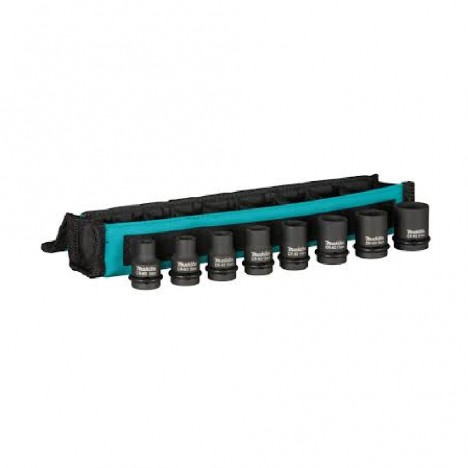
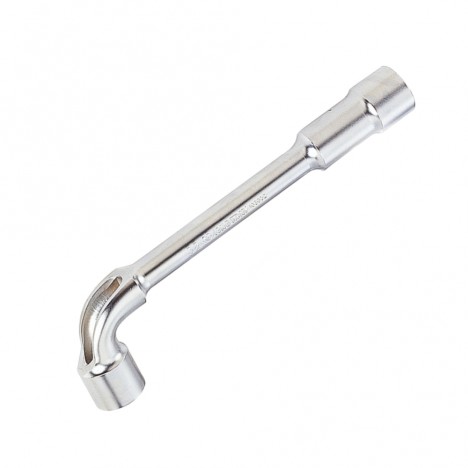
Wrench Set Many people likely use wrenches on a regular basis, right? A wrench is a common hand tool used in everyday life, often overlooked until you need to pick it up again. When working, people often just grab whatever wrench is nearby to handle the job at hand. However, there are actually many different types of wrenches, some of which are specially designed for specific tasks.
Wrenches are generally categorized as male or female. A male wrench is inserted like a screwdriver bit, while a female wrench has a socket that fits over or around the object to be turned. Both are used to loosen or tighten nuts, bolts, screws, and even caps and assembly components. This is one of the top, most popular hand tools. A wrench set is an essential tool to have at home. We recommend buying a set in a case with various sizes. It is another indispensable tool used for tightening or loosening square or hex-head fasteners without exerting too much effort. Just one adjustable wrench can tighten nuts and bolts of almost any size.
Today, there are many types of wrenches, each with its own specialized application. When choosing the best wrench, look at how it is manufactured. The best hand wrenches are made using a drop-forged carbon alloy steel process, often marked with "Cr-V", which stands for an alloy of chromium for corrosion resistance and vanadium for added strength. Additionally, many wrenches feature chrome or nickel plating for even better corrosion resistance. You can also find products with aluminum handles that reduce weight. A good wrench will be clearly and permanently labeled.
Regarding the handle, you want something that is comfortable yet sturdy. For most tools, we prefer polished steel; it is easy to clean and provides a good, comfortable grip. Dipped handles also help prevent the tool from slipping easily out of your hand and are equally easy to clean.
How to Choose the Right Wrench
The key to choosing the right wrench for a specific job is understanding what each size means. Each wrench in a set is stamped with measurements in inches or millimeters (mm). These measurements indicate the size of bolt or nut the wrench will fit. SAE or Standard: Standard or SAE (Society of Automotive Engineers) wrenches are measured in fractions of an inch. A small wrench is around 1/4 inch, while a large wrench is 1 inch or larger. Metric: Metric wrenches work with nuts and bolts that have metric measurements. A small metric wrench measures around 8 mm, while a large wrench measures around 20 mm.
Material - A wrench should be sturdy enough to last for years. Check and make sure it is made from corrosion-resistant materials. Corrosion-resistant wrenches include cast iron, chrome vanadium, or ductile iron. The best quality wrenches are typically made from chrome vanadium. Plating the wrench with chrome enhances its corrosion resistance. Additionally, look for wrenches with a mirror finish. In addition to ensuring corrosion resistance, you want to make sure the material used in manufacturing is durable. You wouldn't want to end up with a wrench set that snaps or chips when trying to tighten or loosen a stubborn bolt.
Adaptability - It is a good idea to look for wrenches that can adapt to various situations. For example, some wrench sets in this guide feature tools with flex heads. If you frequently need a wrench for tight or obstructed areas, this is ideal and will make your work much easier. You will want to buy a wrench set that covers as complete a size range as possible, as this ensures you always have the right size tool for the job. Some sets skip less commonly used sizes (such as 9 and 11 mm for metric or 19/32 for SAE), so always check the included sizes before purchasing.
Durability - Like any other tool, a wrench must be durable. The best wrench sets feature tools that can withstand heavy-duty use for long periods without damage. In the environments where they are often used, they must resist rust and corrosion. Chrome plating is typically used for protection, ensuring your wrench set will serve you for many years. Corrosion resistance is crucial, especially if you plan to use them outdoors or for tasks like plumbing where tools are frequently exposed to moisture. Chrome-polished or powder-coated wrenches work best, as they are ideal for resisting rust and corrosion while also being easier to clean.
Storage - When you buy a wrench set, especially a larger one that can have over 20 pcs, you need to consider storage. Simply tossing your tools into a pile can make it difficult and frustrating to find the size you need when in a hurry. Therefore, the best choice is to pick a wrench set that comes with dedicated storage, usually in the form of a tool case or organizer rack. It will make it easy to keep everything organized and quickly find the tool you need.

Pliers / Clamp These are hand tools designed for a wide range of applications and versatile uses, including gripping, locking, twisting, holding, bending, or cutting materials such as wires. Pliers come in various sizes and styles depending on the application, ranging from wire strippers and tin snips to bolt and pipe cutters. Some pliers feature a locking mechanism to hold selected materials or objects securely without needing readjustment, which also helps reduce the risk of hand cramping or injury for the user during long-term use.
Pliers can be made from a variety of materials, but they are typically made from steel, carbon steel, or other hardened steel alloys to ensure maximum durability. This also allows for heavy-duty use without compromising the surface coating and prevents corrosion, keeping the blades strong. Pliers come in many designs, ergonomically shaped for user comfort. These can be particularly beneficial for frequent users, as the handles support the palm and fingers, preventing strain or cramps.
What are the most common types of pliers?
- Combination Pliers are versatile hand tools suitable for a wide range of applications. The jaws feature a cutting edge on the side and can also be used to grip workpieces in a single tool.
- Long-nose pliers / Needle-nose pliers Used for gripping flat metal or wires. The jaws are slender, pointed, and compact, making them ideal for work in tight spaces and electrical tasks.
- Slip-joint pliers The jaws are curved and can be expanded or narrowed. The inner profile is concaved on both sides with serrated teeth for gripping round objects. The tip of the jaws is flat with serrations. The jaw opening can be adjusted wider or narrower using the pivot bolt, which acts as a fulcrum for general gripping tasks.
- Round-nose pliers The outer jaws are rounded, while the inner jaws are ground flat on both sides. The handles are insulated with plastic sleeves, making them suitable for bending tasks, forming loops, and delicate jobs such as electrical and electronic work.
- Cutting pliers / Pincers These are hand tools designed specifically for cutting tasks. The jaws resemble a parrot's beak, with cutting edges positioned perpendicular to the handles. The handles are insulated for user safety. Used for cutting steel and wire lines; this type of pliers cannot grip workpieces.
You use pliers for a wide variety of tasks. For this reason, choosing a good set of pliers is a cornerstone for many projects. If you want to achieve your goals, you need to choose a reliable set of pliers. In this buyer's guide, we will help you do just that.
Durability - When buying tools, keep in mind what happens if your tools rust or break after only a few uses. To avoid this problem, you should choose a pliers set that is durable and long-lasting. Consider the materials the pliers are made from; however, you should also factor in the level of craftsmanship involved in production. Pliers can be made from premium materials but suffer from poor craftsmanship, making them break easily. This is an easily overlooked factor, but it is essential to remember if you want your pliers to last a long time.
Material - Almost all pliers are made of steel; however, not all steel is created equal. Different brands have their own standards for steel alloys, leading to varying steel quality. US steel tends to be very consistent and reliable due to the country's strict regulations. For this reason, we favor US-sourced steel and American-made tools. However, this does not mean steel from other countries is always inferior; you can definitely find high quality from other countries as well.
Cutting Capacity - Although pliers are not primarily used for cutting, many people use them to cut wires and similar items. You should look for induction-hardened tools, as they can handle harder wires without bending or denting. Some pliers will state "not made for steel," which means they cannot cut steel wire. However, they can still cut materials like copper and aluminum. This may be all you need if you do not work with steel wire often. However, if you are a professional working with a lot of steel wire, you should avoid lines that are not designed to cut this type of material.
Cost - Pliers vary quite a bit; some are very expensive, while others are unbelievably cheap. The cost is often linked to the quality of the tool. If a set contains more pieces, it will likely be more expensive. It depends on tool quality, brand, and the number of tools included. Your budget depends on your own circumstances; because of this, we cannot tell you how much you should spend on a pliers set. What we can tell you is that the more you spend, the higher quality set you will get. If you are on a tight budget, you might want to consider buying a set with fewer tools rather than a cheap set with many tools. That way, the tools will still be of high quality.

Flashlight Whether in a personal workspace or a professional construction site, proper lighting is essential for getting the job done. LED work lights are considered the best choice among various types of work lights because they are versatile, energy-efficient, affordable, and brighter.
You can use it to illuminate either as a spotlight for small areas or to brighten up a large area, helping you work accurately. Before purchasing, you should know the answers to these questions: Why do you need this light? This will help you decide on the type of LED work light and the brightness needed for your workspace to choose the right lumen count. Additionally, there are 2 key factors to consider:
Types of LED lights categorized into three types based on application:
- Portable: Small, compact, easy to move, and simple to store, making it the perfect choice for construction sites, garages, and home improvement projects.
- Stand-mounted: Ideal for general lighting tasks as they are versatile lights with adjustable heights using a stand or tripod.
- Retractable: With their compact size, these lights use retractable cords, allowing you to mount them on walls or ceilings for permanent lighting options.
Brightness is used to measure light intensity; therefore, the higher the lumen count, the brighter the light. You need to check the brightness of the LED light according to the ambient light in your workplace. In addition, the number of LED chips in the lighting module affects brightness. The higher the lumens your flashlight has, the more total light it will produce. Then the lens or reflector determines the beam profile and how all lumens are utilized, which also affects brightness. Most flashlights range from 20 lumens (which is quite low and ideal for reading in the dark) to 1,000–2,000 lumens. Some flashlights achieve even higher lumens, but to achieve brighter output adequately and maintain efficiency over a reasonable duration, the flashlight becomes quite large because it requires heatsinks and batteries to support such power.
Beam distance is measured in meters or feet. This measures how far the light reaches before diminishing. Simply put, it measures how far you can see using your flashlight. In terms of beam distance, there are two types of light distribution: one that provides light in terms of distance (throw), and another that provides light in a broad area (flood), depending mainly on the type of reflector or lens your flashlight has. Generally, flashlights with a wide illuminated area tend to have a shorter beam distance but disperse the total lumens over a larger area. However, if you want light to travel a long distance, you should choose a flashlight with a longer reach rather than a wider beam. People choose this type of flashlight for long-range activities such as search and rescue, cycling, night hiking, etc.
Flashlight Power Sources
Disposable Alkaline - These are the standard batteries used in most flashlights. They come in standard sizes: AAA, AA, C, and D. They are preferred due to easy availability, longer shelf life, and higher energy density compared to other batteries. One of their advantages is higher voltage output for their small size and weight.
Disposable Lithium - These batteries are almost identical to alkaline batteries, except they have higher power output and a longer lifespan. Their shelf life is about ten years, which makes them more popular than alkaline batteries. However, the only drawback is that they are slightly more expensive than other batteries.
Rechargeable Lithium-Ion Batteries - Li-Ion batteries can be recharged hundreds of times and still deliver excellent power, similar to lithium batteries. They also come in multiple sizes, but are slightly more expensive than disposable batteries. In addition, you will need to purchase a good quality charger to prevent battery damage.
Flashlight Durability
Impact resistance - Look for flashlights made of anodized aluminum, stainless steel, or titanium. These metals are strong and durable, meaning they will not break easily when dropped, even on hard surfaces like concrete. In addition, using strong metals provides greater sturdiness, allowing it to be used as a self-defense weapon against attackers in case you don't have an actual weapon on you.
Waterproof / Dustproof - Commonly known as the flashlight's IPX rating. Water resistance in a flashlight is essential if you want your flashlight to last a long time through rain, storms, and accidental submersion in water.
- IPX4: This rating means the flashlight can withstand splashing water, such as from heavy rain and other splashes.
- IPX7: The IPX7 rating indicates that the flashlight can be submerged in about 1 meter of water for a short period, typically 30 minutes.
- IPX8: The IPX8 rating allows the flashlight to be completely submerged at water depths for at least a few hours before it starts to malfunction.

hand saws A hand saw is one of the most versatile pieces in a tool collection. Whether you are a professional or just enjoy home DIY, there is a saw style suited to your use and needs. Hand saws can cut through wood, plastic, metal, and lightweight building materials. Saws are typically made of steel. They should be stored in a dry, clean place to prevent rust on the blade or damage to the saw teeth or handle, which helps ensure the product's lifespan and optimal cutting performance.
Cutting by hand is not as easy as cutting paper with scissors. A hacksaw is another tool you should have at home for cutting the items you need. Hand saws also come in various designs and types, but the one we recommend is the handsaw (rip/crosscut saw), used to cut various materials you want to repair—whether PVC pipes, aluminum tubes, nails, nuts, screws, or wood itself.
What are hand saws used for?
Depending on size and TPI (teeth per inch) measurements, hand saws can be used in a wide variety of applications and industries, including construction, gardening, agriculture, plumbing, electrical, DIY, and woodworking. They can be used to cut softwoods, plastics, metals, and lightweight building materials such as gypsum board. Our product range includes hand saws, coping saws, hacksaws (standard, junior, and mini), panel saws, bow saws, tenon saws, hardpoint saws, and multi-purpose saws. Whatever you need, RS Components can help you find what you are looking for.
Choosing a hand saw is not that difficult, but there are some considerations you need to be aware of if you want to get good value for your money and get something you can actually use. We will show you some of the most important factors to consider if you are looking for a reliable tool for your next woodworking project.
Hand Saws by Type - First, you need to choose the right type of hand saw for the project you are trying to complete. Here are the different types of hand saws you can choose from:
- Hacksaws feature blades from 10 to 12 inches long, typically supported by a C-shaped frame that effectively tensions the blade for efficient cutting. These blades are widely used for cutting through metals and plastic materials, cutting quite smoothly thanks to their fine teeth.
- Panel saws are on the longer side, coming with blades up to 26 inches wide and ideal for 2x4s and larger sheet materials. The slightly angled handle provides enough tension to allow you to cut through large wooden boards more comfortably.
Saw Teeth - When choosing a hand saw, you need to consider teeth per inch, or TPI. It is quite simple: the fewer the teeth, the larger the gullet between each cut. Meanwhile, the more teeth there are, the more precise the cut. Large gaps between teeth allow for fast cuts through large or thick lumber; however, it will not leave a very smooth finish. On the other hand, more teeth will give you a smoother finish, but because you are drawing more teeth through the wood, it requires more effort to cut through each piece.
Choosing a saw with the right TPI may be the most crucial factor to consider when selecting the right hand saw for your project. Therefore, be sure you know whether you need a smooth cut for finishing work or a quick way to rip through timber.
Flexibility - Notice that most hand saws have a slight bend or flex. A stiffer blade makes cutting straight lines easier, but requires more effort to get through. A thinner, more flexible blade makes cutting through more straightforward, but you need a steadier hand. If you want something flexible yet easier to cut straight, you should try a pull saw. Cutting on the pull naturally straightens the blade, making it easier for you to cut in a straight line. Hacksaws support both ends of the blade and minimize flex, helping you cut in a straight line more easily.
Saw blade - Hand saw blades are usually made of durable steel that is hardened to last longer. Blade shapes vary across different types of hand saws.
Length - When measuring blade length, exclude the handle. With a longer blade, you can cut more wood in fewer strokes. It doesn't really affect your cutting accuracy, so when choosing a hand saw, it all comes down to personal preference.
Handle- The handle or grip is also essential to consider. A good handle makes cutting wood more comfortable. If you do a lot of woodworking with hand saws, you should choose one with an ergonomic handle. It will give you full control and unmatched comfort.

Water level It is invaluable for accurate level measurements across many jobs, from simple tasks like hanging shelves to checking the alignment of bricks in a new wall. This handheld tool is easy to use and provides a simple way to maintain accuracy on the job. Spirit levels contain a liquid with an air bubble inside. The markings on the vial indicate when the bubble is centered, showing the user that it is level. Digital spirit levels also feature digital readouts for extra accuracy and confidence. For best results, use the longest level that fits the surface being checked on either the horizontal or vertical plane.
A spirit level functions to check our measurements and ensure they are not tilted or skewed. Most spirit levels resemble a steel ruler containing a vial of green liquid with a small air bubble inside, which is what we use to check for tilt. By placing it flush against the surface to be measured, if the bubble is in the center, it indicates that the surface is level or plumb.
Features to Consider
- Accuracy – expressed as plus (+) or minus (-)
- Bubble size: larger bubbles offer better visibility and should always stay within the marked lines. Bubble size is related to the liquid used.
- Liquid color is tinted to make the bubble easier to see. This color may fade over time and with exposure to sunlight.
- Lines on the vial or tube – these reading lines should be clearly visible.
- Durability: vials are delicate and require care. The ends should be rubberized, sturdy, and durable. Aluminum levels are ideal for construction sites, and hand grips are also very useful.
Other useful features include a V-groove in the base that can seat against pipes, or a magnetic base. These magnetic levels allow for 'hands-free' operation, which is very convenient for steel work.
Key Features of a Spirit Level
Accuracy - Every spirit level should have an accuracy tolerance published for you to check before purchasing. It is usually stated as "+ or – 0.X mm per meter", so you can be sure you are getting the accuracy you need.
Bubble Size - The bigger the bubble, the better, as it is easier to see. The point is that the size of the bubble depends on the properties of the liquid, which expands and contracts with heat and cold, affecting the bubble's size. The bubble should always remain within the reading lines. Selling points usually relate to liquid expansion stability and operating temperature guarantees. The more precise these are, the more expensive the level will be.
Bubble Color - Most spirit levels today use colored liquid to make the bubble easier to see. The color will fade from the liquid over time and in sunlight, but how long it lasts is a mark of quality. Of course, you cannot tell this in advance, except through the warranty and perhaps the price!
Reading Lines - These are lines etched or painted on the tube or vial. They must be clear and easy to see without interfering with the movement of the bubble.
Protection - Vials or tubes are very delicate and need protection, as levels get dropped and live a rough life, especially on construction sites. The ends should be made of tough rubber or similar material to absorb shocks, combined with a sturdy yet lightweight frame. Look for shockproof vials and end caps when buying a spirit level.
Applications & Usage - Depending on where you will use your level, manufacturers provide durable aluminum levels. However, if working with more delicate materials such as kitchen countertops, you might consider a softer plastic body. For precision, some aluminum levels feature one or more milled surfaces, which are precision-machined to ensure a completely flat, horizontal surface.
Gripping - You need to be able to hold the spirit level steady to get an accurate reading, so hand grips are very useful, especially on longer levels.

Electric drills Another essential tool. A drill is one of the most vital tools for D.I.Y. projects with a wide range of applications. Main tasks include drilling holes and driving screws in and out of surfaces. This versatility means it can be used for both large and small jobs, including hanging curtains, mounting shelves or picture frames, assembling furniture, or installing decking.
Before using a power drill, it is best to wear safety glasses and, in some cases, ear protection. These precautions will protect you from flying debris. To drill a hole with a drill bit, insert your chosen bit into the chuck and tighten it securely. To drill through timber, such as when building a deck, use a hammer drill in second gear. If you need to drill into masonry or concrete surfaces, use the hammer function following the same steps. Once finished, reverse the direction to loosen the bit: rotate the chuck the other way and the jaws will release. To drive screws into pre-drilled holes, switch to a screwdriver bit, align the tip into position, and proceed. If using an impact driver, insert the bit into the chuck until it locks. To release the bit, pull back the collar and the bit will pop out.
Maneuverability - Corded drills are limited by the length of the extension cord and the power source. If you are working at a workbench, this is not a major issue, but when a project requires off-site work, your mobility will be restricted by the cord. Also, be careful: extension cords are well known for causing tripping hazards!
Power - Because corded electric drills are connected to a continuous power source, they can deliver high torque. Furthermore, their performance is more consistent since you do not have to worry about lower torque due to a depleted battery. Electric drills are also more reliable than cordless drills because they are not constrained by battery voltage; the voltage remains constant throughout the job, no matter how long you work. If you are working with hard materials such as metal or glass, the constant high power and greater torque make an electric drill the most ideal choice.
Weight - If you are just drilling a quick hole, the weight of your electric drill might not matter much. But if you work continuously for hours, something you should consider is that corded electric drills generally weigh less than cordless models.
Ergonomic design - Handling and balance of an electric drill might not be a major factor if you only use it for a few minutes every once in a while. But if you are working on a project that requires hours of drilling, you will definitely need to consider it. Ergonomic handle design plays a huge role here, and larger electric drills often feature a secondary handle to help balance the drill and improve ease of use. Whichever drill you decide to buy, it should be comfortable to hold, have an appropriate weight, and not be so bulky that you cannot work with ease.
Storage - Corded electric drills are not as easy to store as cordless drills. Most electric drills do not come with a storage case. You may need to get a storage bin or build a wide shelf to keep your drill safe when not in use. In addition, extra care should be taken to protect the power cord from damage.
service life - Whether you use an electric drill twice a year or every day, it will operate with the same power and performance as the last time you used it, with just a little bit of care.
Price - Even if you spend a lot of money on an electric drill, as a general rule you get "more drill for your money". It is also important to note that at some point you may need to replace the power cord, but that is almost always cheaper than buying a new battery!

Tape Measures A flexible tool used for measuring length and distance, essential for many industries and applications—from woodworking and DIY to masonry. There is no doubt that the tape measure is an exceptionally popular tool. Available in various styles and sizes to suit every need and profession, despite diverse shapes and functions, most tape measures share a basic construction: a strip of plastic, steel, or fiberglass marked with measurement graduations. Typically, the markings are black and red on a yellow background, as this is the best color combination for easy readability.
Types of Tape Measures
The different applications and environments where a tape measure is needed will determine the best choice among the various tools available on the market. There are many types and designs suited for different tasks, from surveying and carpentry to DIY. When choosing the right tape measure, you need to consider factors such as available types, budget, the environment in which the tape may be used, and the level of accuracy required for your work.
Pocket tape measures are suitable for general use. In this type of tape measure, the blade is typically housed in a rigid protective casing and usually includes a hook, a locking mechanism to hold the blade or tape body in place without retracting, and a belt clip for convenience. Tape measures can be as small as a keychain, which is useful when you want to carry one at all times without the hassle of lugging around a standard-sized tool.
Basic Features
Tape Blade - It should remain straight and rigid when extended. Cheap blades bend easily. Quality blades are made of steel or fiberglass; nylon-coated metal blades are highly durable and versatile.
Hook - The metal at the end of the blade helps provide accurate readings, but often the end hook is the weakest point of a tape measure. When purchasing, make sure it is sufficiently sturdy.
Belt Clip or Holster - Tape measures are often fitted with a steel or nylon belt clip that attaches to a tool belt or pocket. Some people may dislike this clip because it can be bothersome, adds bulk, and can make it harder to store the tape measure in a pocket.
Auto-Lock - A tape measure that locks automatically when pulled out is especially useful when working alone or in tight spaces. For example, if you are measuring the inside of a cabinet, the blade locks in place on its own for an accurate reading. Simply press the button and the blade will shorten or fully retract, depending on when you release your finger.

Knives / Utility Cutters Can be both stationery and a hand tool. It is recommended to keep them separated for specific uses for easy retrieval. In terms of hand tools, did you know that utility cutters are actually very important for technical work? They are used for cutting and scoring materials, or even for prying and opening equipment.
Used every day, whether at home or in the workplace. There are many types of safety utility cutters, and we know them by various names such as safety cutters, box cutters, utility knives, and many more. They are widely used across multiple industries, including retail and general applications. These cutters are used as cutting tools where user safety is of paramount importance; therefore, the most appropriate one should be used for the task at hand.
Which type of utility cutter should be used?
Many types of utility cutters are available depending on the blade type and length. Safety knife handles are often made of plastic, aluminum, or stainless steel, while the blades are typically carbon steel, stainless steel, or tool steel. Utility knives are knives used for multipurpose or general utility tasks, and these tools come in both folding and retractable blade styles, used across many industries and workplaces. Auto-retracting knives feature a spring-loaded slider that automatically retracts the blade when released.
A folding knife or pocket knife has one or more blades that fold into the handle to keep the user safe. Snap-off blades allow for easy and precise cutting of materials, and the blade can be refreshed whenever necessary. Hook blades are ideal for trimming materials such as roofing felt, carpets, and sheet materials. Blades should be replaced when the user feels that cutting would be easier with a sharper blade. Some safety knife models feature a quick and easy blade-change function. Disposable safety cutters are ideal when you need a safe box cutter that can be discarded after use.
Hand tools 10 categories to help you tackle virtually any repair and DIY project around your home