EN
 ไทย


It cannot be denied that Hand tools play an essential role in maintenance, installation, and assembly. All of these fundamentally require tools to get the work done. Many might assume that these tools are necessary only for professional craftsmen, but in reality, we should also learn and know how to use these hand tools. The quality of the hand tools you choose to use is important, both in the tool itself and in its application. Even a skilled craftsman will have to blame his tools if they are used for the wrong type of job. You must make sure whether you have the right hand tools for the type of work you need to do.
Currently, there are many hand tools on the market. Your challenge is finding the right hand tools for yourself and the task at hand. More importantly, having the right hand tools will make your work efficient. Each hand tool is designed for a specific purpose; therefore, choosing the right hand tool will reduce the effort needed to complete the job without causing damage to the equipment or work surface. Remember that hand tools are designed to be used according to their specific type. If you use hand tools improperly, injury to yourself may occur, and damage could also be caused to your tools and your workpiece. Therefore, choose the hand tool suitable for the job to ensure it works well and safely.

To be satisfied with your results using hand tools, you need to understand their structure, how to sharpen them properly, and how to use them correctly. Negligence or lack of knowledge often leads to mistakes and a high risk of injury. When using hand tools, precision and proper tool usage are more important than the speed of the work process. A craftsman must have the right hand tools depending on the type of work to be done. They must be able to select the appropriate hand tool for the job and know how to use it effectively. A craftsman will lose both efficiency and quality without the right tools and proper knowledge of their use.
Hand tools can be divided into several groups:
- Layout tools, measuring and marking tools
- Striking tools (hammers)
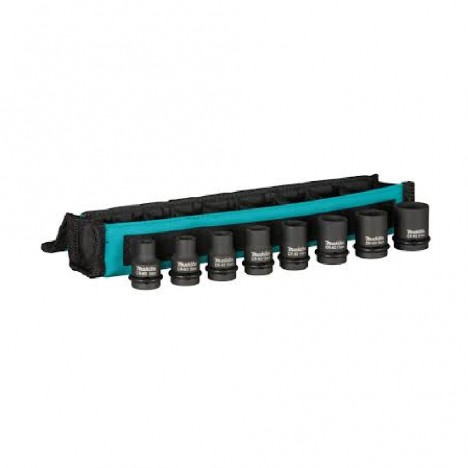
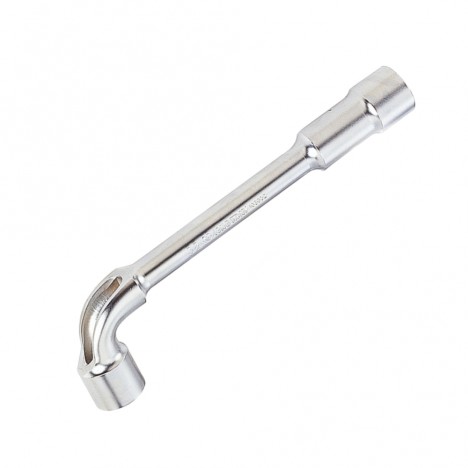
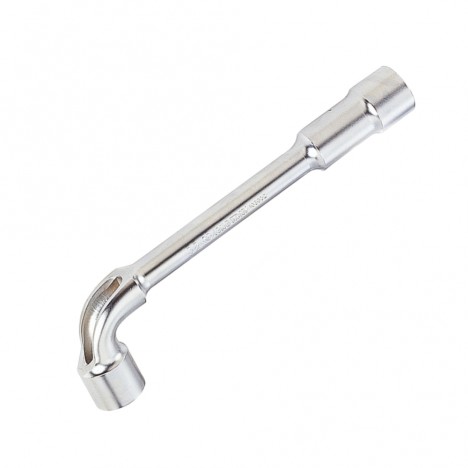
- Torsion or fastening tools (wrenches and screwdrivers)
- Wood-cutting tools (handsaws, hand planes, wood chisels)
- Metal-cutting tools (drills, files, punches, reamers, taps)
- Clamping and gripping tools (clamps, pliers, vises)
- Safety equipment (safety glasses, gloves)
- Grinding and sharpening tools
- Finishing tools and abrasives
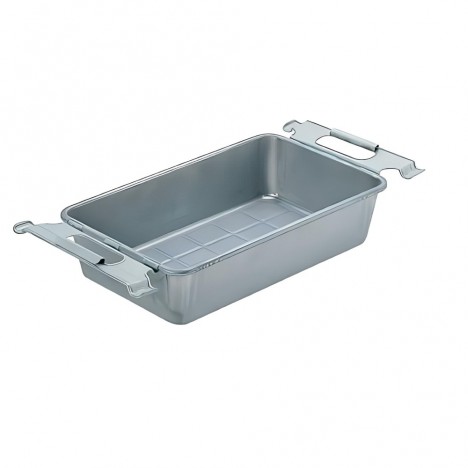
- Toolboxes and accessories

Nowadays, speed and production efficiency are very important, so many workshop jobs are completed with power tools and machinery. However, every skilled craftsman knows that quality results lie in the balance between craftsmanship and machine work. In many cases during production, craftsmen have to decide whether to perform certain operations with hand tools or machines. Such decisions should be made considering which method is more efficient, which you are skilled at, which yields better results, and which is more cost-effective.
In some cases, hand tools are faster than machines. Naturally, if you need to cut many identical pieces, hand tools are definitely slower. But if you are working on a unique project, it can be easier to perform certain operations with hand tools rather than wasting time setting up and configuring your machine.
One major advantage of hand tools is that they are cheaper than power tools. Therefore, if you do not specifically require that type of tool for your regular work, buying inexpensive hand tools to use occasionally is much more worthwhile than buying expensive power tools just to let them sit on a shelf. In addition, hand tools are indispensable for home maintenance. Home tasks occur only occasionally, so it is not cost-effective to invest large sums of money in various power tools. Another advantage of hand tools is that they are much safer than power tools, which is important for both novice craftsmen and hobbyists who use hand tools for quick repairs.
Next, we will introduce the basics of using hand tools and what should be avoided when using them.
Tips for using hand tools
1. Learn how to use each tool properly and how to identify when a tool needs repair.
2. Choose the right tool for the job.
3. Use tools designed to keep wrists straight; avoid using hand tools with a bent wrist.
4. Use high-quality hand tools from reliable brands.
5. Keep hand tools in good condition.
6. Inspect hand tools for defects before use; replace or repair damaged tools.
7. Keep cutting tools sharp and cover sharp edges with suitable sheaths to protect the tools and prevent accidental injuries from contact.
8. Make sure the handles of tools such as hammers and axes fit securely into the tool heads.
9. Sharp-edged tools such as saws, chisels, and knives placed on a workbench should not protrude over the edge of the table.
10. Maintain tools carefully, keep them clean and dry, and store them properly after each use.
11. Wear safety glasses, goggles, or a face shield, as well as well-fitting gloves appropriate for the hazards you may encounter during various tasks.
12. Keep the work environment clean and tidy to avoid clutter that could cause accidents.
13. Keep the work area organized. Store tools properly when not in use.
What should you avoid when using hand tools?
1. Do not use hand tools for the wrong type of work. For example, do not use a flathead screwdriver as a chisel or a wrench as a hammer.
2. Do not apply excessive force or pressure on hand tools.
3. Do not cut toward yourself when using cutting tools.
4. Do not hold the handle in your palm when using cutting tools or screwdrivers; place the workpiece on a workbench.
5. Do not wear oversized gloves when operating hand tools.
6. When finished using hand tools, do not throw them; put them down normally.
7. Do not hold tools in a way that prevents using both hands on a ladder while climbing or when performing hazardous work. If working on a ladder or scaffolding, raise or lower tools using a bucket and hoist rope.
8. Do not use tools during electrical work unless they are designed for electrical work (e.g., properly insulated).
9. Do not place tools on elevated surfaces such as platforms or scaffolding, as they may be bumped and fall.
Finally, always remember that Hand tools and equipment are not cheap. Quality hand tools will last for many years and help you accomplish all kinds of tasks if you take care of them. Most importantly, you must use your hand tools properly for each specific job so that you can gain experience that carries over into future projects.