EN
 ไทย


Tools: From Past to Present
Let's elaborate on the word “tool”. A tool is an object or component used to extend capabilities and limits. Although various animals can use primitive stone-age tools, humans have developed tools to make them far more essential for specific tasks.
In fact, the definition of a tool can be very broad. For example, chopsticks, spoons, or anything else where an object makes contact to cause a change in a material is considered that type of tool, collectively referred to as equipment.

History of Tools
Regarding the history of tools, originally, tools were widely used by both humans and chimpanzees. Earliest tools were wood or stone that wore down and aged without any modification whatsoever, considered unmodified tools. Later, humans began modifying tools to suit specific tasks, which was a crucial milestone in human evolution, setting humans apart from ordinary animals.
The artifacts considered the oldest tools in the world are believed to be stone tools dating back 2.5 million years, used by the hominin species to butcher animal carcasses. Furthermore, tools were crucial in helping ancient humans dominate the earth by inventing bows and arrows for hunting, compensating for their own bodies lacking natural sharpness. Spears and arrows enabled humans to hunt in large numbers, propelling humanity to the top of the food chain. With the rise of ancient Greece and Rome, tools advanced once again through assembling tool components and parts together, giving birth to ancient machinery. Tools underwent another major transformation during the Industrial Revolution, enabling the mass production of uniform and much smaller tools, leading to the creation of countless new tools.


Types and Applications of Tools
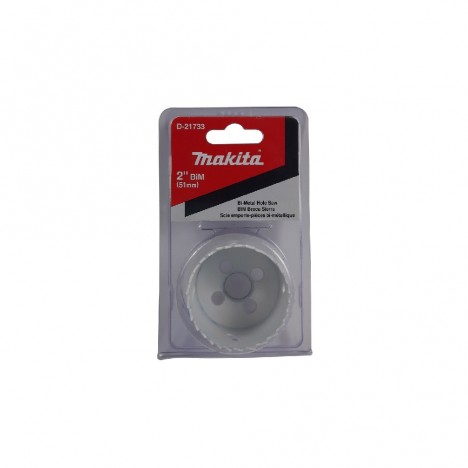
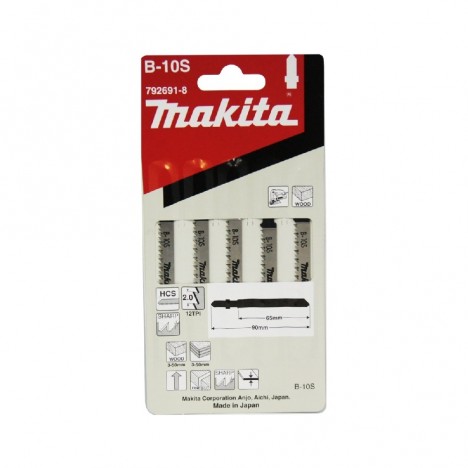
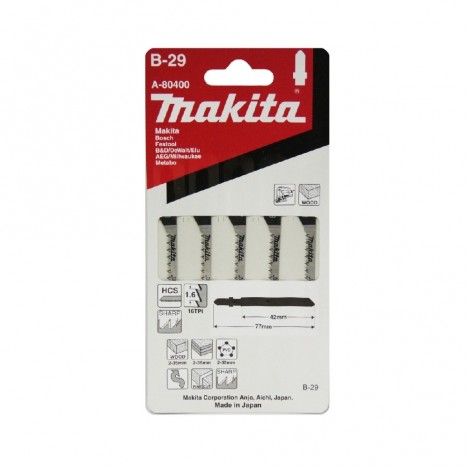
1. Cutting Tools These cutting tools are designed by tapering metal or any material into a wedge shape. When the tool impacts the material, it creates a shearing force; however, the tool material must be harder than the material being cut.

2. Moving/Driving Tools Moving tools can be defined as impacting an object to move it into a desired position, such as a hammer and nail or a screwdriver and screw. The goal of moving the material is to place it in the correct position using the tool as the actuator.

3. Temperature-Altering Tools Examples include lighters, heat blowers, or tools that induce various chemical changes.

4. Measuring and Guiding Tools Examples of this category include rulers, surveying transits, microscopes, clocks, and even telephones fall into this category as well.

5. Shaping Tools Tools in this category include molds, jigs, and trowels, for example.

6. Fastening or Joining Tools Such as glue guns, welding machines, melting furnaces, etc.

7. Data Management Tools Tools in this category include electronic instruments or computers.
All in all, some tools may combine the capabilities of several types of tools into a single unit, and further branch out into many other tools whose names indicate their specific application, such as mechanic tools, woodworking tools, plumbing tools, welding tools, etc. In addition, protective equipment or safety gear is also considered another type of tool, because gloves, safety glasses, or even safety shoes provide functional utility, thus fitting into the definition of the word "tool".