


 EN
 ไทย


Customers Also Purchased
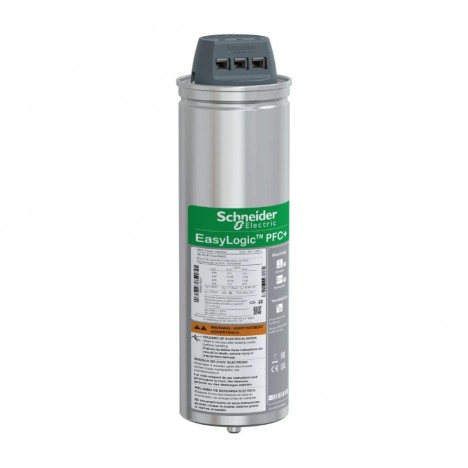
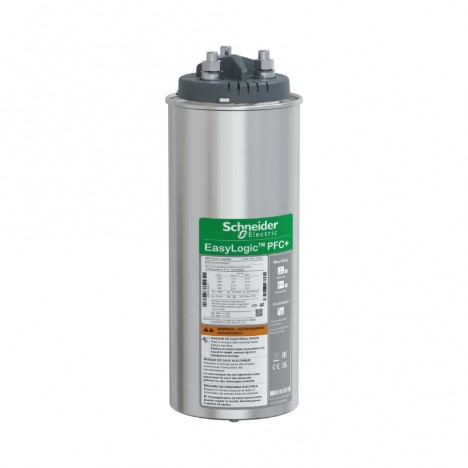
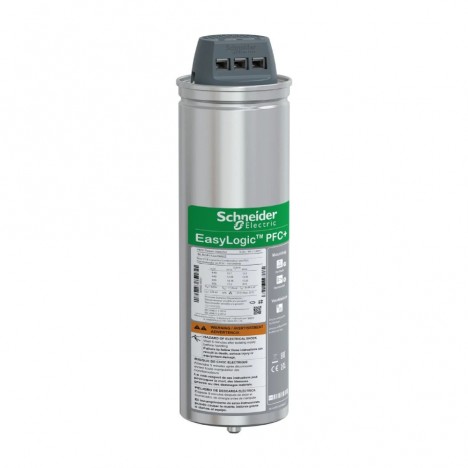
When it comes to electrical spare parts that many people have heard of but still don't quite understand what they do, "Capacitors" Or what many simply call "caps," are probably among the most common components encountered. They are found in fans, air conditioners, water pumps, motors, home appliances, control panels, electronic circuit boards, and even electrical systems in buildings and factories. Some people know capacitors from a fan that won't spin; some know them from an AC compressor that won't start; while others come across terms like Start Capacitor, Run Capacitor, or PFC Capacitor when shopping for spare parts, yet remain unsure of how they differ.
In reality, there isn't just one type of capacitor, and you cannot simply swap one for another. Each type of capacitor is engineered for a specific function: some help a motor start spinning, some help it run smoothly and continuously, some are used in electronic circuits to filter signals or temporarily store electrical charge, and others, like PFC Capacitors, are used in building or factory electrical systems to help improve the power factor.
A common mistake is choosing a capacitor based solely on "casing size" or "similar appearance" without checking the µF rating, voltage, capacitor type, AC/DC system, or the function of the original unit. Replacing it with the wrong part causes issues such as the fan still spinning slowly, the motor failing to start, the motor overheating, swollen or exploded capacitors, the AC not working, or recurring electrical problems. Therefore, before buying or replacing a capacitor, it is essential to understand how many types there are, what each is used for, and what happens if you choose the wrong one.
 What is a capacitor?
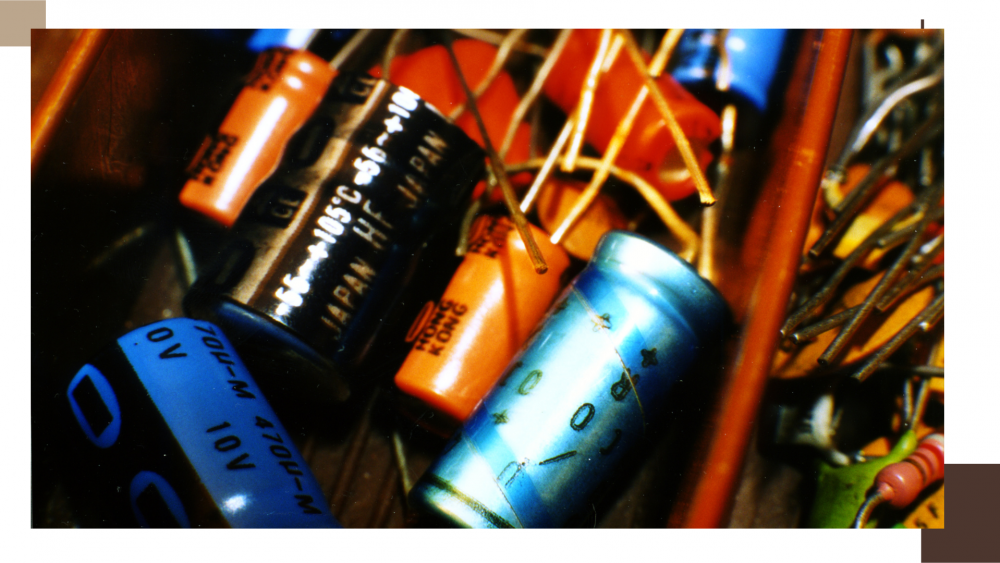
A capacitor is an electrical component that temporarily stores and releases electrical energy. Inside, it consists of two conducting plates separated by an insulator (dielectric). When a voltage is applied, the capacitor stores electric charge and can discharge it at the exact moment the circuit requires.
To put it simply, a capacitor acts like a device that "temporarily holds electricity" and discharges it to assist a specific operation. However, its actual function varies greatly across different circuits. For instance, in fans and motors, a capacitor can help generate the torque needed to start the motor or keep it running efficiently. In electronic circuit boards, it may be used to filter signals, reduce noise, or smooth out voltage. In industrial electrical systems, it helps improve the Power Factor.
Importantly, capacitors are directly connected to electricity, and some can retain a dangerous electrical charge even after the power is turned off. Never handle, replace, or wire them yourself without proper knowledge. Especially for capacitors in air conditioners, motors, water pumps, control panels, or high-voltage systems, always have an electrician or specialist inspect them first.
Why are there so many types of capacitors?
The reason there are so many types of capacitors is that different electrical applications require different characteristics. A capacitor used in a household fan is not engineered like one on an electronic circuit board, and a capacitor designed for power factor correction in a factory cannot replace a fan capacitor.
What sets each capacitor type apart includes capacitance value, voltage rating, AC or DC current, polarized or non-polarized design, internal materials, lifespan, temperature tolerance, case dimensions, terminal type, and circuit function. Some are built for continuous duty, some for brief intermittent use, some for compact electronic circuits, and others for heavy-duty power systems.
Therefore, "capacitor" is a broad term covering multiple categories of components, not a single interchangeable spare part. When choosing a capacitor, always check the original device specifications, refer to the user manual, or consult a technician. Do not rely on myths like "higher value means more power" or "bigger size means better quality," because in practice, using the wrong rating can severely damage the system.
How many types of capacitors are there? An easy-to-understand breakdown
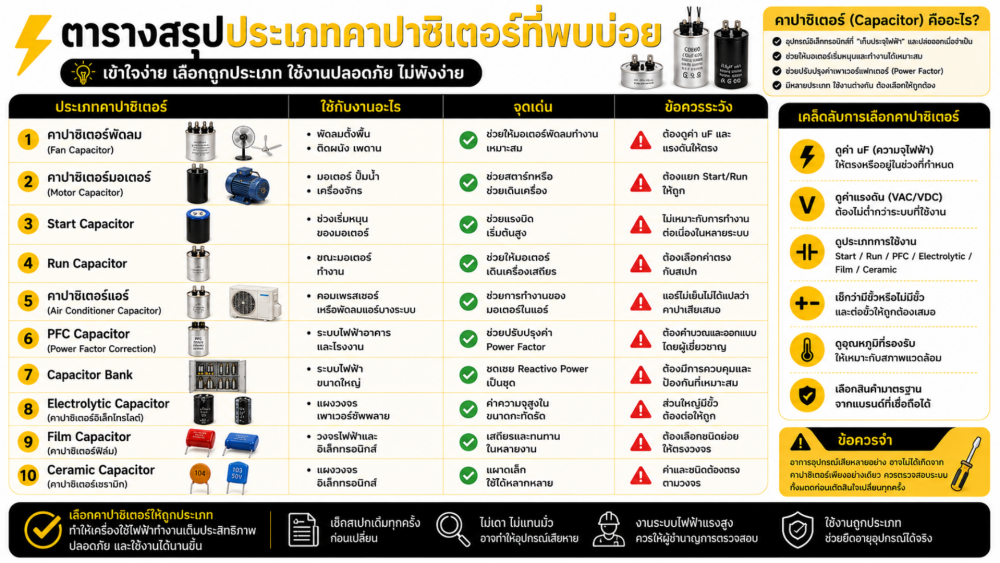
When classified by actual application, capacitors can be divided into 3 major groups: capacitors for electrical appliances and motors, capacitors for building or industrial power systems, and capacitors for electronic circuits.
The first group consists of capacitors that most people commonly encounter, such as fan capacitors, motor capacitors, water pump capacitors, and air conditioner capacitors. This group is typically involved in helping motors start or run properly.
The second group consists of power system capacitors, such as PFC Capacitors and Capacitor Banks, which are commonly used in buildings, factories, electrical switchboards, or systems with heavy inductive loads like motors, machinery, transformers, and large HVAC systems.
The third group consists of electronic circuit capacitors, such as Electrolytic Capacitors, Film Capacitors, and Ceramic Capacitors, which are widely used in circuit boards, adapters, power supplies, audio equipment, electronic devices, and various control circuits.
1. Fan Capacitors
Fan capacitors are the most familiar to everyday users because failure symptoms are usually obvious: the fan spins slowly, fails to spin, requires a manual push to start, hums without spinning, or runs noticeably weaker than usual. In many cases, a degraded fan capacitor is one of the primary culprits behind these issues.
The function of a fan capacitor is to help the fan motor operate properly, particularly by creating a phase shift to help the motor start spinning and continue running smoothly. However, it is important to understand that a fan not spinning does not always mean the capacitor is faulty, as it could also be caused by a stiff shaft, dry bushings, damaged motor windings, a faulty switch, broken wiring, or jammed fan blades.
When replacing a fan capacitor, what you need to check is the uF rating and voltage specified on the original unit, such as 1.5uF, 2uF, 2.5uF, or the value specified for that fan model. You should not guess the value or install a higher capacitance thinking it will make the fan run faster, because an improper rating can cause the motor to malfunction, overheat, or shorten its lifespan.
2. Motor Capacitor
Motor capacitors are used with many types of electric motors, such as water pump motors, small machinery motors, gate motors, workshop motors, and equipment requiring initial starting torque or proper motor operation. Capacitors in motors often play a very crucial role, because if the wrong one is chosen or if it degrades, the motor might fail to start, spin slowly, hum, or overheat unusually.
In motor applications, you often encounter the terms Start Capacitor and Run Capacitor, which serve different functions. A Start Capacitor helps during the initial startup phase of rotation, while a Run Capacitor assists while the motor runs continuously in certain systems. Choosing the wrong type may prevent the motor from operating as designed.
Therefore, a motor capacitor should not be selected solely based on case size or appearance. You must check the uF rating, voltage rating, capacitor type, terminal style, and the original motor specifications. If it is a high-power motor or used in critical applications, an electrician should inspect it before replacement, as choosing incorrectly can cause damage to the motor worth many times the cost of the capacitor.
3. Start Capacitor
A Start Capacitor is a capacitor used to help the motor begin rotating initially, especially for certain types of motors that require high starting torque. Once the motor starts spinning, the system may disconnect the Start Capacitor from the circuit via a centrifugal switch, relay, or control unit, depending on the motor design.
A key point regarding Start Capacitors is that in many systems, they are typically not designed for continuous operation. If used improperly or if the start capacitor remains in the circuit for too long, it can cause the capacitor to overheat, degrade quickly, swell, or fail.
Symptoms that may be related to a faulty Start Capacitor include the motor humming without starting to spin, requiring a manual push to start, or tripping when attempting to start. However, these symptoms can also stem from other causes, such as damaged windings, stiff bearings, jammed loads, or electrical system faults. Therefore, the entire system should be inspected rather than concluding from a single symptom.
4. Run Capacitor
A Run Capacitor is a capacitor used while the motor is operating in systems designed with a run capacitor. Its role is to help the motor run more stably, assist with the current phase in certain winding sets, and keep the motor running according to its designed specifications.
Run Capacitors are typically designed for continuous, long-term operation compared to Start Capacitors. Therefore, randomly using a Start Capacitor in place of a Run Capacitor is not appropriate because their operating characteristics differ. Even if some ratings appear similar, their functions and durability under continuous duty are not the same.
If a Run Capacitor deteriorates, possible symptoms include the motor running weaker, heating up, operating below full power, making abnormal noises, or stalling under load. However, it must be emphasized again that these symptoms can also come from the motor itself or mechanical loads, so a technician should inspect it in conjunction with the entire system.
To sum up simply: a Start Capacitor focuses on helping to "start," while a Run Capacitor focuses on helping to "run." Choosing incorrectly between the two can cause the motor to malfunction or lead to premature capacitor failure.
5. Air Conditioner Capacitor
Air conditioner capacitors are typically associated with motors in the air conditioning system, such as compressors and certain fans, depending on the AC model and system design. If the capacitor deteriorates, symptoms that many often suspect include the AC not blowing cold air, the compressor failing to start, the condenser fan not spinning, or the unit humming without operating at full capacity.
However, an AC not cooling does not always mean the capacitor is faulty. Causes could also stem from refrigerant leaks, dirty coils, a broken compressor, a failed fan, control board issues, faulty relays, defective sensors, or an inadequate power supply. Therefore, an AC technician should perform actual measurements; you should not replace the capacitor based on guesswork alone.
An air conditioner capacitor must be chosen to match original specifications exactly, including uF rating, voltage rating, terminal configuration, and application type. Because an air conditioner is an appliance that consumes relatively high power, installing an incorrect replacement can cause the compressor or motor to malfunction and may lead to more extensive damage.
6. What is a PFC Capacitor?
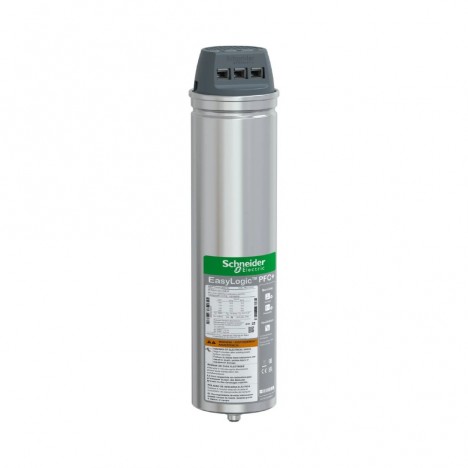
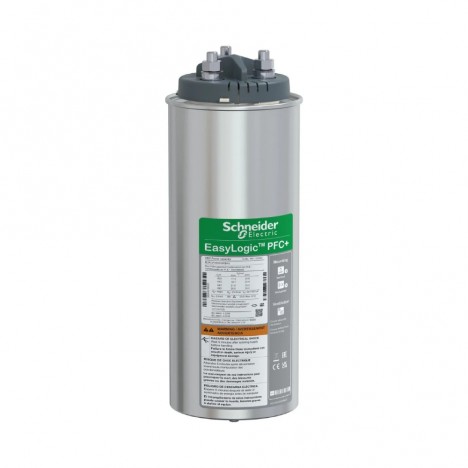
A PFC Capacitor, or Power Factor Correction Capacitor, is a capacitor used in electrical systems to help improve the Power Factor. It is commonly found in buildings, factories, electrical switchboards, or systems with significant inductive loads, such as motors, machinery, transformers, pump systems, or large air conditioning systems.
In electrical systems with inductive loads, part of the current becomes reactive power, which is not directly converted into useful real power but impacts the efficiency of the electrical system. Properly installing a PFC Capacitor helps compensate for reactive power and improves the overall Power Factor.
However, a PFC Capacitor is not something you should size through guesswork. It requires calculations based on actual load, original Power Factor, target goals, the electrical system, load characteristics, harmonics, and system protection. Choosing the wrong value or improper installation can cause issues such as overcompensation, overheating, premature degradation, blown fuses, or control panel failures. Therefore, PFC work should be designed by an electrical engineer or a specialist.
7. What is a Capacitor Bank?
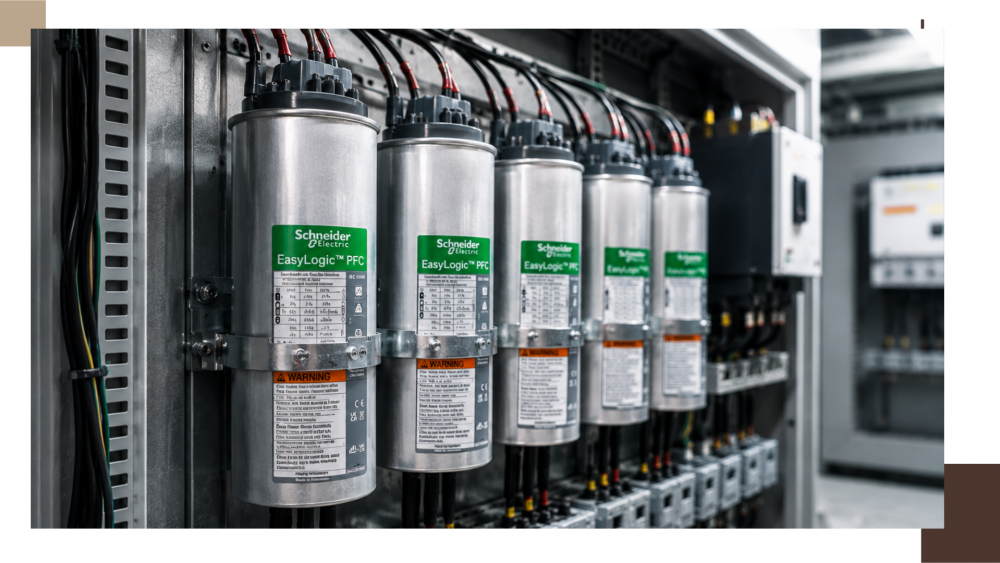
A Capacitor Bank consists of multiple capacitor units connected together for use in an electrical system. It is primarily used to improve the Power Factor in building systems, industrial plants, or systems with large loads, rather than being a single capacitor like those found in general household fans or air conditioners.
A Capacitor Bank may be divided into multiple steps and controlled by a Power Factor controller, allowing the system to switch capacitors on or off according to varying loads. For example, during peak machinery operation, the system may need more compensation, while at low load, it may require less. This type of dynamic control is much more suitable than leaving all capacitors continuously connected.
A key concern is that Capacitor Banks involve power electrical systems, requiring protection devices, thermal dissipation, proper voltage ratings, overcurrent protection, and harmonic considerations. Installing one without proper design can lead to electrical system damage.
8. Electrolytic Capacitors
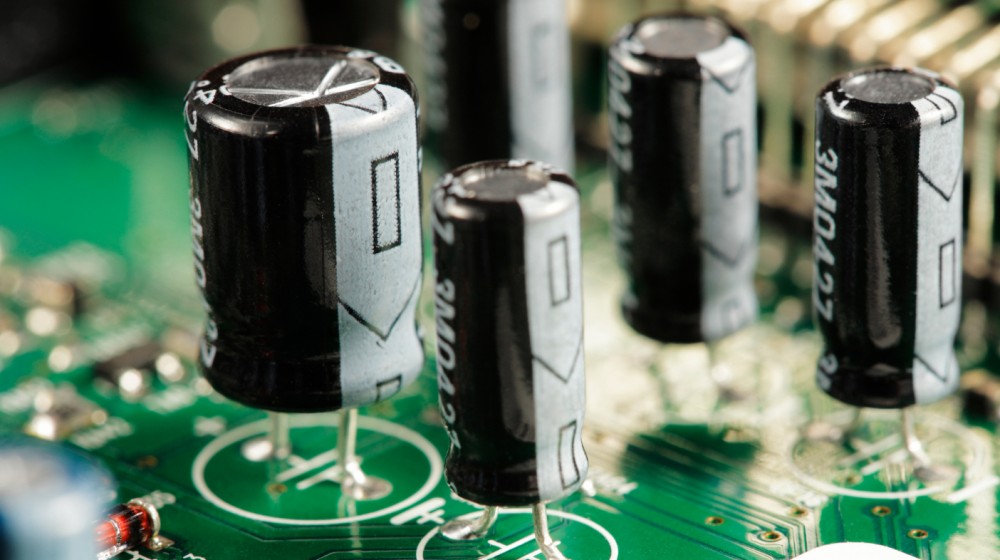
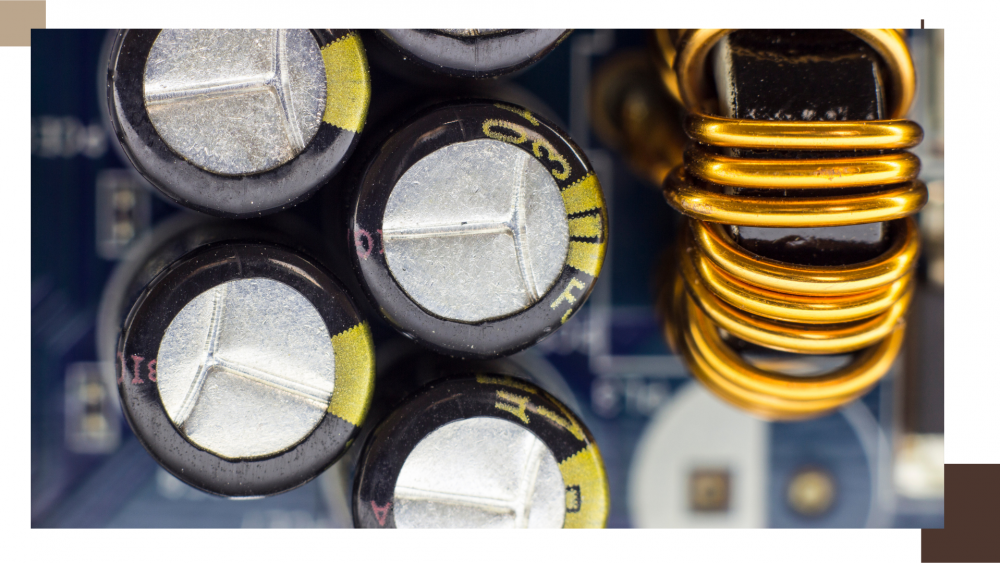
An Electrolytic Capacitor is a common capacitor found in electronic circuits, such as power supplies, adapters, audio equipment, control boards, home appliances, and circuits that require relatively high capacitance in a compact size.
A key feature of electrolytic capacitors is that most are polarized; positive and negative terminals must be connected correctly. Reverse polarity can cause the capacitor to heat up, bulge, leak, or even explode in some cases. It is vital to clearly check the markings on the capacitor casing and the orientation on the circuit board.
Common failure symptoms in electrolytic capacitors include bulging, leaking, electrolyte residue at the base, or reduced capacitance. This causes circuit malfunctions such as failing to power on, spontaneous restarts, noise interference, or unstable supply voltages. However, these symptoms should always be tested alongside the rest of the circuit and not judged solely by visual inspection in every case.
9. Film Capacitor
A Film Capacitor uses plastic film as its dielectric. It comes in various subtypes, such as Polyester Film, Polypropylene Film, and others depending on the application. Its general advantages include high stability, durability, and suitability for applications requiring more consistent performance than certain other capacitor types.
Film Capacitors are found in electronic circuits, filter circuits, electrical circuits, certain motor applications, and many non-polarized capacitor requirements. However, this does not mean all film capacitors are interchangeable, as voltage rating, capacitance, film type, and circuit environment must be considered.
In power engineering, some capacitor groups used for motors or PFC systems also utilize film-based technologies. However, a clear distinction must be made between general-purpose film capacitors and application-specific capacitors engineered for power electrical systems.
10. Ceramic Capacitor
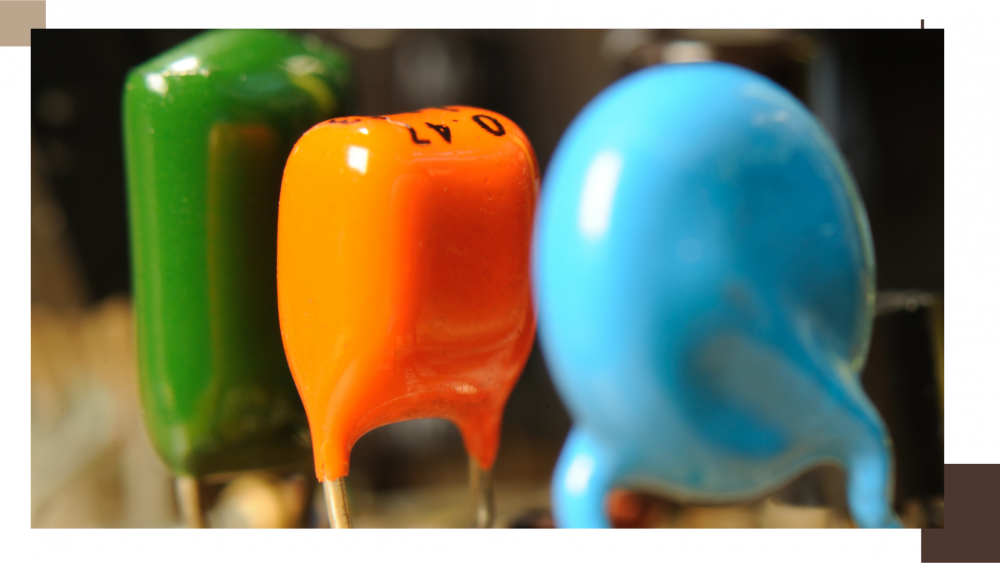
Ceramic Capacitors are small capacitors widely found on electronic circuit boards. They are used for signal filtering, noise suppression, bypassing, decoupling, or various frequency circuits according to the circuit design.
The advantages of Ceramic Capacitors are their compact size, low cost, and versatile usability. However, they come in various grades and types, and their characteristics can change with temperature, voltage, or dielectric type. Therefore, in high-precision circuits, the appropriate type must be selected rather than looking only at capacitance value.
For general users, Ceramic Capacitors may not seem as prominent in large appliances as fan or motor capacitors, but they are essential in the electronics world, as almost every circuit board contains them across multiple positions.
11. What is the difference between polarized and non-polarized capacitors?
Some capacitors are polarized, such as Electrolytic Capacitors, which must be connected with the correct positive and negative polarity. Others are non-polarized, such as certain Film Capacitors, many Ceramic Capacitors, or specific motor capacitors designed for AC power.
This difference is crucial because connecting a polarized capacitor in reverse can cause it to degrade, overheat, bulge, or even explode in some cases. Non-polarized capacitors, on the other hand, are typically suited for AC circuits or circuits without fixed polarity, though matching the appropriate capacitance and voltage ratings to the application is still essential.
Therefore, before purchasing a capacitor, you should check whether the original one is polarized or non-polarized. If you are unsure, do not guess based on appearance alone, as some types of capacitors have similar casings but vastly different operating characteristics.
What is the difference between AC and DC capacitors?
Capacitors used in AC and DC circuits may differ in specifications and construction, particularly regarding voltage rating, polarity, and application type. Some capacitors are suited for DC, such as electrolytic capacitors in power supply circuits, while others are suited for AC, such as motor capacitors or PFC capacitors designed for alternating current systems.
What must be checked on the capacitor is the rated voltage specified, such as VDC or VAC, because you should not compare different voltage types directly without understanding them. A capacitor used in the wrong system can be damaged or become unsafe.
For motors, air conditioners, water pumps, or PFC applications, choose capacitors specified for AC use with a voltage rating suitable for the system. For electronic circuit boards, check what type of circuit the capacitor is in and what specific type is required by the circuit design.
What values should you check when choosing a capacitor?
When choosing a capacitor, do not just look at the case size, but check the key specifications on the original capacitor or in the equipment manual. The first important value is the uF or microfarad rating, which is the electrical capacitance indicating how much charge the capacitor can store. This value must match or fall within the range specified by the manufacturer; do not increase or decrease it on your own without proper knowledge.
The voltage rating is also very important, such as VAC or VDC. It must be selected to match the electrical system and must not be lower than what the equipment requires. If the voltage rating chosen is too low, the capacitor may fail quickly or become unsafe.
In addition, you should check the capacitor type—such as Start, Run, PFC, Electrolytic, Film, or Ceramic—whether it is polarized or non-polarized, the operating temperature rating, the case dimensions and terminal styles, product quality standards, and whether it can physically replace the original unit in the existing space.
Checklist of items to verify before buying a capacitor includes:
- uF value or capacitance
- Voltage rating (VAC or VDC)
- Capacitor type
- AC or DC application
- Polarized or non-polarized
- Whether it is a Start capacitor or Run capacitor
- Case dimensions and terminal style
- Operating temperature rating
- Product standards and quality
- Original specifications from the equipment or manufacturer's manual
What Are the Consequences of Choosing the Wrong Capacitor?
Choosing the wrong capacitor may prevent equipment from functioning properly, such as fans still spinning slowly, motors failing to start, air conditioners not working, or circuits failing to turn on. More concerningly, it can cause severe damage to equipment, such as motor overheating, winding failure, capacitor bulging, explosion, blown fuses, or damaged circuit boards.
If the uF value is too low, the motor may struggle to start, have insufficient torque, or fail to operate at full efficiency. If the value is too high, the motor may experience abnormal current, overheat, or run beyond its specifications. If the voltage rating is too low, the capacitor may not withstand the system voltage. Selecting the wrong type, such as using a start capacitor instead of a run capacitor, can lead to premature capacitor failure or system malfunctions.
For PFC Capacitors or Capacitor Banks, selecting the wrong specification can affect the entire electrical system, not just a single device—such as overcompensation, high harmonics in the system, capacitor overheating, or protective device malfunctions. Therefore, system-level applications should be designed by specialists; you should not select a kVAr rating based on rough estimates without measuring the actual load.
Common Symptoms of a Failing Capacitor
A failing capacitor can exhibit various symptoms depending on the device it is in. For fans, it may spin slowly, not spin at all, or hum. For motors, it may fail to start, overheat, or run below full power. For air conditioners, it can cause the compressor or certain fans to stop working. For circuit boards, it can prevent the device from turning on, cause spontaneous restarts, or result in unstable supply voltage.
Physical warning signs to watch out for include capacitor bulging, leaking, cracking, a burning smell, abnormal residue, or minor popping sounds from the capacitor body. If you notice any of these signs, do not continue using the equipment; turn it off, disconnect the power, and have a technician inspect it.
However, you should not always conclude that the device failed solely due to the capacitor, as similar symptoms can be caused by other components, such as a damaged motor, broken wiring, control board issues, a faulty relay, mechanical jamming, or electrical system faults. Proper inspection using specialized tools and knowledgeable personnel is essential.
Different Capacitor Types Have Different Uses—The Wrong Choice Can Damage the System
Capacitors are electrical components that come in many types with vastly different applications, ranging from fan capacitors, motor capacitors, and air conditioner capacitors (Start and Run Capacitors) to PFC Capacitors, Capacitor Banks, and electronic circuit capacitors like Electrolytic, Film, and Ceramic Capacitors. Every type has a specific function and must be selected to match the operating circuit or equipment.
The key to selecting a capacitor is not just looking at its appearance or case size, but checking the uF rating, voltage rating, capacitor type, AC/DC system, whether it is polarized or non-polarized, temperature rating, and the original specifications of the equipment. Choosing incorrectly can cause the machine not to start, the motor to overheat, the capacitor to swell, the circuit to fail, or electrical system issues.
For small jobs like fans or general appliances, caution is still advised because capacitors can retain a residual electrical charge. For larger applications such as air conditioners, motors, water pumps, control panels, PFC Capacitors, or Capacitor Banks, have an electrician, engineer, or specialist inspect and select the correct equipment to ensure the system operates safely and lasts longer.
Safety Notice
Capacitors Capacitors can retain an electrical charge even after the power is turned off or unplugged. Inspecting, replacing, or removing capacitors should be performed by knowledgeable personnel using proper equipment. In particular, for capacitors in air conditioners, motors, control panels, building electrical systems, and PFC Capacitors, do not attempt to wire or replace them yourself without proper expertise.