


 EN
 ไทย



Customers Also Purchased
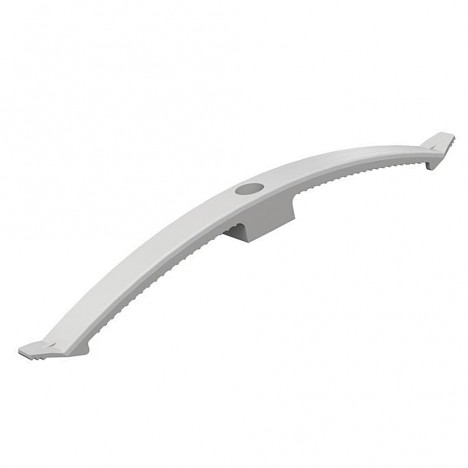


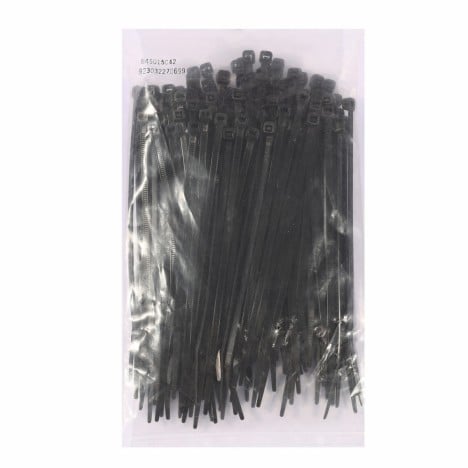
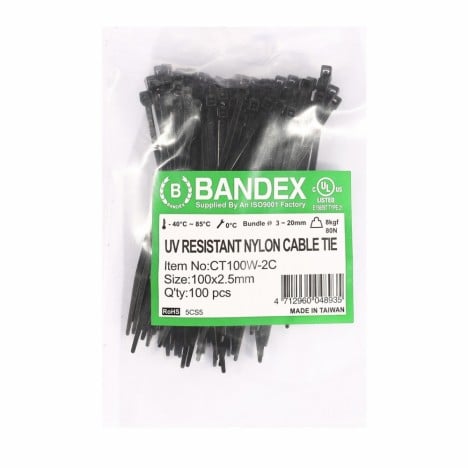
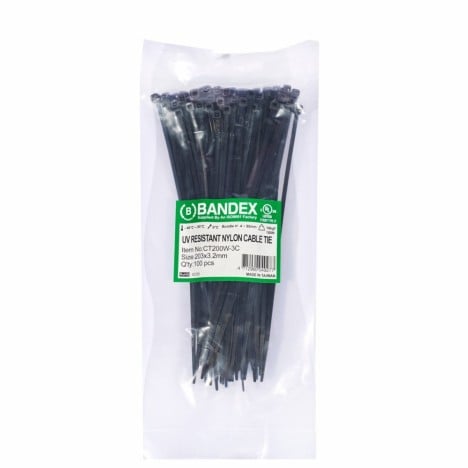
Cable Tie Or what we commonly call "wire ties," "zip ties," or even the familiar Thai term "prawn whiskers," are small devices that everyone has used. Whether it's for bundling electrical wires, tying items, using in technical work, around the house, or even for unexpected quick fixes. They are inexpensive, easy to find, yet versatile—so much so that many might forget that this little item actually has a very interesting history.
Today, Nong Chang will take you through an in-depth look at 10 things you might not know about cable ties, covering their history, trivia, techniques, and unexpected uses. Reading this will surely make you feel that the next time you pick up a cable tie, it's no longer just a small strip of plastic.
1. Cable ties were not invented solely for electrical wires
Many people might think cable ties were designed for electrical wires right from the start. But actually, their origin dates back to 1958 with the company Thomas & Betts, which invented them to organize the massive amounts of wiring in the aviation industry. In airplanes packed with thousands of wires, tying them by hand or using regular string was difficult and time-consuming. Cable ties were born to solve this problem.
For anyone who wants to read the full, in-depth origin story, Nong Chang has already shared it in the article: "The Story of Cable Ties! An Innovation from the Aviation Industry to Your Hands" which explains everything from their beginnings to their widespread adoption in daily life.
After that, they became widely used in other fields, whether for household electrical work, general maintenance, gardening, or temporary repairs. It can be said that this device has evolved far beyond what its inventors originally intended.
2. Tying doesn't always mean throwing away – there are "releasable models"
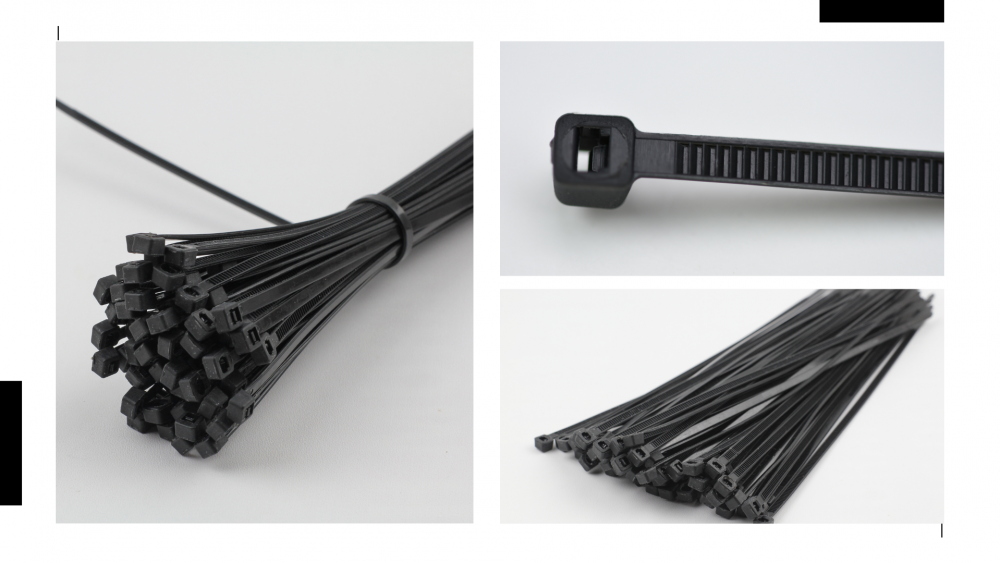
The common perception of a cable tie is that it must be cut off and discarded after use. But in reality, there are specially designed models that can be unlocked and reused, known as Reusable Cable Ties. Their key feature is a locking head with a small release tab to disengage the pawl, making them ideal for jobs that require flexibility, such as organizing cables at trade shows, setting up studio lighting, or test-fitting equipment before permanent installation.
This type of cable tie may cost more than standard models, but it is cost-effective in the long run because it can be reused multiple times and helps reduce plastic waste. Plus, it is more eco-friendly as it reduces new manufacturing demands. Moreover, in professional trades, many people keep them in their toolboxes because they allow for immediate adjustments without having to cut and tie a new one every time.
3. White and black are not just for looks, but represent different properties
Many people might buy cable ties without paying attention to the color, thinking it's just about aesthetics. But in fact, the color of a cable tie indicates its special properties.
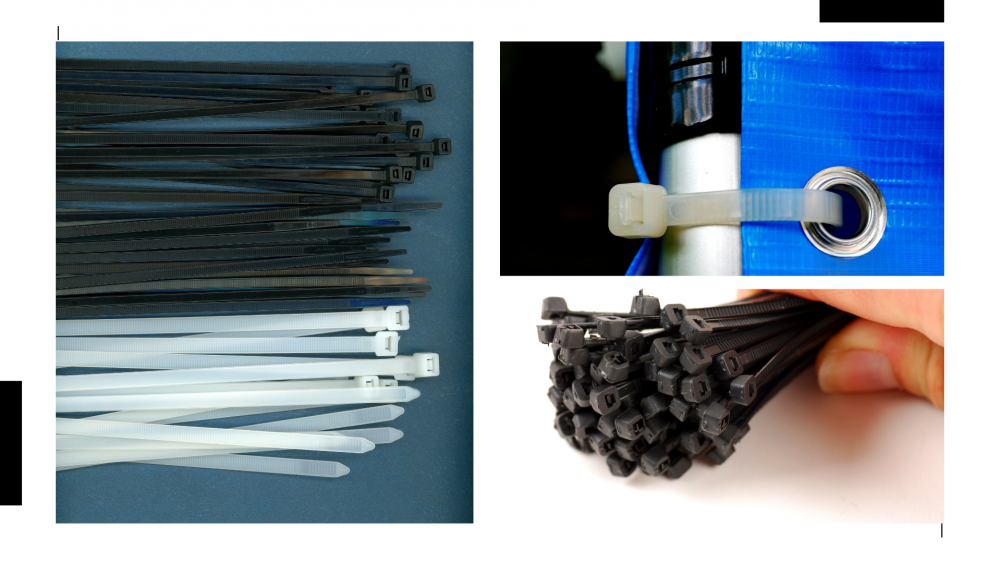
- White/Natural → Made from general nylon, suitable for indoor use. Shorter lifespan if exposed to direct sunlight or extreme heat.
- Black → Mixed with Carbon Black, providing better UV resistance. Suitable for outdoor use, weather-resistant, and won't become brittle as easily as white ties.
Generally on the market, most white and black cable ties adhere to these properties. However, there are exceptions: some brands may produce white ties with UV stabilizers added, or black ties that aren't actually mixed with carbon black. Therefore, when purchasing, always check the specifications or look for certification marks to ensure you choose the right product for the job.
In addition, there are other colors such as red, yellow, blue, and green, which are typically used for color coding to differentiate types of cables or equipment for easier inspection.
4. Cable ties also have a "tensile strength" rating, just like ropes or chains
Many people might think that all cable ties are equally strong, but in reality, manufacturers clearly specify the Tensile Strength, or "maximum tensile load." Just as ropes or chains each have their own load rating, this is a verifiable real-world standard, not just advertising claims.
- Standard small cable ties → Can withstand approximately 8–10 kg of force, suitable for light tasks like cable management or tying small items.
- Industrial cable ties → Some models can handle over 100 kg, used for strapping pipes, securing workpieces, or handling heavy materials.
Therefore, if you use a cable tie to strap items beyond its specified capacity, there is a high chance it will snap midway through. For example, some people have used them to bind metal pipes or large equipment parts, only for them to snap immediately because they were not designed for that kind of work. That's why when purchasing, you should always check the stated "tensile strength" to ensure safe use and the right match for the actual job.
5. Using them to bundle high-voltage cables isn't always safe
Even though they are called cable ties, caution is required when using them, especially when bundling high-voltage electrical wires. Tightening them too much can pinch and damage the wire insulation, posing a risk of short circuits. The resulting damage might not be limited to a single cable, but could spread throughout the entire electrical system—something professional electricians frequently warn about.
To address this issue, special cable ties have been designed, such as: Wide-head cable ties or an “Soft ties” that help distribute pressure They do not over-compress the cables, making them ideal for electrical work requiring high safety standards. They also meet safety certifications from various organizations, giving users greater confidence that using them with high-voltage cables will not cause unseen damage in the short or long term.
6. Heat-resistant, but they have their limits
Standard nylon cable ties can withstand heat up to approximately 85°C which is sufficient for general applications such as cable management in homes or offices. However, if used in extremely hot environments—such as engine compartments, factories, or near high-heat sources—they can melt or become brittle and break. Real user reports show that when used in the wrong environment, standard nylon cable ties can turn brittle and break within just a few months.
To support more demanding jobs, manufacturers produce Heat Stabilized Nylon Cable Tie specially formulated to resist heat up to 120–150°C and proven in actual automotive and machinery industries, ensuring they are suitable for use near heat sources without easily deforming. But for truly extreme resistance, you need to choose Stainless Steel Cable Ties, which are not only many times more heat- and flame-resistant than plastic, but also resist chemicals and corrosion—which is why refineries, power plants, and oil rigs choose them.
7. There are flame-retardant and even metal-detectable versions!
In the food and pharmaceutical industries, safety is paramount. If a single piece of cable tie falls into the production line, it can become a major issue. This led to the development of Detectable Cable Ties embedded with metal, allowing metal detectors to easily locate them. It is confirmed that this standard is widely used in international-grade factories to prevent contamination that could cause massive damage.
There are also flame-retardant cable ties made from special materials that resist flame spread and pass international safety testing standards such as UL 94V-2 or higher. They are used in public transportation systems like trains, high-rise buildings, or locations requiring strict fire protection to reduce fire risks and provide peace of mind that the material will effectively inhibit flame propagation in unforeseen situations.
8. Stainless Steel Cable Ties: The Industrial Heroes
For extremely demanding applications such as oil rigs, ocean-going vessels, refineries, or chemical plants → Stainless Steel Cable Tie are the answer because they offer excellent resistance to salinity, heat, and corrosive chemicals. With a service life of decades, they differ significantly from nylon, which becomes brittle very quickly.
The advantage that makes them the choice for real-world industrial use is their tested properties: exceptionally high tensile strength, extreme weather resistance, and rust resistance even in environments with salt mist or chemicals—the primary reasons factories and drilling rigs widely adopt them.
Naturally, the downside is their higher price and the requirement for specialized tensioning tools. However, compared to the safety and durability gained in return, it is well worth it for critical jobs where no risks can be taken.
If you would like in-depth details comparing plastic and stainless steel cable ties to see which is more durable, our technician team has already covered it in a previous article. You can read more at: Plastic vs. Stainless Steel Cable Ties: Which Is More Durable?
9. Cable ties don't just come in basic styles, but also "fashionable" and "multi-purpose" designs.
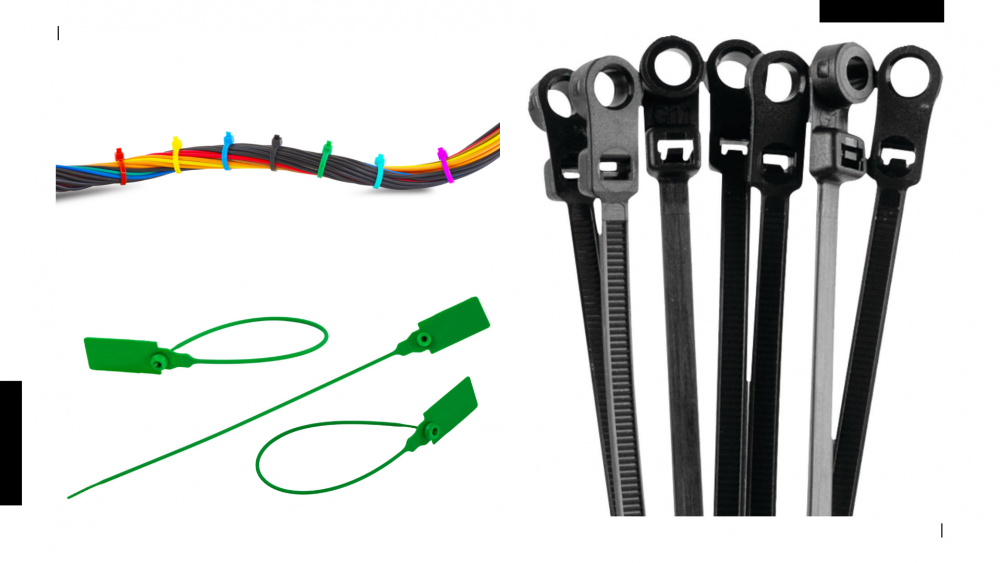
Who would have thought that cable ties could be so diverse? They are not just for bundling wires anymore; some models are designed for smarter and neater applications, such as: Marker Cable Ties For labeling wire information, making management easier and reducing errors during maintenance or troubleshooting. Some models feature a Screw Mount hole (Screw Mount Cable Tie) Allows direct mounting onto walls or steel frames, providing greater security and a more standardized finish than free-hanging bundles.
There are also multi-colored cable ties designed to complement interior décor or for wire color-coding according to electrical engineering standards. In addition, there are models engineered for specialized tasks, such as chemical-resistant cable ties for laboratories, high-heat resistant models for machinery, and variants built specifically for construction work. It can truly be said that they cover everything from everyday household use to major industrial projects.
10. Truly Usable as an Emergency Tool
Beyond conventional uses, cable ties are also utilized as emergency tools across many fields, with numerous real-world cases confirming that they help solve problems just in time.
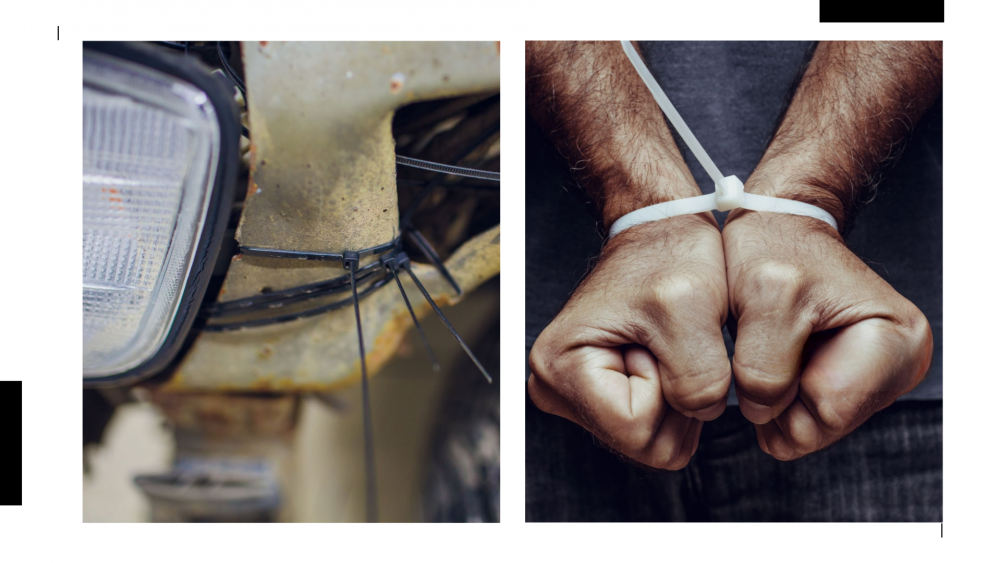
- Military / Police Sectors → Used as "temporary handcuffs" because they are portable, lightweight, and fasten tightly, making them difficult to escape. Multiple countries have documented their use as substitutes for actual handcuffs in crowd control situations.
- Automotive Sector → Used to fix detached bumpers, secure parts temporarily, or clamp plumbing/water pipes in emergencies. Some race car drivers even keep them in their cars for trackside emergency repairs.
- Hiking/Camping Scene → Used to repair outdoor gear, such as tents with damaged poles or securing luggage that comes loose along the way.
This is another reason why cable ties have become an item everyone wants to keep in their toolbox, or even in their car and luggage, because they can truly be lifesavers in unexpected situations.
Cable Ties in the Present and Future
Nowadays, cable ties are no longer just small tools for bundling wires; they have become a symbol of creativity and adaptation to suit various situations—from homes and offices to large industrial plants. It is no surprise that they are considered an essential tool that virtually every organization must have on hand.
In the future, advances in materials science may bring us cable ties made from bio-based, naturally biodegradable materials, reducing plastic waste, which is a major global issue. This also includes models integrated with digital technology, such as cable ties embedded with tiny sensors capable of detecting temperature, tension levels, or even vibration, and instantly sending alert signals to smartphones or control systems.
If these advancements come to fruition, future cable ties might not just be cheap tools bought at a hardware store, but could evolve into "smart devices" that enhance safety, efficiency, and environmental friendliness.
Little Things the World Can't Do Without
Reading up to this point, I am confident that many of you will view Cable Tie differently—shifting from just a small plastic strip used for tying wires into a versatile tool packed with fascinating stories, from its history and design to unexpected applications.
Sometimes world-changing innovations don't have to be grand things; they can be small items like cable ties that genuinely make life easier at home, in factories, and even in emergency situations. Many might not realize that this humble little item is the "unsung hero" behind the tidiness and safety in everyone's daily lives.