


 EN
 ไทย


Customers Also Purchased

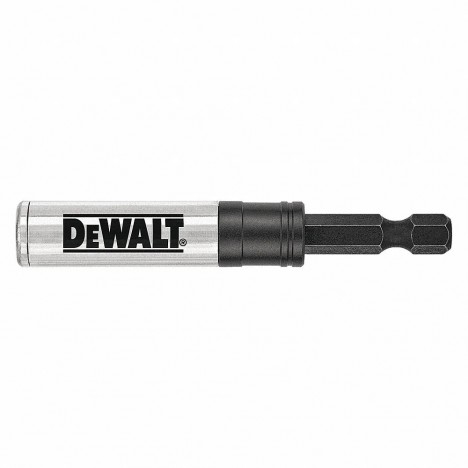
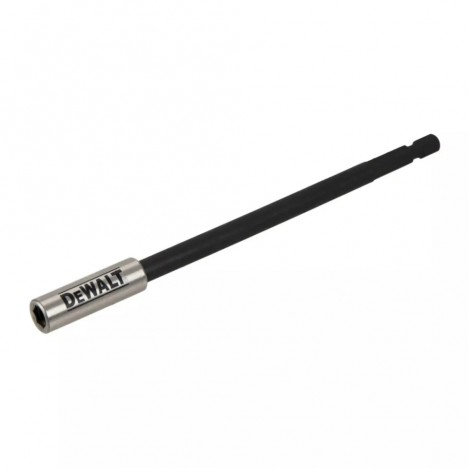
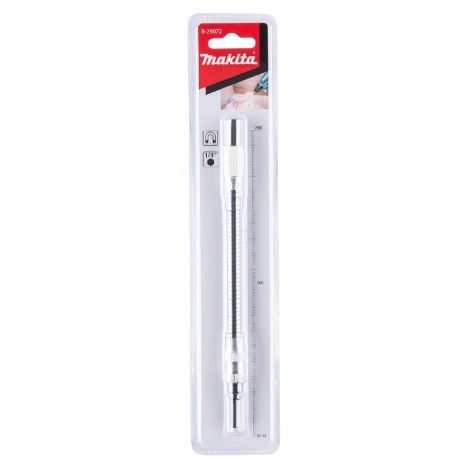
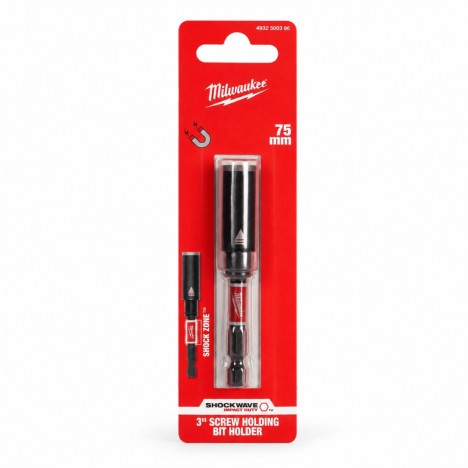
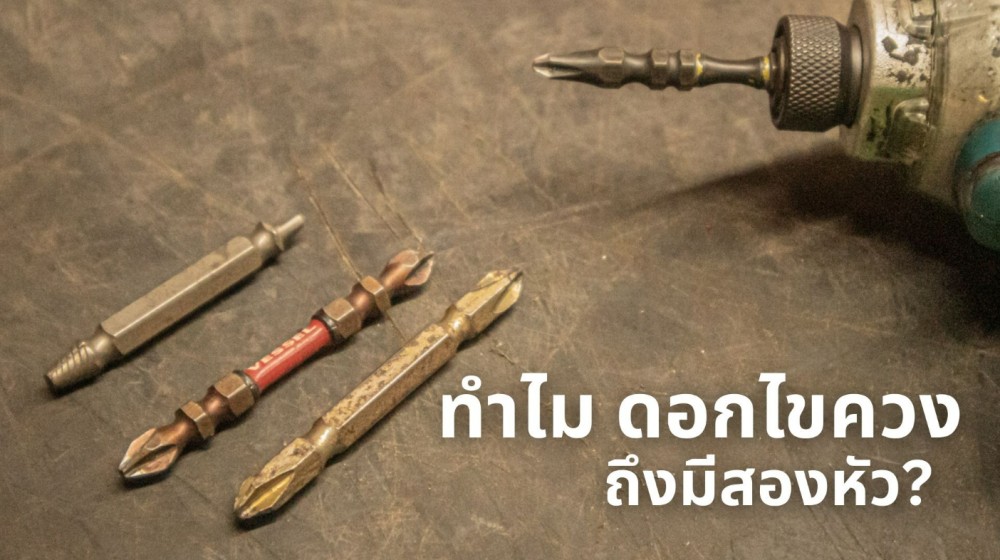
It can be said that Screwdriver bit It is one of the most common tool accessories we come across, whether in tool shops or various repair workshops. Everyone probably already knows, right? That screwdriver bits used for screws come in a vast variety, and we often focus on the type of bit head, such as Phillips, slotted, or the increasingly popular Torx.
However, choosing a screwdriver bit for your tool involves more than just the type of screw used or picking the right tip. What we will talk about in this article is the convenience factor which, when looked at closely, might directly affect how that bit fits into tools like screwdrivers or power drills. The question I want to ask is: have you ever seen double-ended screwdriver bits with tips on both ends? And have you ever wondered why they are designed this way, and how they can fit securely into standard hex chucks or drill chucks?
I couldn't help asking myself why some screwdriver bits are single-ended—just a plain Phillips or flat tip—while other models are made "double-ended" on the same shaft. When I first saw them, I thought they looked pretty cool. But questions immediately followed: how do you use these double-ended screwdriver bits, and can they be fitted into tools the same way? In this article, I want to take a deep dive into every angle: what are the real reasons behind designing double-ended bits, how convenient are they, and what are their limitations?
What is a screwdriver bit? Why is it so important?
Before moving on to the main question, let's start with the basics. A "screwdriver bit" is the component attached to a screwdriver or power drill to drive bolts or screws. Without this bit, the tool wouldn't be able to drive screws at all.
A quick overview of commonly encountered bit types
- Phillips (PH) Commonly used in household and woodworking tasks
- Slotted (Flathead) Super classic, the longest-standing type around
- Star/Torx (Torx T) Used for high-torque fastening jobs
- Robertson (Square) Used for furniture work in certain countries
- Specialty heads Such as Hex or Tri-wing for specialized equipment
I believe anyone who has ever used the wrong bit on a screw has encountered "stripped screws" or "damaged bit tips." This is precisely why there is such a wide variety of screwdriver bits available.
So what is a double-ended screwdriver bit?
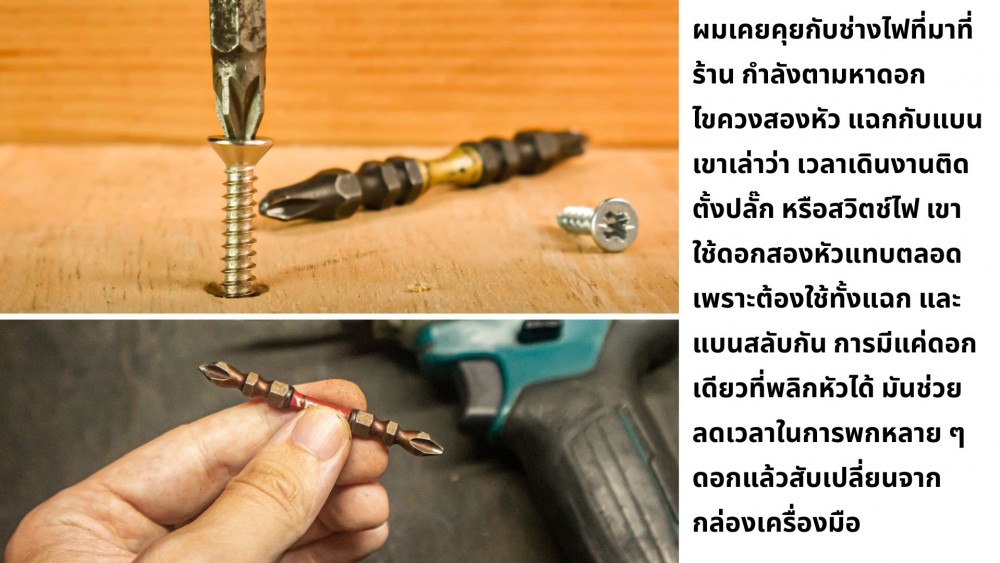
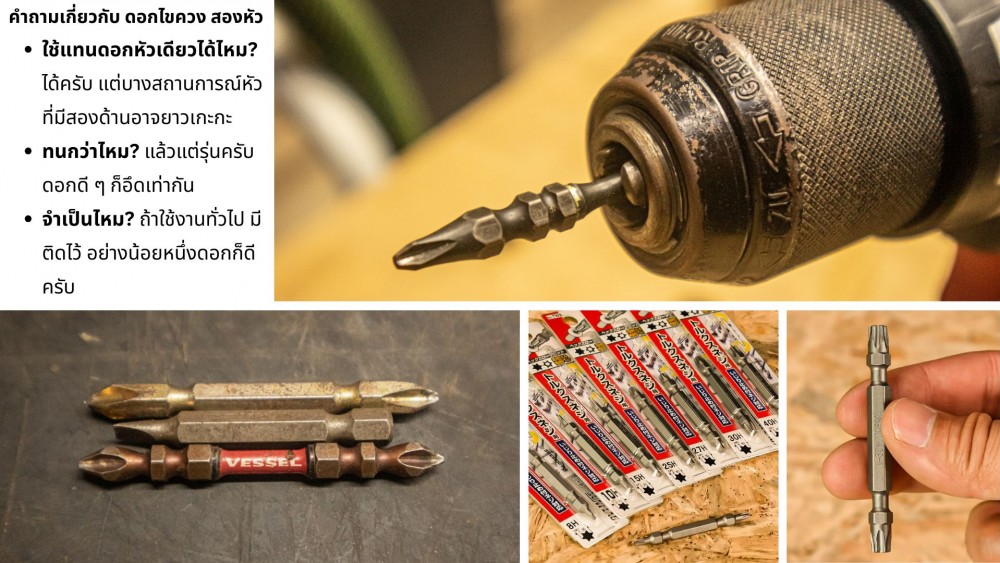
A double-ended screwdriver bit is a bit that features driving tips on both ends of a single shaft. Often, both ends are identical, working on the principle that once one end becomes dull or chipped, you can simply flip it over to use the other end by inserting the worn tip into the chuck instead.
Sometimes, there are double-ended screwdriver bits where each end has a different type of tip. For instance, one end might be a Phillips PH2 and the other a slotted 5.5 mm. Once you finish working with one side, you can easily flip to the other to change tips without the hassle of carrying multiple bits.
Key Highlights of Double-Ended Screwdriver Bits
- Saves Space Some models offer two functions in a single shaft
- Quick to Swap Just flip it around and it's ready to continue fastening
- Durable Because it is entirely made of a single piece of steel
Why make them double-ended? Is it just for convenience, or something more?
As I mentioned in the introduction, double-ended screwdriver bits look cool, and many might think they aren't that necessary. At first glance, they might seem to just offer convenience so you don't have to carry multiple bits, or having two ends might feel like just a "free bonus." But I think the real reasons behind designing screwdriver bits this way have much more depth. Let's see what they are.
In Practical Application
Imagine you are installing an air conditioner on a ladder nearly two meters high, and it's inconvenient to carry multiple screwdriver bits with you. If you need to switch to another type of bit, you would waste time climbing down to search for a new one in your toolbox.
When technicians are working in confined spaces, like on a ladder or inside an electrical control cabinet, swapping bits back and forth can be inconvenient. Having a double-ended screwdriver bit solves these problems. This might seem like a small detail, but for many who experience it firsthand, having a single bit that just flips over saves a lot of effort.
Cost and Portability
If you ask what comes second in importance after usability, my answer would be cost. Especially for general users who don't want to buy a lot of screwdriver bits and just want a single, high-quality, long-lasting one, combining two heads into one shaft can be the perfect answer for "value"—both in terms of money and space inside the toolbox.
Manufacturer Design
This is something many brand manufacturers "intentionally" design to meet current market demands. For example, DIY sets sold in department stores often include double-ended bits so general users can start using them immediately.
Can double-ended screwdriver bits be used with the same tools as single-ended bits?
Now that we have gotten to know double-ended screwdriver bits more in-depth, let's take a look at their usage. Many people might wonder whether a bit with two heads can be used in the same way. For example, when using a double-ended bit with a drill, like me, you might have wondered whether a standard drill chuck handles this type of bit well.
The answer is: almost entirely yes, just like standard screwdriver bits. However, there are still a few details you need to know before using them, which we will look into by focusing on each type of tool.
Used with manual screwdrivers
When it comes to manual screwdrivers, which don't use motor torque or any impact force for driving, or when you don't need to loosen very tight screws, they can certainly be used. Just insert it into an interchangeable bit screwdriver handle. However, a point of caution is that their length may be slightly longer than single-ended bits.
Used with electric screwdrivers / electric drills
Most of them work without any issues if the chuck is compatible, such as a quick-release (Hex) chuck or a standard 3-jaw chuck. However, you should choose an appropriate length because double-ended bits are sometimes longer than single-ended ones.
However, speaking of tools like impact drivers, these are designed to deliver high torque with added impact force. If you use a double-ended screwdriver bit that is not designed to withstand impact forces, it is very likely to break easily. Sometimes after just a few fastenings, the bit might twist, the tip might chip, or it might snap in half. Therefore, if you are going to use double-ended bits with an impact driver, follow the same principle as choosing any bit for this type of tool: make sure it is Impact Grade or an impact screwdriver bit.
Are there any disadvantages?
Of course, double-ended screwdriver bits are convenient, look cool, and can genuinely speed up certain tasks. But just like every type of tool and material, they also have limitations. Let's take a quick look at what these limitations are.
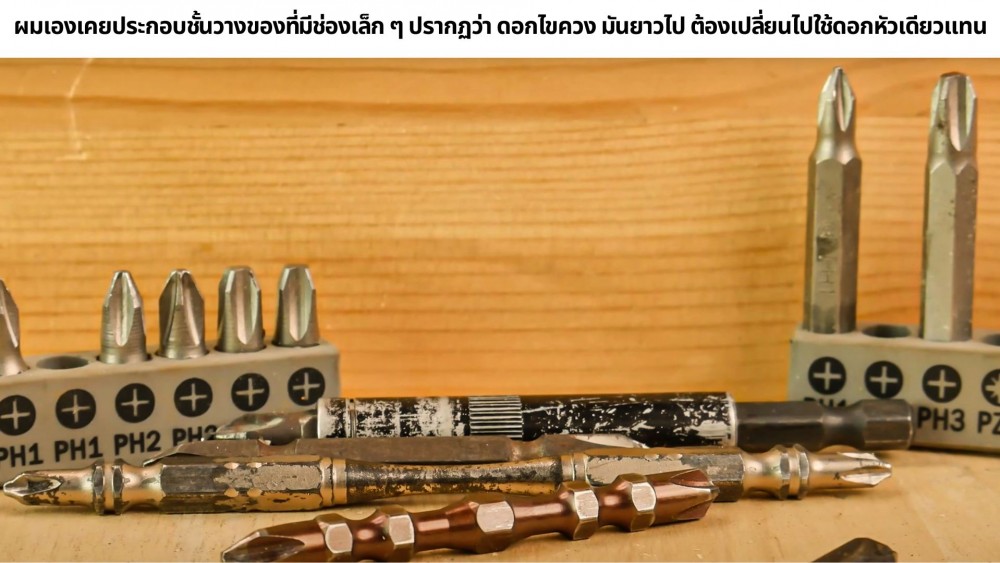
- May not be available in short lengths like single-ended bits Because extra length must be allowed for both ends
- Sometimes harder to switch Must be removed from the chuck to flip over
- If one side breaks, the other side might become unusable Because the broken side is the shank that gets clamped
- Inconvenient to use in tight spaces Because the unused end still protrudes
Who are double-ended screwdriver bits suitable for?
Having "two heads" is a purposeful design. The question is, who exactly should use double-ended screwdriver bits? Are they suitable for professional tradespeople who work every day, or can everyday people who just keep tools for occasional home repairs use them just as well? For me, it's an accessory that can be used for almost any general job that doesn't strictly require a specific single bit, such as:
- Electricians / HVAC technicians Who frequently need to switch between Phillips and flathead screws
- Field work Who need to carry as few tools as possible
- General DIY home users Who want an all-in-one solution
However, for specialized tasks or jobs requiring long runs of driving a single screw type—such as furniture making or assembling large machinery—I think opting for a high-quality single-ended screwdriver bit is more worthwhile. It eliminates issues with the bit being too long or having to repeatedly pull it out and flip it over.
So how do you choose to get the best value?
- Choose by the tip types on both ends Consider what types of tips your frequent tasks require. For example, for home electrical work, a Phillips-slotted combo is very practical. If both ends are the same type, once one end becomes dull without breaking, you can simply flip it to use the other side.
- Choose by length Available in short 50 mm, standard 65 mm, or extra-long 100 mm. You should choose one that fits your fastening space.
- Choose by material For impact driver applications, choosing screwdriver bits made from S2 Steel or HSS will provide better torque resistance.
Summary
Ultimately, I believe Double-ended screwdriver bits are used almost identically to standard bits. They aren't inherently better or worse, but rather an "alternative" that makes work more convenient in real-world scenarios.
For me, keeping a double-ended bit in the toolbox helps speed up work—especially when working on a ladder or in tight spaces where you don't want to constantly look for another bit to swap in. But for precision work or extremely cramped areas, I still think choosing a well-suited single-ended bit is easier to work with because it is less cumbersome.
If you come across a Screwdriver bit double-ended bit on display at a tool shop next time, don't overlook it right away. It's not just made to look cool; it might just be the lifesaver that makes your job much easier than you thought.