


 EN
 ไทย


Customers Also Purchased


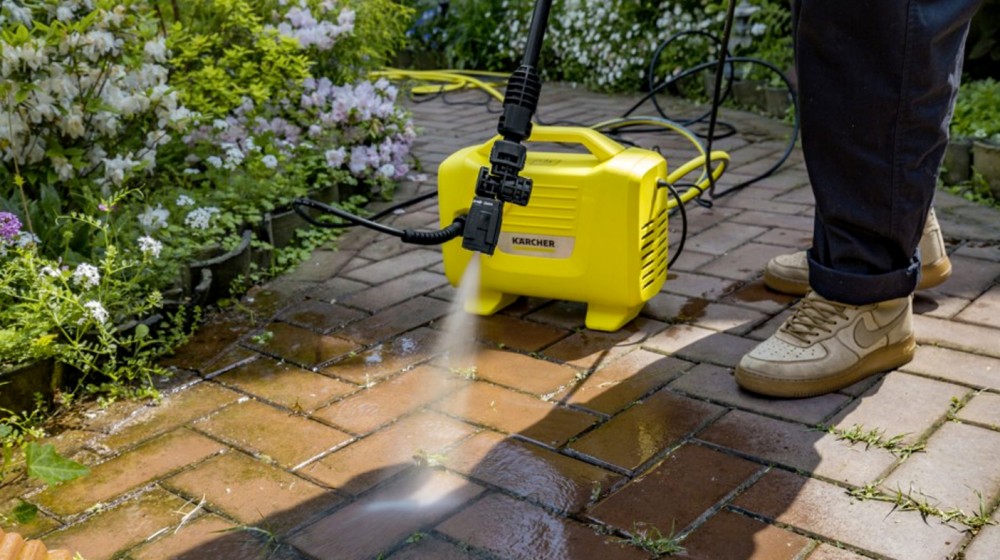
Have you ever experienced this when buying High-Pressure Washers a high-pressure washer, and being confronted with questions like "How much pressure?" or "How many bars are enough?" Then you start feeling confused because the numbers range anywhere from 90 bar up to 200 bar. The more specs you read, the bigger the headache. In this article, we'll walk you through in a simple, friendly way what this "pressure" actually is, how much it affects your usage, and if you only want to wash your car, clean your home's driveway, or remove moss, what pressure is just right—not too much, not too little, and without spending money unnecessarily.
What is pressure in the world of high-pressure washers?
When talking about high-pressure washers, many people might think of the powerful sound of spraying water that effortlessly dislodges stubborn stains. But the key factor behind that power is "water pressure." Pressure is the force with which water is driven out of the nozzle. The higher the pressure, the more forcefully the water shoots out, making it better at removing dirt. This pressure is measured in bar and PSI (pounds per square inch). Generally, 1 bar is approximately equal to 14.5 PSI.
To illustrate this simply: if your high-pressure washer has a pressure of 100 bar, that is about 1,450 PSI, which is plenty for general household tasks—whether it's washing garage floors, cleaning fences, or even washing your car until it looks brand new without needing much scrubbing effort at all.
Why is pressure important when using a high-pressure washer?
How well does pressure help remove dirt?
High pressure plays an essential role in "removing stains" or deeply embedded dirt that sometimes cannot be washed away by hand, such as caked-on mud inside wheel arches, moss covering concrete backyard floors, or oil drips on factory floors. No matter how many times you scrub by hand, it won't get clean. But once you use a high-pressure washer, the results are almost instant: the force of the water penetrates and lifts the stains without wearing you out with scrubbing.
Excessive pressure can cause damage
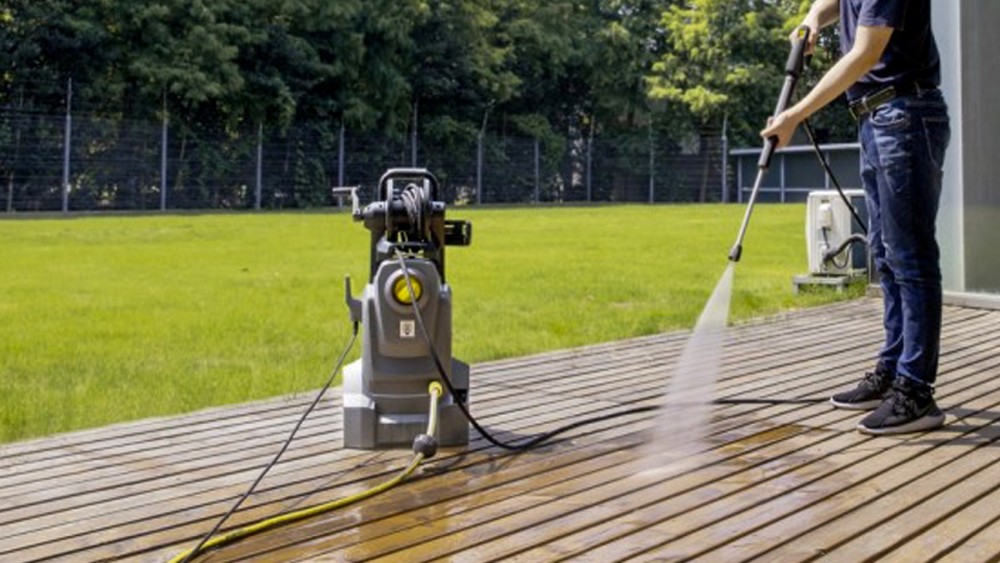
Pressure that is higher than necessary can be a double-edged sword. Instead of making cleaning easier, it might inadvertently cause damage—such as spraying too hard on wooden decks until they fray or crack, peeling off beautifully polished car paint, or, if sprayed on thin surfaces like thin plaster walls, even punching right through them! Therefore, you must match the pressure to the job; otherwise, instead of cleaning, you might end up having to repair things!
Choosing the right pressure saves both effort and time
Choosing the right pressure is like choosing the right weapon for the enemy. If you're dealing with light stains, there's no need to use immense pressure that wastes water and electricity. On the other hand, if you're cleaning factory floors with stubborn grime, you need heavy-duty power, or it won't come clean anyway. In the end, just the right amount of pressure will help you clean quickly without wasted effort, without wasting water, and, most importantly, keeping your surfaces looking as good as new.

Don't choose a high-pressure washer based on pressure alone
Even though pressure is often the first thing people look at when choosing a high-pressure washer, pressure alone is actually not enough. There are two other important factors that many overlook, even though they significantly affect performance. Just imagine: if a machine has high pressure but a low water flow rate, or if the motor lacks endurance, it might not feel as powerful as you thought during actual use. Therefore, you should consider all three factors when choosing a machine to ensure worthwhile and trouble-free operation.
Water Flow Rate
The unit of measurement is "liters/hour" or "liters/minute", which simply put is the volume of water that a high-pressure washer can deliver in a given amount of time. The higher the number, the stronger and more plentiful the water output, cleaning stains much faster. Just like when you turn a garden hose on low versus full blast—the difference is obvious, right? For example, a 120-bar washer that outputs 600 liters/hour might clean faster and remove stains easier than a 140-bar model that only delivers 300 liters/hour, because pressure alone isn't enough; you need water volume to help flush the dirt away.
Types of Motors and Water Pumps
- Universal Motor: Simply put, this is an economical motor. It comes at an affordable price and is suitable for light tasks such as washing cars or cleaning balconies. It runs a bit louder and has a shorter lifespan, making it ideal for weekend use or occasional house cleaning.
- Induction Motor: This is the real deal. It can run continuously without worrying about breakdowns, offers great durability, and runs quieter. It is ideal for frequent users or heavy-duty work, such as cleaning warehouse floors, washing machinery, or running a car wash business. Many professionals choose induction motors for their long-term reliability.
How to Choose the Right Pressure for Your High-Pressure Washer Application
General household tasks
- Using around 100–130 bar is more than enough for general household tasks such as washing cars, cleaning garage floors, or even fences and solar panels. There is no need to hunt down a powerful 180-bar unit, as the right amount of pressure will get everything spotless.
- It is recommended to choose a model with a water flow rate of no less than 360–420 liters/hour. This ensures you won't have to hold the spray gun for too long while cleaning. With balanced pressure and a good flow rate, you save both effort and time, all while keeping electricity bills from skyrocketing.
Heavier Tasks: Such as Stubborn Stains and Industrial Floors
- A pressure of 140–180 bar or more is ideal for anyone dealing with serious, heavy-duty cleaning—such as thick moss, sticky concrete floors, or industrial areas with tough, stubborn stains. Light pressure simply won't cut it. It is also recommended to choose a unit with an induction motor, as it is durable, can handle continuous heavy use, and won't give you trouble mid-job.
- Another feature worth having is an auto-stop system and a water inlet filter. These might sound like minor extras, but they significantly extend the machine's lifespan. Tap water often contains sand and sediment; without an inlet filter, the pump wears down every time it runs and may start acting up in just a few months. Meanwhile, the auto-stop system acts like an automatic valve shut-off: when you release the spray trigger, the machine won't idle needlessly and waste electricity.
Professional Car Detailing
- A pressure of 120–150 bar is recommended, which is the sweet spot for car wash shops or frequent DIYers. The pressure is just right—not too weak that it takes forever, and not too strong to risk damaging the vehicle's paint. Using an adjustable nozzle is also recommended so you can easily adapt the spray angle to different parts of the car.
- Importantly, don't forget to check if the machine supports a foam cannon. Using a foam cannon produces thick, clinging suds that make washing easier, save effort, and look much more professional.
Can a High-Pressure Washer Be Dangerous If It's Too Powerful?
The answer is definitely yes, especially if used carelessly or with the wrong nozzle for the job.
- For instance, holding a pinpoint 0-degree jet nozzle too close to a vehicle's bodywork can strip paint or ruin the clear coat in an instant.
- Spraying too close to glass can cause the reflected pressure to crack or shatter it unexpectedly.
- Or spraying cherished wooden decks with extremely high pressure can cause the wood to splinter, crack, or warp entirely.
Therefore, before using a high-pressure washer, always read the manual thoroughly. Test the spray gently on a small, inconspicuous area first to check if the pressure is appropriate and avoid costly mistakes.
Nozzles Also Affect Pressure
Each type of nozzle is like a trusted companion that helps a high-pressure washer target the right spot. Choosing the wrong one is like using a bread knife to chop down a tree—it definitely won't work. Let's see what each type is suitable for:
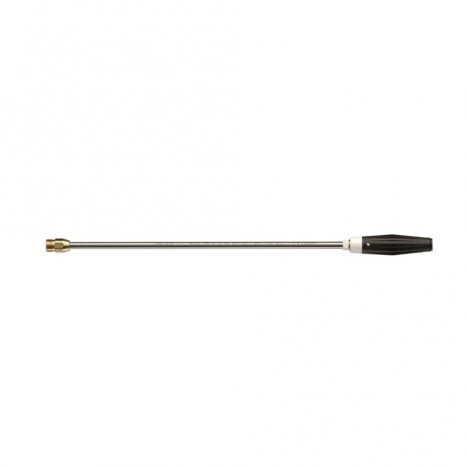
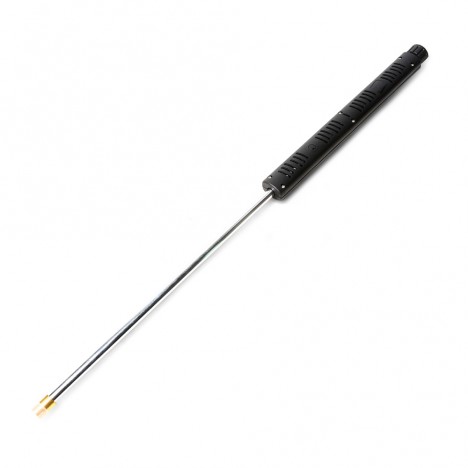
- 0-Degree Pinpoint Nozzle: Maximum power, spraying in a straight line like a laser. Ideal for heavy stains such as algae or stubborn cement residue on floors. However, use with caution, as it is powerful enough to strip car paint or gouge wooden floors.
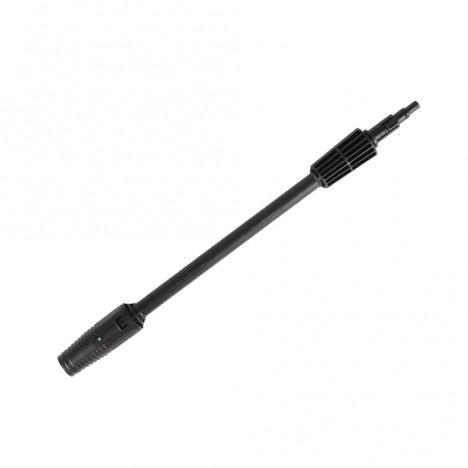
- 15–25 Degree Nozzles: The most versatile of all. Can be used for a wide range of tasks, including washing cars, cleaning home floors, or even walls. Perfect for anyone looking for a single do-it-all nozzle.
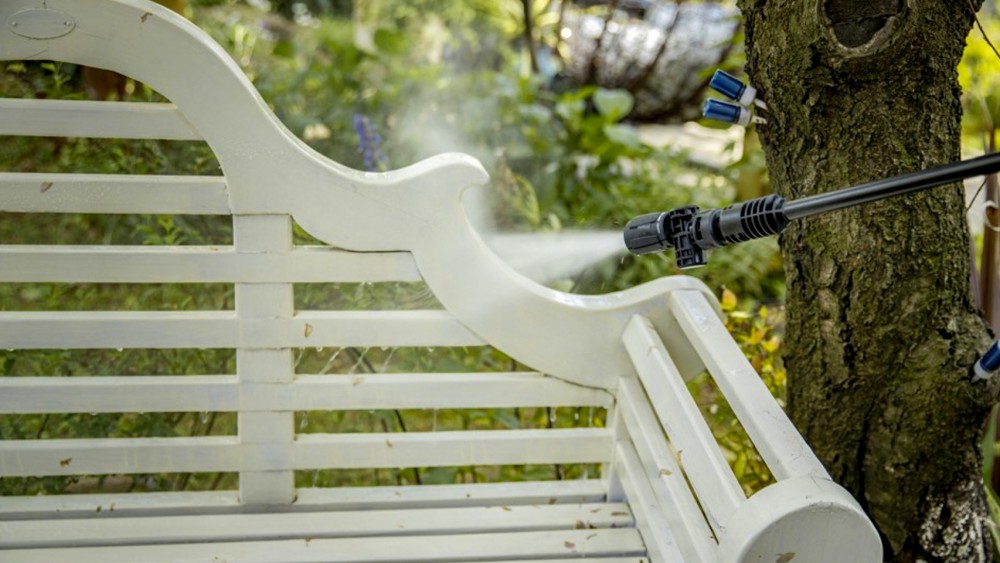
- 40-Degree Nozzle: Offers a wide spray pattern with gentler pressure. Ideal for delicate surfaces, such as cleaning wooden furniture, balconies, or freshly painted cars, without the fear of damaging the paint.
- Foam Nozzle: A must-have for clean freaks! Used to spray detergent into thick, clinging foam, making car or floor washing much more satisfying. It saves time and delivers professional, detail-shop results.
So how should you choose a high-pressure washer?
Focus primarily on the type of work you need done
Buying the highest pressure unit doesn't always mean it's better. Sometimes, seeing big numbers gives you confidence, but in reality, it might be excessive, unsuitable for the task, and could even damage your belongings. Therefore, before opening your wallet, ask yourself what you'll be washing most frequently: Washing cars? Cleaning floors? Or using it in a factory? Once your needs are clear, choosing the right pressure becomes easy—you won't overpay and you'll get something that truly matches your requirements.
Choose from trusted brands
Such as Karcher, Bosch, Makita, and DeWalt. These are household names that give you peace of mind for home use. If you need it for heavy-duty tasks like washing factory floors or running a car wash business, look for rugged brands like PUMA or Lavor, which are specifically designed for durability.
Check for after-sales service and spare parts availability
A high-pressure washer is just like any other electrical appliance; after extended use, parts may need replacing, whether it's a leaking nozzle, a brittle hose, or a clogged filter. Therefore, choose a brand with readily available spare parts so you don't have headaches when something breaks, allowing quick repairs without frustratingly long waits for overseas shipments.
Consider size and weight
For the elderly or general home users, it's best to choose a unit with wheels that is easy to move around. Sometimes you need to drag the machine from the front of the house to the backyard; if it's heavy or lacks wheels, it becomes a burden. Another factor is size: opt for a compact design that doesn't take up much space, making it convenient to use and easy to store—perfect for homes with limited storage or plenty of belongings.
Choose > High-Pressure Washers matching it to your tasks will help save money, electricity, and time—and most importantly, prevent inadvertent damage to your belongings.