


 EN
 ไทย


Customers Also Purchased
Some people might walk into a tool shop and immediately hesitate over which one to pick. Some machines look cool with built-in dust extraction and variable speed controls, while others are so cheap you wonder if they'll break easily. Especially for those who aren't professional tradespeople, it's remarkably easy to get overwhelmed.
Some might go in without any information at all, spot sanders that look identical but have a price difference in the thousands, and start wondering: Is the expensive one worth it? Will the cheap one do the job? Or others might see a heavily discounted tool and impulsively buy it, without even knowing whether it's suitable for their intended project or not.
Even worse, many who buy without thinking it through usually end up with a tool that doesn't fit the job. They use it a couple of times before stashing it away in a cabinet, or worse, it breaks before the project is even finished. By then, they have to spend money buying a replacement all over again, which altogether might end up costing more than buying a quality tool right from the start. That's why today, we're going to discuss what you should look for when choosing the right sander for your needs. I've summarized it into 7 key factors that, once you've read through, will give you a clearer understanding and allow you to make a well-informed decision.
How Many Types of Sanders Are There? Get to Know the Different Types Before Buying
Before we dive deep into the selection process, we should first understand how many types of sanders are currently on the market and how each one differs in use. Generally, they can be divided into 4 main categories favored by real users:
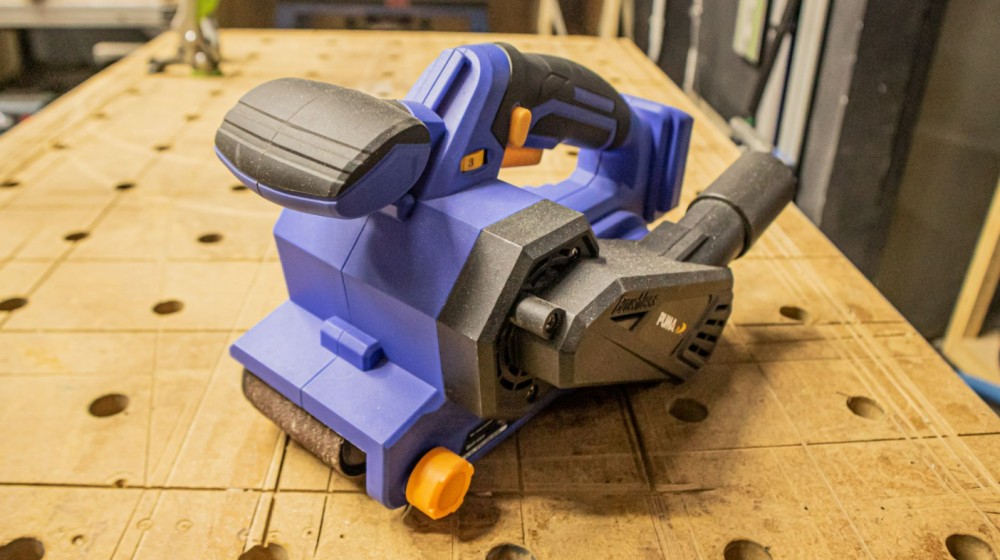
- Belt Sander – Ideal for heavy-duty sanding, rapidly stripping wood surfaces or old paint. High power, but requires good control as it removes material very quickly.
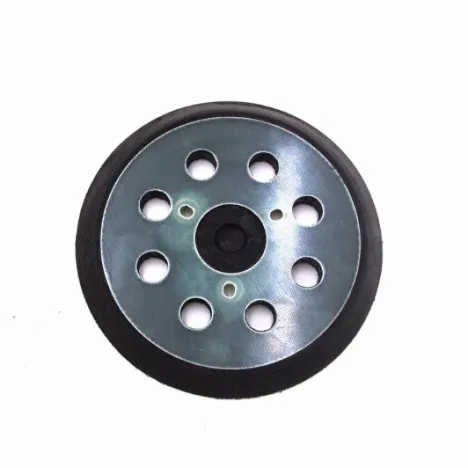
- Random Orbit Sander – Great for general-purpose sanding. Delivers a smooth finish without leaving swirl marks. Popular for furniture, DIY projects, and even metalwork.
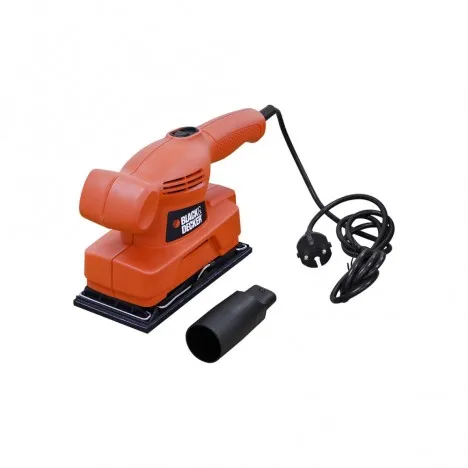
- Orbital Finishing Sander (Square Pad) – Best for achieving an ultra-smooth finish in the final stages. Can use standard sandpaper sheets, making it cost-effective.
- Detail Sander (Delta/Triangular Pad) – Used for sanding corners, tight spaces, and small areas that other sanders cannot reach. Perfect for intricate work like built-in furniture.
Each type has its own pros and cons. Understanding these types beforehand will help you choose the right sander for your job without wasting time or money.
Factor 1: Type of Work – Heavy-Duty, Fine Finishing, or Corners?
First of all, you need to ask yourself what materials and tasks you will be using the sander for, because no single sander is so versatile that it performs equally well on every job.
Large surface areas such as tables, wood slabs, doors
If you focus on sanding large areas to achieve a smooth surface, such as wood furniture or home renovation work, the most suitable tools are belt sanders or sheet/orbital sanders because of their large contact surface, allowing for fast sanding.
Detailed work with corners, edges, and grooves
In this case, you may need a detail sander (triangular head) because it can truly reach every nook and cranny, especially deep corners and wooden edges.
Ultra-smooth finish without swirl marks
If your work focuses on smoothness without swirl marks like sanding by hand in the wrong direction, choose a Random Orbit sander. This tool provides a smooth surface and leaves no swirl marks because it rotates in a non-repeating pattern.
In simple terms, know what you are sanding first. Ask yourself what kind of sanding job it is—rough or fine, wide surface or corners—and then choose the right type of sander.
Factor 2: Material surface to be sanded
Some might think, "Isn't it all the same sanding?" — That's incorrect, because each material has different hardness, roughness, and sensitivity to sanding pressure. Choosing the wrong type of machine can damage the surface or remove too much material.
If it is Wood
Softwoods, such as pine or rubberwood, should be sanded with a sander that is not overly aggressive, such as an orbital sander or a disc sander with fine-grit sandpaper, since the wood is already soft, easy to sand, and does not require too much force. For hardwoods like balau, makha, or large thick planks, using a belt sander is ideal because it provides continuous sanding power and removes surface material quickly, making it suitable for surface preparation before planing or painting.
If it is Metal
Metal requires more downforce because the surface is hard and not resilient like wood. Sanding metal therefore requires high-powered machines such as a belt sander or a high-speed random orbit sander to effectively remove rust, weld seams, or unevenness. To achieve quick results, slightly coarser sandpaper (such as 60–120 grit) should be used, which strips metal surfaces well, especially when preparing surfaces prior to painting or coating.
If it is Walls or Old Paint
If you want to strip paint or coatings, you can use a belt sander or random orbit sander because of their high continuous sanding power, which quickly removes old paint or finish layers. However, this generates a large amount of dust, especially on wood or old walls. Therefore, wear a dust mask with a filter, and use it in a well-ventilated area or with a dust extractor to vacuum up dust during sanding to reduce airborne dust accumulation and protect user health.
So don't rush into buying until you know what material you are working with, because proper suitability affects both the quality of your work and the lifespan of the tool.
Factor 3: Desired Level of Fineness or Coarseness
Each type of sander yields different results regarding the fineness of the work due to different sanding actions. Some provide fast, continuous sanding power and cut deep, making them suitable for rough work. Others offer gentler sanding that is easier to control, ideal for fine surface finishing.
In addition, the fineness of the work does not depend on the sander alone, but also includes operational techniques such as progressing through sandpaper grits in the correct sequence or sanding evenly without pressing too hard. Therefore, select a sander that matches the nature of the job, and then choose corresponding sandpaper and techniques to achieve the best results.
Rough work – fast sanding, material removal
Requires a machine with high sanding power, such as a belt sander or a high-speed orbital sander, to quickly strip surfaces, remove old paint, or sand rough, unplaned wood.
Fine work – Finishing, preparing surfaces for painting
Using a sheet sander or random orbital sander provides good results without being overly aggressive and delivers a smooth finish, ideal for prep work before applying paint or lacquer.
Always keep in mind: high sanding power isn't always better. For some jobs, using a machine that's too powerful can ruin your work completely!
Factor 4: User familiarity and skill level
Many people overlook this, but it's very important! Some sanders are so powerful that they are hard for beginners to control, while others require precise rhythm and pressure. Applying too much force can gouge into the material or cause uneven sanding marks—especially with woodwork or furniture requiring an ultra-smooth finish, extra caution is needed.
Sanders designed to be beginner-friendly, such as orbital or square sheet sanders, often feature vibration control systems and stable body designs that allow continuous use without excessive hand fatigue. They are well-suited for users without much experience or those who need to work continuously for several hours.
- Beginners: Recommended to start with a Random Orbital or Finishing Sander, which are easier to control.
- Professionals: Can use any type depending on preference and task, but some choose to alternate between multiple tools by step—such as starting with a belt sander, moving to a random orbital sander, and finishing with a small sheet sander.
Additionally, some sander models are quite heavy. If used for extended periods without proper physical preparation, they can easily cause hand fatigue and wrist pain!
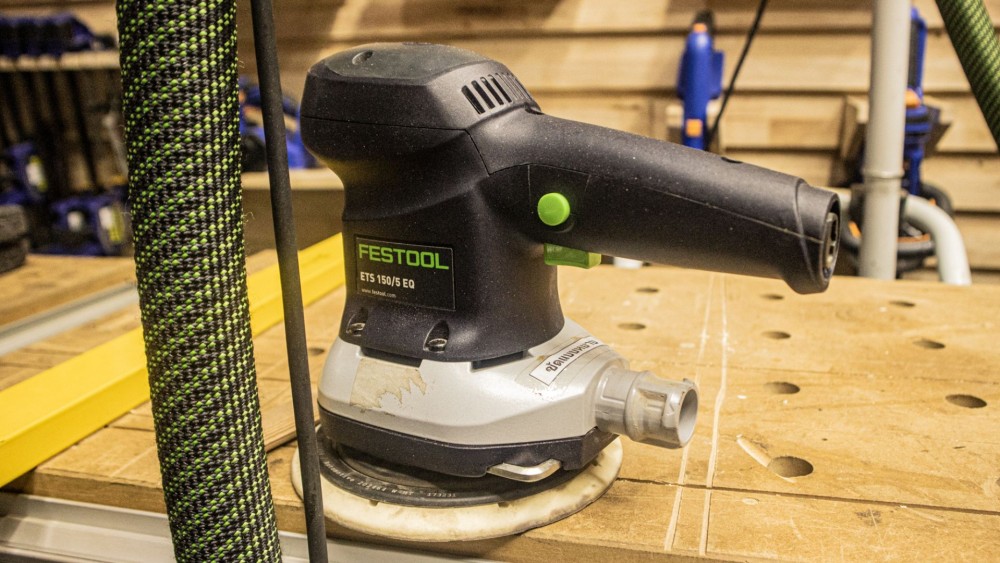
Factor 5: Dust collection system (more important than you think!)
Don't overlook this! Sanding dust can sometimes be so thick it suffocates you, not to mention making the workspace a complete mess. Mid-range sanders and above often come with an attached dust bag at the rear to help reduce airborne dust to some extent, making them suitable for indoor or room work.
Connecting to a vacuum cleaner
Many pro-grade tools feature a dust extraction port (Vacuum Port) that vacuums dust directly off the sanding sheet in real-time—no mess, no dust haze, and no need for repeated sweeping.
Honestly, anyone who has used a sander without dust collection will understand what a nightmare it is—both coughing and sneezing! Plus, it clogs up the sandpaper much faster.
Factor 6: Ease of changing sandpaper
This may seem minor, but during actual use, you'll realize it is crucial. Some jobs require changing grits multiple times; if it's difficult to swap, it will waste a lot of time and test your patience.
Lever clamp system
Commonly used on standard square sheet sanders; requires clamping the sandpaper with metal clips. It may be slower, but sandpaper sheets are easy to find.
Hook and loop system (Velcro)
Fast and easy: just peel off and stick on, ready to use. Perfect for those who need to change sandpaper frequently.
If you use the machine often or work in multiple stages, such as progressing from coarse to fine grit, I recommend going straight for hook-and-loop. It will save you hours.
Factor 7: Budget and Long-term Value
Last but not least is the budget (you really can't avoid it!). Sanders range from a few thousand to tens of thousands of baht, depending on brand, system, motor, and materials.
For heavy or professional use
Invest in quality brands like Makita, Bosch, DeWalt, or Festool. Beyond having great power, they are durable, don't require frequent repairs, and have easily available spare parts.
For occasional or home use
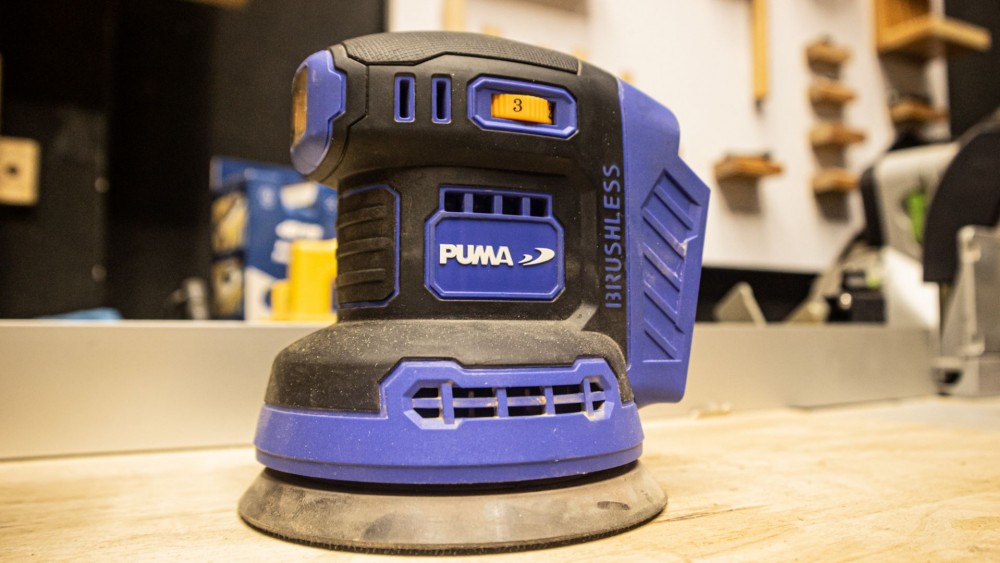
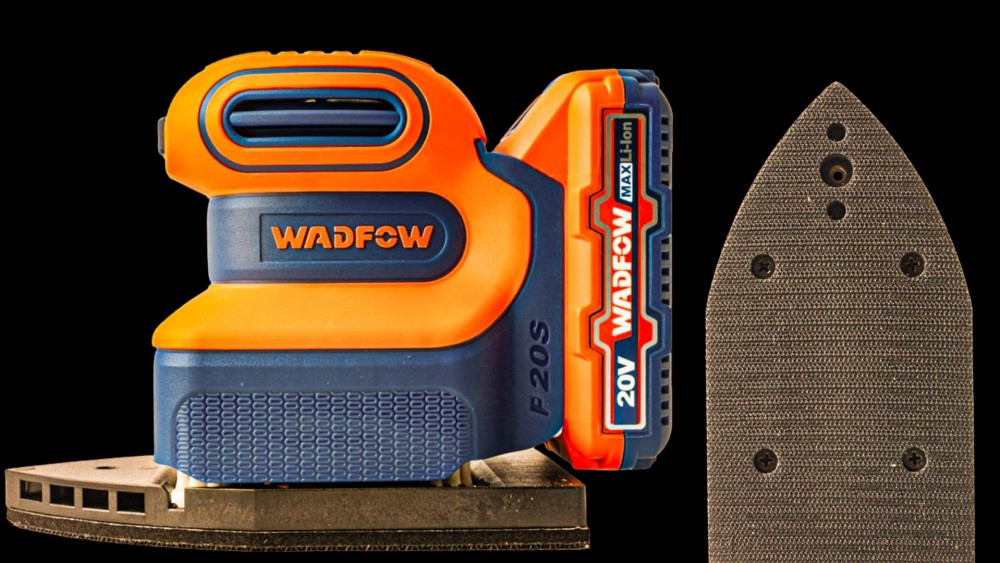
Opting for mid-range brands like Stanley, Puma, or Wadfow will do the job without blowing your budget unnecessarily.
Remember that the cheapest option isn't always the most cost-effective, as some models may require early replacement of spare parts or suffer motor burnout in no time. So, factor in long-term use.
Conclusion
Choosing the right sander for your work requires thinking on multiple levels—it's not just about power or price. It includes how you work, whether the space is tight, how long you sand, and if there's heavy dust. A cool-looking sander might not be right for your task, and an overly powerful one can accidentally ruin your work.
A proper choice should consider all angles: application type, frequency, available budget, and long-term convenience. The sander that truly fits your needs will save you time, effort, and money.
If you're still hesitant about which Sander type to choose, start with your specific task and then evaluate each factor step by step. You're guaranteed to get the right tool!