


 EN
 ไทย


Customers Also Purchased
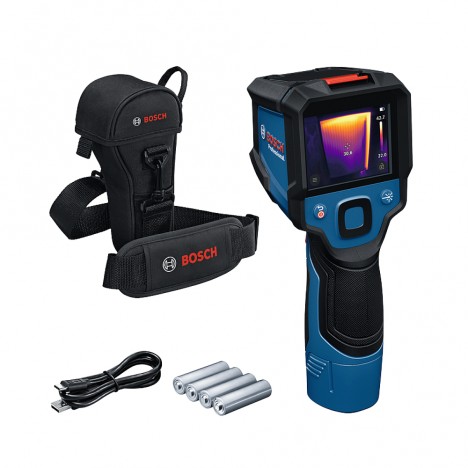
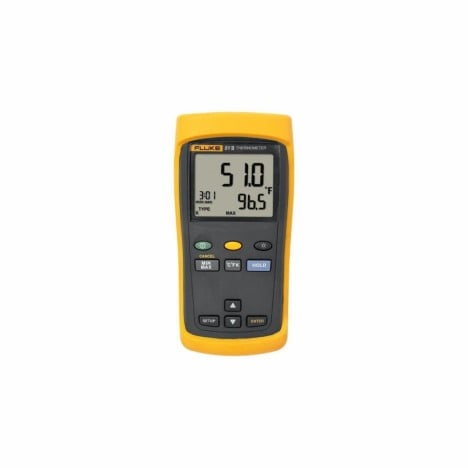


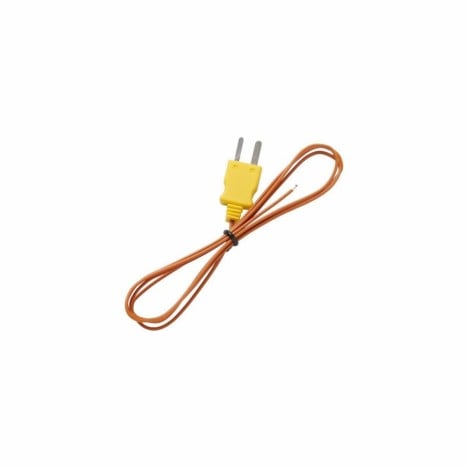
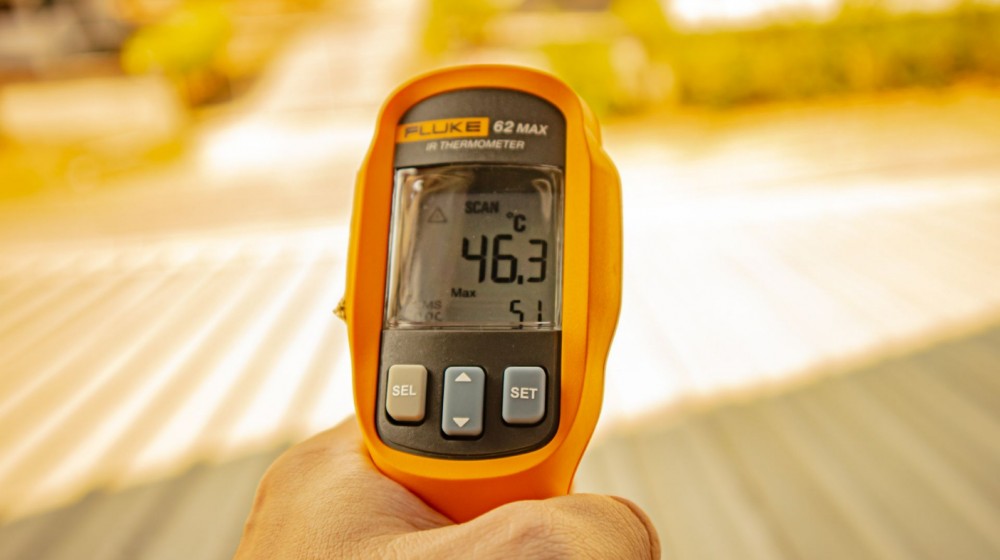
However, although non-contact thermometers seem easy to use, a lack of proper understanding regarding their operation can lead to inaccurate measurements that result in damage—whether in terms of product quality, workplace safety, or even medical diagnosis. A proper understanding of how to correctly use thermometers is therefore essential. In this article, we will delve into 6 key precautions when using non-contact thermometers to help users operate them as correctly and accurately as possible.
1. Beware of improper measurement angles and distances
Non-contact thermometers offer the advantage of measuring temperature without touching the object, making them suitable for hard-to-reach or potentially hazardous areas. However, this convenience also comes with certain limitations, particularly regarding measurement distance and angle. If users do not understand or use them incorrectly, readings from the thermometer may deviate significantly from the true value, potentially impacting analysis or decision-making in industrial or medical sectors.
Measurement distance affects accuracy
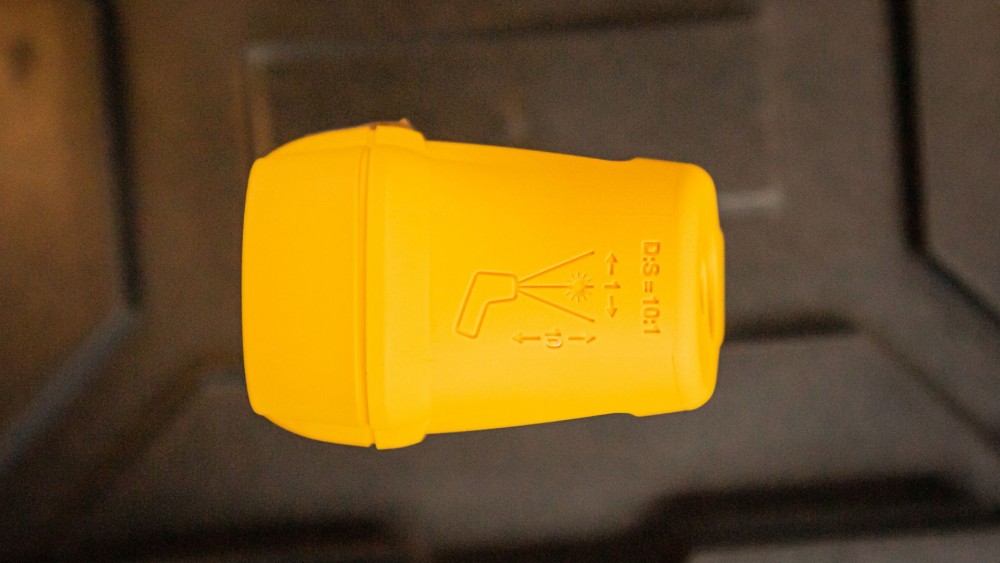
Each non-contact thermometer model is designed with a specific distance-to-spot ratio (D:S). For example, a 10:1 ratio means that when measuring from a distance of 10 units, the device reads data from an area approximately 1 unit wide. If you measure from too far away without matching the device's D:S ratio, the resulting reading may not reflect the actual temperature of the target.
Align the angle precisely with the target spot
Adjusting the angle of the thermometer's sensor head is a crucial factor in non-contact thermometry. If the device is tilted away from the perpendicular axis or not aimed directly at the intended measurement spot, the sensor may capture radiation from surrounding areas or irrelevant backgrounds, resulting in inaccurate and unreliable readings. For maximum measurement accuracy, users should keep the following points in mind:
- Position the sensor head as close to perpendicular to the target surface as possible.
- Avoid measuring at a tilted or oblique angle, especially on uneven or curved surfaces.
- If measuring a curved surface is unavoidable, try taking measurements from multiple angles and averaging the values for better reliability.
- Inspect the area surrounding the target object to ensure there are no reflections or other objects that might interfere with infrared radiation reception.
- For users of advanced thermometer models, enable the automatic angle-processing function if available.
2. Beware of emissivity mismatch with the target surface
Understanding the surface characteristics of the target object is the core of using non-contact thermometers. This type of thermometer relies on infrared radiation energy emitted from the object's surface, which is interpreted based on a value known as "Emissivity." If users do not understand what this value is or fail to set it to match the actual object's characteristics, the displayed reading can be so distorted that it cannot be used as a reference at all, especially when used on glossy or highly reflective objects such as polished metals, which have very low emissivity.
Emissivity affects the conversion of radiation into temperature
Emissivity in temperature calculation represents the ability of an object's surface to emit infrared radiation. Different objects, such as polished metals, coated surfaces, rough surfaces, plastics, or rubber, have different emissivity values. If set incorrectly, the thermometer may misinterpret the infrared energy, leading to significant measurement errors.
Emissivity should be adjusted appropriately for each object
High-quality thermometers often feature an adjustable emissivity setting. Users should consult the user manual or reference sources, such as emissivity tables for various materials, to set the value accurately.
3. Be cautious when using in areas with dust, smoke, or steam
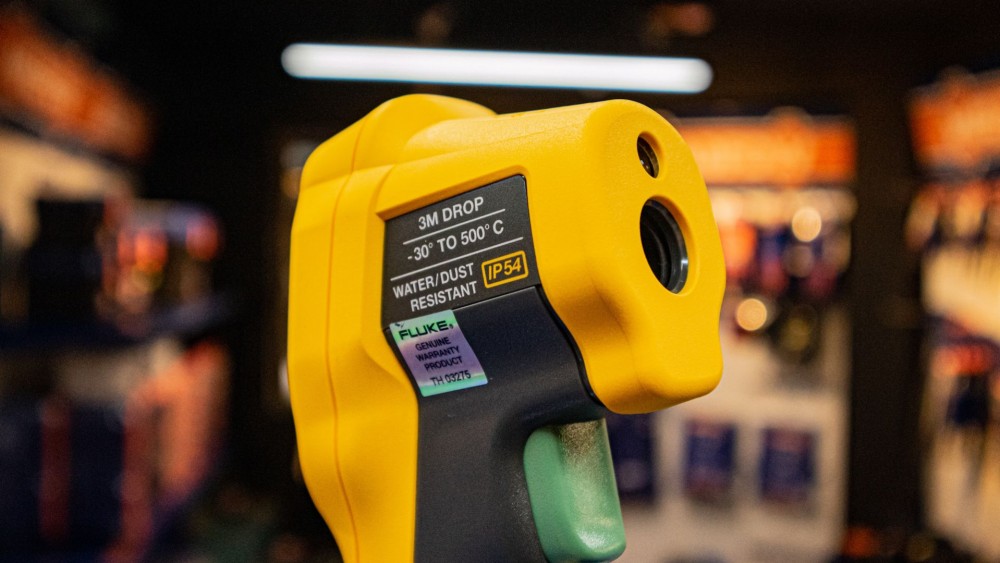
Areas with dust, smoke, or steam are commonly found in industrial plants, commercial kitchens, and certain outdoor environments. These conditions, which may seem normal, significantly impact the accuracy of non-contact thermometers because the infrared radiation used for temperature detection can be disrupted by tiny airborne particles, causing the readings to not reflect the actual temperature of the target object.
Understanding the limitations of using thermometers in air-polluted areas is therefore essential for planning measurements and properly positioning the thermometer during use.
Unclear air = Measurement errors
Infrared radiation can be absorbed or refracted by airborne particles such as dust, steam, or smoke. If these obstacles exist between the thermometer and the target object, the amount of radiation reaching the sensor will be reduced, resulting in readings that are lower than actual values. This issue frequently occurs in highly polluted environments or poorly ventilated areas, such as:
- Factories involving welding or metal melting
- Commercial kitchens with steam and cooking smoke
- Outdoor areas with significant amounts of airborne dust
- Extremely humid weather with fog or water droplets in the air
Users should check the environmental conditions before starting each measurement to avoid interference from these factors. If necessary, use a thermometer equipped with specialized lenses or optical filters capable of resisting the effects of such pollution.
Avoid highly polluted areas during measurement
If measuring temperature in areas with dust, smoke, or steam is unavoidable, reducing the distance between the sensor and the target object as much as possible is an effective way to minimize the impact of airborne particles. This approach is also suitable for measuring spots with rapid temperature changes, as it helps provide more accurate and stable readings.
4. Beware of abnormally high or low background temperatures
One factor that non-contact thermometer users often overlook is the background temperature in the measurement area. Even if the device is aimed precisely at the target, if there are heat or cold sources nearby, infrared energy from the background can directly affect the value detected by the sensor. Overlooking this factor can lead to distorted readings, particularly when measuring very small spots or when the background has a significantly different temperature from the target object.
Background affects infrared radiation reception
Non-contact thermometers cannot distinguish the exact sources of incoming infrared radiation. If the background is extremely hot or cold, radiation from the background can interfere and distort the displayed reading.
Use a shield or aim at an angle free from background interference
Find a screen or backdrop with a stable, neutral temperature that does not reflect infrared radiation, or aim the thermometer to avoid picking up excessive radiation from the background.
5. The temperature of the device itself can affect measurements
Although the purpose of using a non-contact thermometer is to measure the heat of other objects without direct contact, one factor that should not be overlooked is the temperature of the device itself, which directly impacts the readings. This is especially true when the thermometer is rapidly moved from one environment to another with a significantly different temperature, such as moving from an air-conditioned room to an outdoor area with intense sunlight. Such rapid temperature shifts can prevent the internal sensor from adapting in time, leading to inaccurate and unstable readings.
The device itself must also be within an appropriate temperature range
Many may not realize that thermometers themselves have an optimal operating temperature range. Moving the device from an extremely cold place to measure in an extremely hot environment immediately (or vice versa) can yield inaccurate readings because the internal components have not yet reached thermal equilibrium with the surroundings.
Stabilize the device's temperature before measuring
Leave the thermometer in the same environment as the measurement point for at least 15-30 minutes so that its internal components can adjust to the ambient temperature before actual use.
6. Do not forget to calibrate the thermometer periodically
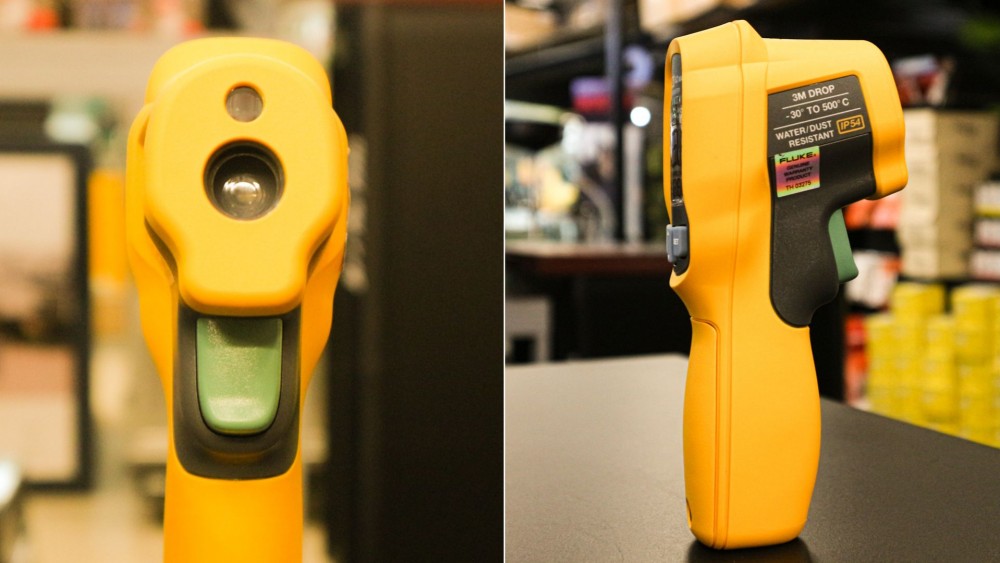
Even though non-contact thermometers are designed for convenience and ready-to-use operation at any time, in reality, these instruments still require proper care and maintenance. In particular, calibration is crucial for maintaining measurement accuracy. Neglecting calibration or using the tool without ever calibrating it can lead to unnoticed measurement drift, compromising the reliability of quality control processes or diagnostics that depend on accurate temperature data.
The thermometer must be calibrated regularly
Using a non-contact thermometer continuously over an extended period without calibration can cause measurement errors to accumulate gradually without the user noticing.
Calibrate every 6–12 months depending on usage
Send the device for inspection at an accredited laboratory, or verify it against a known temperature reference, such as the freezing point or boiling point of water, to ensure the infrared thermometer continues to deliver accurate readings.
Conclusion
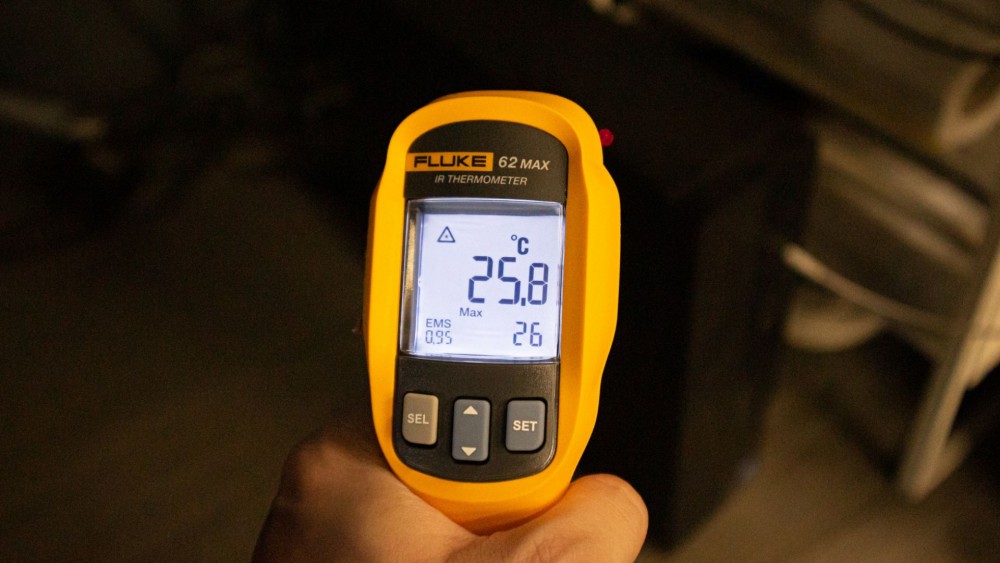
Achieving accurate results with a non-contact thermometer is not just about pressing a button and reading the display. It requires an understanding of how the device works, the surface properties of the target object, the operating environment, and proper calibration. Although these thermometers are easy to use, they are susceptible to various environmental factors that can inadvertently cause displayed readings to deviate from the truth.
Being mindful of the precautions mentioned above serves as a fundamental guideline to help you avoid common mistakes—whether regarding measurement angle and distance, emissivity, target surface, air pollution, background temperature, device temperature, or regular calibration. Every single factor plays a role in measurement accuracy.
Once you thoroughly understand these aspects and apply them in practice—whether in industrial applications requiring strict quality control, research demanding reliable data, or everyday healthcare— you will be able to use Moisture Meter non-contact thermometers with confidence and efficiency, genuinely minimizing the risks of making decisions based on inaccurate data.