


 EN
 ไทย


Customers Also Purchased
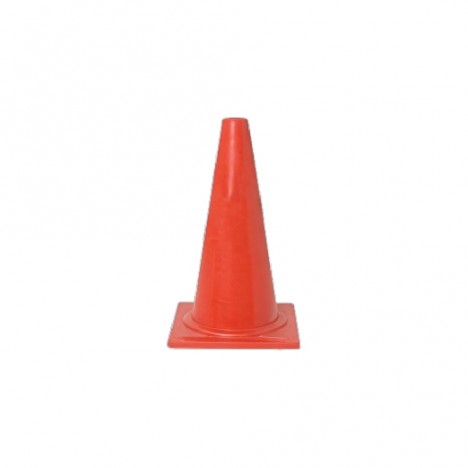
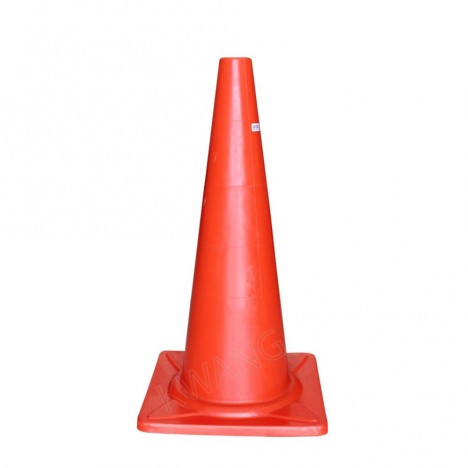
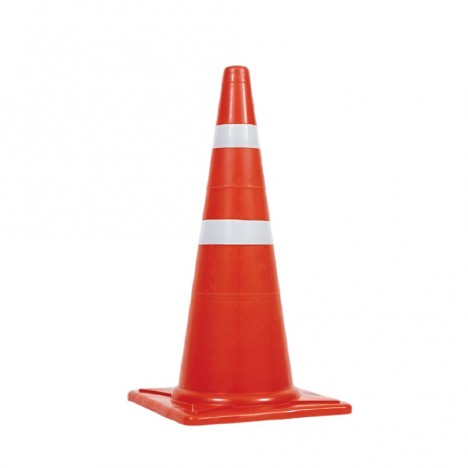
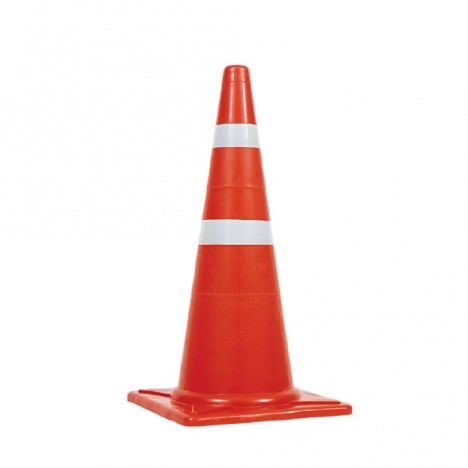
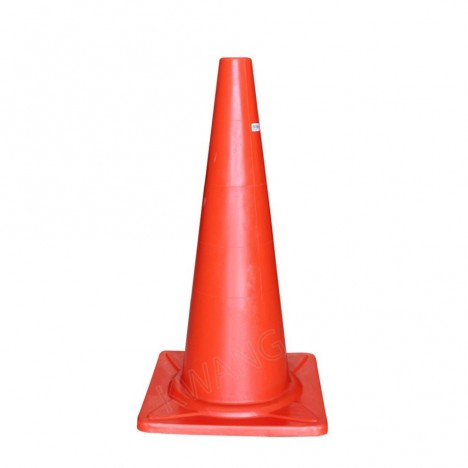
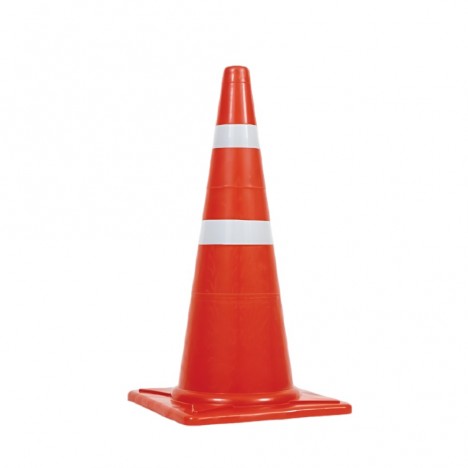
On the road, or even in the parking lots we use every day, you may have seen rows of traffic cones without realizing that… in reality, these cones come in various sizes, each specifically designed for different situations. This article will walk you through the different "traffic cone sizes," explaining how to choose the safest, most suitable, and most cost-effective option for your needs. If you are a business owner, contractor, or responsible for safety management, this is a guide you won't want to miss!
Why Does "Traffic Cone Size" Matter?
Many people think any traffic cone size will do, as long as it's bright orange with reflective strips. In reality, the "size of the cone" directly affects Safety and Visibility for road users. Especially in high-speed zones, low-light conditions, or temporary obstruction areas, choosing the right cone size helps drivers slow down or change lanes in time, significantly reducing the chance of accidents.
What Are the Benefits of Traffic Cones?
Traffic cones aren't just meant to block the road; they play a crucial role in safety, traffic control, and hazard communication. Especially during emergencies or in areas requiring temporary organization—such as construction zones, road repairs, or events—properly placed traffic cones help minimize accident risks and increase confidence for road users.
- Warning of Hazardous Areas: Helps road users become aware of hazards ahead, such as excavation work, flooding, or accident scenes. It serves as a simple yet effective preventive warning.
- Route organization: Used to clearly divide traffic lanes or guide the movement direction of vehicles and pedestrians, such as in front of schools, department stores, or temporary service points.
- Ad-hoc area cordoning: When it is necessary to prevent vehicles or pedestrians from entering an area, such as for road repairs, checkpoints, or cleaning operations, traffic cones help clearly demarcate boundaries without requiring permanent fixtures.
- Creating clear visual landmarks: With bright orange color and reflective stripes, traffic cones are visible from a long distance, even at night or in low-light conditions, helping drivers prepare in advance and avoid hazards.
- Used in sports and training activities: Small traffic cones are often used on sports fields, in schools, or during training drills to mark routes and movement positions—such as for turning or obstacle avoidance drills—improving the precision and skills of trainees.
With these versatile features, traffic cones are not just basic equipment, but tools that help "communicate" safety clearly and accessibly. Choose the right cone size, type, and material to match the job for maximum effectiveness in each situation.

How many sizes of traffic cones are there?
Traffic cones used in Thailand can be categorized into 3 main size groups, each serving specific purposes tailored to the area's characteristics, traffic conditions, and required safety level. A common misconception is that "any size works the same," but in reality, traffic cone sizes are designed based on traffic engineering principles to suit specific environments and minimize transit hazards.
1. Traffic cones up to 50 cm
- Suitable for: Sidewalks, indoor parking lots, multipurpose courts, or areas with low vehicular traffic.
- Highlights: Compact, lightweight, and easy to move. Ideal for tasks requiring high mobility, such as events or temporary service setups in tight spaces.
- Cautions: Not clearly visible from long distances, especially at night or on roads with large vehicles traveling at high speeds. Improper placement can pose safety risks.
2. Traffic cones 70–80 cm
- Suitable for: Urban road traffic management, outdoor parking lots, pathways within construction sites, or locations with moderate to heavy traffic.
- Highlights: The standard size most commonly seen, offering a good balance between visibility and ease of storage. Perfect for users who need to relocate cones frequently.
- Recommendation: Choose models with at least 2 reflective stripes and a reinforced rubber base for extra stability if used in windy areas or where vehicles pass at high speeds.
3. Traffic cones 100 cm and larger
- Suitable for: Highways, expressways, or areas within industrial estates with trucks, buses, or high-speed vehicles.
- Key Highlights: Provides high stability, clearly visible from long distances, suitable for jobs requiring maximum safety and continuous long-term use, such as expressway road resurfacing areas or permanent traffic diversions in hazardous zones.
Choosing the Wrong Size = Safety Risks For example, placing small cones on a highway may prevent drivers from spotting them in time or lead them to mistake them for dropped debris, potentially causing accidents. Appropriate cones make warning signals effective and truly reduce confusion on the road.
What should you consider to choose the right traffic cone?
Choosing the right traffic cone isn't just about picking the right size or an attractive color; it requires considering various factors related to on-site conditions, regional risks, and safety standards. Selecting the wrong type can impair the cone's warning effectiveness and lead to property damage or loss of life.
- Consider the application site: Indoors or outdoors? If indoors, such as an indoor parking lot, a small cone may be sufficient. But if used outdoors where it faces strong winds or rain, you should use cones with reinforced rubber bases to prevent tipping over easily. In addition, consider the frequency of use, such as temporary vs. permanent tasks.
- Consider the size of passing vehicles: If the area only accommodates bicycles or personal cars, medium-sized cones may be sufficient. However, for construction zones with trucks or trailers entering and exiting, cones of 100 cm or larger should be used so they are visible from the eye level of large vehicle drivers, providing clear visibility for heavy-duty traffic flow.
- Choose durable materials + stable bases: Cones used outdoors should be made from PE or PVC materials that withstand sun and rain and return to shape when tipped over. Moreover, the base should be rubber or weighted to keep the cone from blowing away or tipping over when high-speed vehicles drive past or in strong winds.
- Check the reflective sheeting: If used at night or in underground parking lots, it is vital to choose cones with high-quality reflective sheeting that meets TIS standards and is positioned at the driver's eye level for clear visibility under all lighting conditions, reducing the chance of accidents.

Traffic cone materials you should know before buying
Not all traffic cones are made of the same material, and the manufacturing material directly affects durability, service life, and recovery capability after impact, such as being run over by cars. Different materials also suit different applications, such as outdoor, nighttime, or high-humidity environments. Commonly used materials include:
- PVC (Polyvinyl Chloride): The most common material, featuring high flexibility, light weight, and the ability to regain shape when crushed. Suitable for general use in parking lots, temporary areas, or indoors. Its advantages are low cost and easy maintenance, but it is not suited for long-term outdoor use as it degrades quickly under intense sunlight.
- PE (Polyethylene): Sturdier than PVC with superior weather resistance. Suitable for outdoor use or areas subjected to strong winds, rain, or harsh sunlight. It has a longer lifespan than ordinary plastics and resists cracking and UV discoloration.
- Rubber Base: A material commonly used for cone bases to add weight and stability, keeping the cone firmly in place even in high-wind conditions or around high-speed traffic. Additionally, rubber bases help prevent tipping and sliding, making them ideal for main roads, highways, or open outdoor areas.
Choosing the material of a traffic cone should not be overlooked, as it determines performance, safety, and long-term cost-effectiveness.
How do reflective collars affect safety?
Reflective collars are a vital component that enables traffic cones to effectively perform their "warning" function, especially at night or in low-light areas such as underground parking lots or dawn construction zones. Light from vehicle headlights reflects off these collars, making the cones visible from a long distance and giving drivers enough time to decide to brake or change lanes safely.
- Cones taller than 70 cm should have at least 2 reflective collars to increase prominence at the driver's eye level.
- The collar width should be 10–15 cm, a size that is clearly visible and does not blend into the cone's base color.
- The collar position should be approximately 7.5–10 cm from the cone's tip, with appropriate spacing between collars to create multiple reflection points.
- You should choose reflective collars that meet TIS standards or other reliable industrial standards to ensure that the reflection is sharp, does not fade quickly, and can withstand various weather conditions.

Neglecting the quality of reflective collars can render traffic cones "ineffective" at warning, unknowingly creating an accident risk—especially in active traffic areas lacking sufficient lighting.
How to choose traffic cones for the highest safety and value?
If you want a traffic cone that delivers safety, reliability, and long-term value, be sure to consider all 3 key factors: size, material, and reflective collar, so your chosen cone performs reliably in any situation.