


 EN
 ไทย



Customers Also Purchased
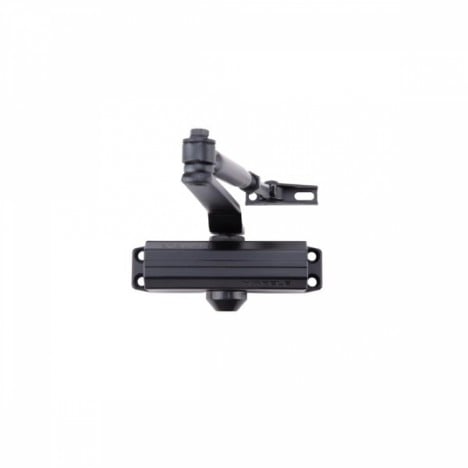
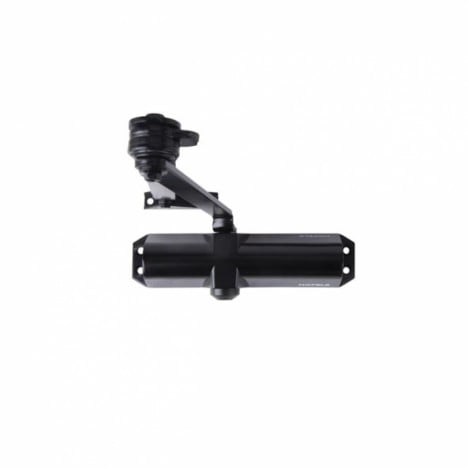
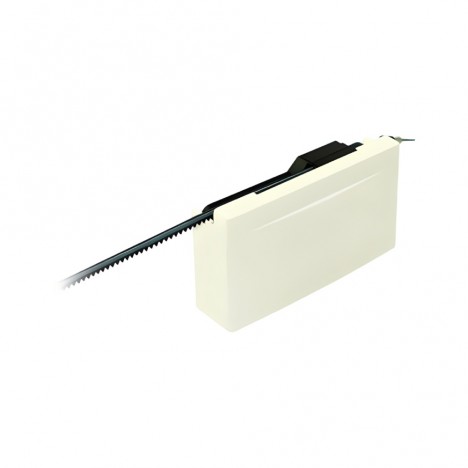
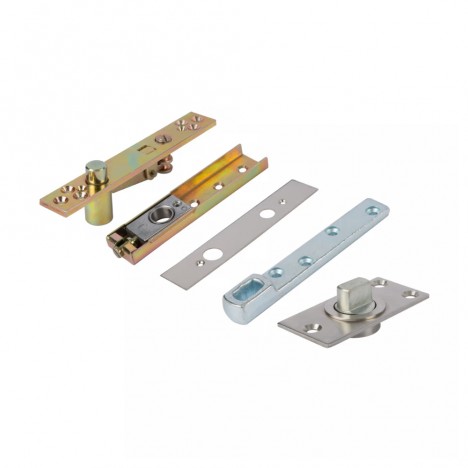
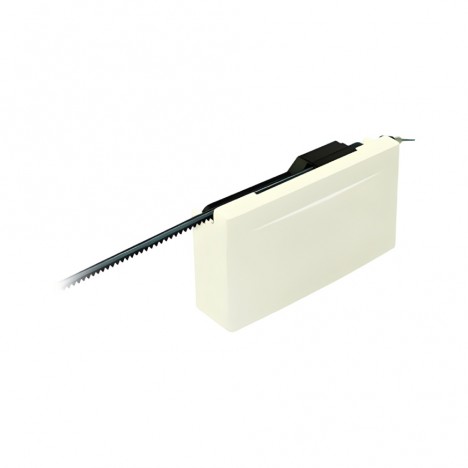
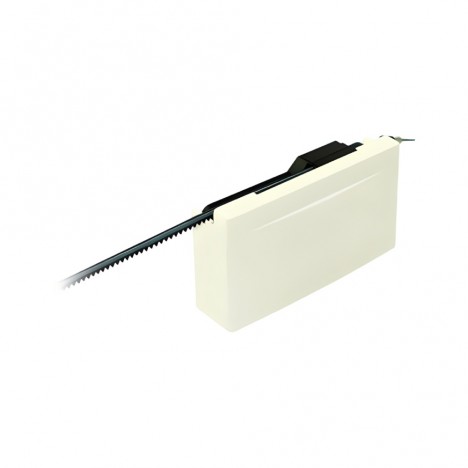
Technology Door Closers A door closer plays a vital role in ensuring smooth, controlled door opening and closing, reducing noise, preventing damage to the door and building, and enhancing operational safety. Generally, the two popular door closer systems used today are: Hydraulic Door Closer and Pneumatic Door Closer In this article, we take an in-depth look at the operating principles, advantages, limitations, and selection factors for both types so you can make the best-informed decision.
1. Overview of Door Closer Technology
Door Closer It is a device installed on a door or door frame that controls the movement speed of the door to prevent it from opening or closing too violently. It helps reduce impact and noise, as well as protects doors and buildings from damage. Furthermore, it is a component that enhances safety for users, especially in buildings with many doors or continuous usage.
2. Hydraulic Door Closer
2.1 Working Principle
Hydraulic door closers work by using fluid (hydraulic oil) in a cylinder as a medium to absorb and dissipate force. When the door is opened or closed, the oil in the cylinder moves through specially designed channels or valves to regulate flow, allowing precise adjustment of the opening and closing "speed" and "resistance".
2.2 Advantages
- High accuracy: Opening and closing speeds can be finely tuned, making it suitable for large or heavy doors.
- Stability and Durability: When properly maintained, hydraulic oil effectively reduces wear on internal parts, ensuring a long service life.
- Excellent Shock Absorption: The use of fluid effectively distributes force, reducing vibration and impact, making it ideal for areas requiring strict noise and force control.
2.3 Limitations and Considerations
- Complex Installation: Must be installed correctly and properly aligned, which may require a professional.
- Maintenance Costs: The level and condition of the hydraulic oil must be checked periodically. If oil leaks or deteriorates in quality, performance will decrease.
- Temperature Sensitivity: The viscosity of the oil can change with temperature fluctuations, which may cause minor deviations in speed or resistance settings.

3. Pneumatic Door Closer
3.1 Working Principle
Pneumatic door closers use air compression within a cylinder. When the door is opened, air is compressed and then gradually released, creating resistance to control the closing and opening speed of the door. This system typically relies on the internal design of the cylinder and valves to regulate the volume and flow of air.
3.2 Advantages of Pneumatic Systems
- Simple structure: Uncomplicated components make installation and maintenance easy.
- Lower initial cost: Equipment prices and installation costs are generally more economical compared to hydraulic systems.
- Lightweight: Suitable for medium or lightweight doors without putting excessive structural load on the door panel or frame.
3.3 Limitations and Considerations
- Limited adjustability: Although pneumatic systems respond quickly, resistance and speed cannot be fine-tuned as precisely as with hydraulic systems.
- Environmental stability: Temperature and humidity can affect air pressure and compression, causing inconsistent operation in some cases.
- Not suitable for very heavy loads: Large doors or those subjected to high impact may prevent pneumatic systems from operating at full efficiency.

4. Factors to Consider
1. Door Characteristics
- Door weight: Heavy doors should use hydraulic closers, as they handle impact and loads better.
- Size and frequency of use: If the door is opened and closed frequently, a high-durability system may be a better fit.
2. Environment
- Temperature: Under severe temperature fluctuations, changes in oil viscosity or air pressure may affect performance
- Humidity and dust: Consider how well the equipment resists corrosion or environmental contamination
3. Budget
- Initial cost: Hydraulic systems are typically more expensive
- Long-term maintenance costs: For long-term use in heavy-duty environments, hydraulic systems may be more expensive initially but can be more cost-effective in terms of durability
4. Ease of installation and maintenance
- If speed and simplicity are required, a pneumatic system may be more suitable
- If technicians or specialists are readily available to inspect and service the system periodically, a hydraulic system is also a good choice
5. Specific requirements or regulations
- Certain types of buildings (such as hospitals, elderly care centers, or high-rise office buildings) may have special door system requirements for safety and building codes

5. Additional Recommendations
- Field testing: For large-scale projects or complex designs, a sample installation should be tested to evaluate suitability in real-world conditions
- Consult a specialist: Consulting with engineers or door and frame specialists will help in understanding technical details and choosing the right equipment more easily
- Evaluate long-term cost-effectiveness: Although hydraulic systems have a higher initial cost, investing in a durable and precise system can be worthwhile if the building experiences continuous, heavy door traffic
- Keep up with new technology: Products are constantly being developed to enhance both hydraulic and pneumatic performance, whether through reducing leakage or simplifying adjustments. Staying informed may provide opportunities to find better-fitting products at competitive prices
6. Conclusion
Selecting the application Door Closers Hydraulic type or Pneumatic It depends on several factors, including budget, door type and weight, frequency of use, environmental conditions, as well as building standards and regulations. Overall:
- Hydraulic
- Excels in precision and adjustability
- High shock absorption, suitable for heavy doors
- Higher cost and maintenance
- Pneumatic
- Simple structure, easy to install
- Suitable for light or medium-weight doors
- Affordable price and uncomplicated maintenance
Overall, the Hydraulic system is often the choice for projects that prioritize long-term stability and safety, while the Pneumatic system is suitable for general applications that do not require high precision or need cost-effective budget control.