


 EN
 ไทย



Customers Also Purchased


1. Conductive Metal Materials
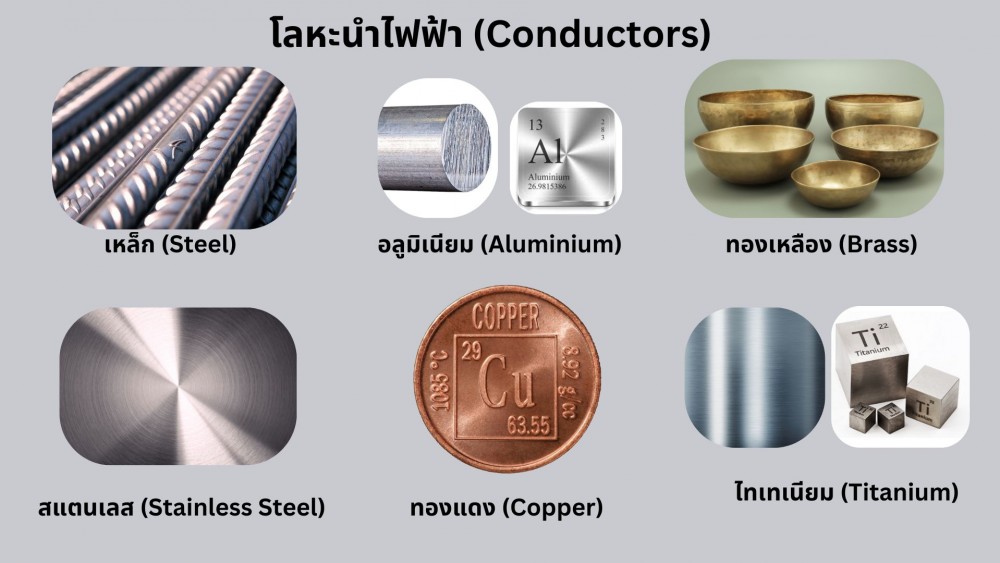
- Steel: Steel, carbon steel, and coated steels such as rust-resistant coated steel. Suitable for structural work, maintenance, and general fabrication.
- Stainless Steel: Used in applications requiring strength and corrosion resistance, such as kitchen equipment, the food industry, and decorative work. Delivers clean, smooth cuts.
- Aluminium: Popular in the automotive, aerospace, and light structural industries. Cutting aluminium with plasma offers high precision on both thin and thick workpieces.
- Copper: A metal with high electrical conductivity, used in electrical systems and decorative work. Plasma cutters can cut copper excellently even at high thicknesses.
- Brass: Suitable for decorative work, artwork, and specialized industries, such as manufacturing equipment that requires both aesthetics and durability.
- Titanium: A lightweight yet highly durable metal, used in the aerospace and medical industries, as well as applications requiring specialized properties such as corrosion resistance.
2. Alloy Metals
Plasma cutters can cut alloy metals composed of various materials effectively because alloys typically consist of multiple conductive metals—such as stainless steel containing iron and chromium, or aluminum alloys strengthened with other elements like magnesium. The electrical conductivity of alloy metals allows the plasma generated by the electric arc to flow through efficiently, resulting in smooth and precise cut edges. Furthermore, the high-temperature plasma process can easily melt and pierce through the various components of alloys, particularly materials with complex structures used in the aerospace and automotive industries that demand both high strength and lightweight properties. In addition, some alloys possess corrosion-resistant or high-heat-resistant qualities, allowing plasma cutters to operate effectively without causing excessive damage to the material. These advantages make plasma cutters the preferred choice for high-precision applications involving a wide variety of materials across diverse industries, such as:
- Stainless steel and aluminum alloys, popular in the automotive industry and the manufacturing of tools requiring high strength and light weight.
- Specialized alloys in the medical, electronics, and aerospace industries that require high precision and unique properties.
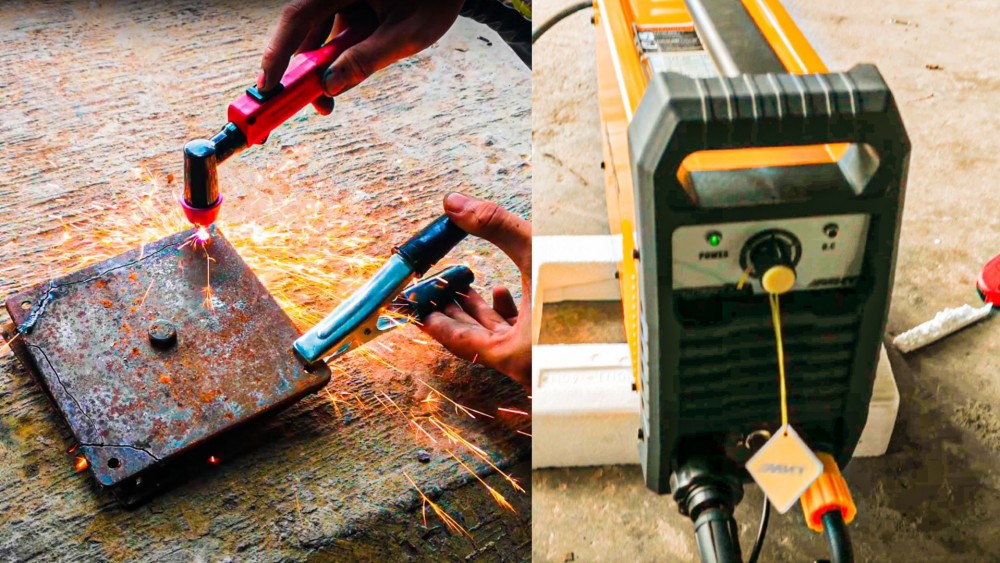
3. Rusted or Painted Materials
The high-energy plasma arc can efficiently cut rusted or painted materials. This process relies on the plasma's extreme temperature, which rapidly melts and removes the rusted surface layer or coating. The heat and pressure from the plasma cause these unwanted surface layers to vaporize or blow away from the cut line without affecting other parts of the workpiece. The piercing capability of plasma also ensures clean and fast cutting through painted surfaces or thick rust layers, making it ideal for repair work on aged materials or recycled materials, such as galvanized steel or deteriorated structural steel. Common rusted or painted materials cut with plasma cutters include:
- Galvanized Steel: Steel coated with zinc to prevent rust, used in construction and the automotive industry.
- Deteriorated structural steel: Steel used in building structures or bridges that often has rust accumulation.
- Painted Steel: Metal parts that have been painted for aesthetics or corrosion protection, such as steel sheets for industrial equipment.
- Recycled steel: Scrap metal being repurposed, typically carrying rust and contaminants.
- Coated Metals: Such as aluminum coated with paint or anti-corrosion agents.
4. Materials of Varying Thicknesses
Material thickness is a crucial factor in plasma cutter selection and challenges the tool's capability for precise, high-efficiency cutting. Therefore, plasma cutters are designed to handle both thin and thick materials to cover a wide range of applications:
- Thin Sheets: Thin materials such as galvanized sheets, aluminum sheets, or thin stainless steel sheets are suitable for high-detail work, including small component manufacturing, art projects, and tasks requiring precision cutting. Plasma cutters produce smooth cut edges and minimize workpiece distortion, even on materials only a few millimeters thick.
- Thick Plates: For high-thickness materials such as thick steel plates or metals used in industrial structures, using a higher-amperage plasma cutter—such as 40A, 60A, or 100A—enables fast and efficient cutting. The high-temperature plasma melts through the metal along the cut path smoothly and penetrates thick materials without affecting the rest of the workpiece.
Selecting a plasma cutter for materials of varying thicknesses requires considering both the output power and the suitability of the cutting torch to achieve the best results for each specific application.
5. Materials That Plasma Cutters Cannot Cut
Generally, non-conductive materials cannot be cut with a plasma cutter because its operation relies on an electrical arc to generate the plasma state that pierces and melts the material. If a material cannot conduct electricity, the current cannot transfer to the workpiece, preventing the plasma from generating enough energy to cut. Furthermore, these materials are often damaged by the heat generated in the process, such as melting or cracking, making them unsuitable for plasma cutting.
Plasma cutters have limitations when it comes to certain types of metals, such as non-conductive metals (e.g., thick metal oxides or electrically insulated coatings), metals with extremely high melting points like tungsten, as well as metals with excessively thick rust or contaminant layers. While plasma can cut most metals efficiently, these specialized materials may require alternative cutting methods, such as laser cutting or waterjet cutting, to achieve the best results for complex or challenging applications.
Conclusion
Plasma cutters can cut a wide variety of electrically conductive metal materials, whether steel, stainless steel, aluminum, copper, brass, or titanium. They can also efficiently cut through rusted or painted materials, but are not suitable for non-conductive materials such as plastic or wood. With their high capability and precision, plasma cutters are popular tools across diverse industries, from DIY projects to heavy industrial applications.
Select Plasma Cutting Equipment More